
RICHMOND—Non-native species are gradually taking over Virginia’s countryside, from agricultural fields to waterways, causing ecological disruption and billions in economic damage.
The Virginia Invasive Species Working Group reports that foreign plants, animals and microorganisms inflict up to $120 billion in losses nationwide annually. Virginia alone suffers more than $1 billion in damage as these invaders harm agricultural crops, grazing lands and forests, block waterways, transmit diseases, and kill trees across both countryside and city areas.
National Invasive Species Awareness Week, running February 23-27, brings attention to these environmental threats and emphasizes prevention strategies, though controlling invasive species requires constant vigilance throughout the year.
“Foreign weeds and bugs battle crops for sunlight, water and nutrients, leading to major reductions in harvest yields and crop quality,” explained Tony Banks, Virginia Farm Bureau Federation senior assistant director of agriculture, development and innovation. “Certain invasive plants poison livestock, while bugs can bring new illnesses to farm animals and poultry. Foreign diseases and pathogens can destroy entire crops and orchards, forcing farmers to switch to different commodities.”
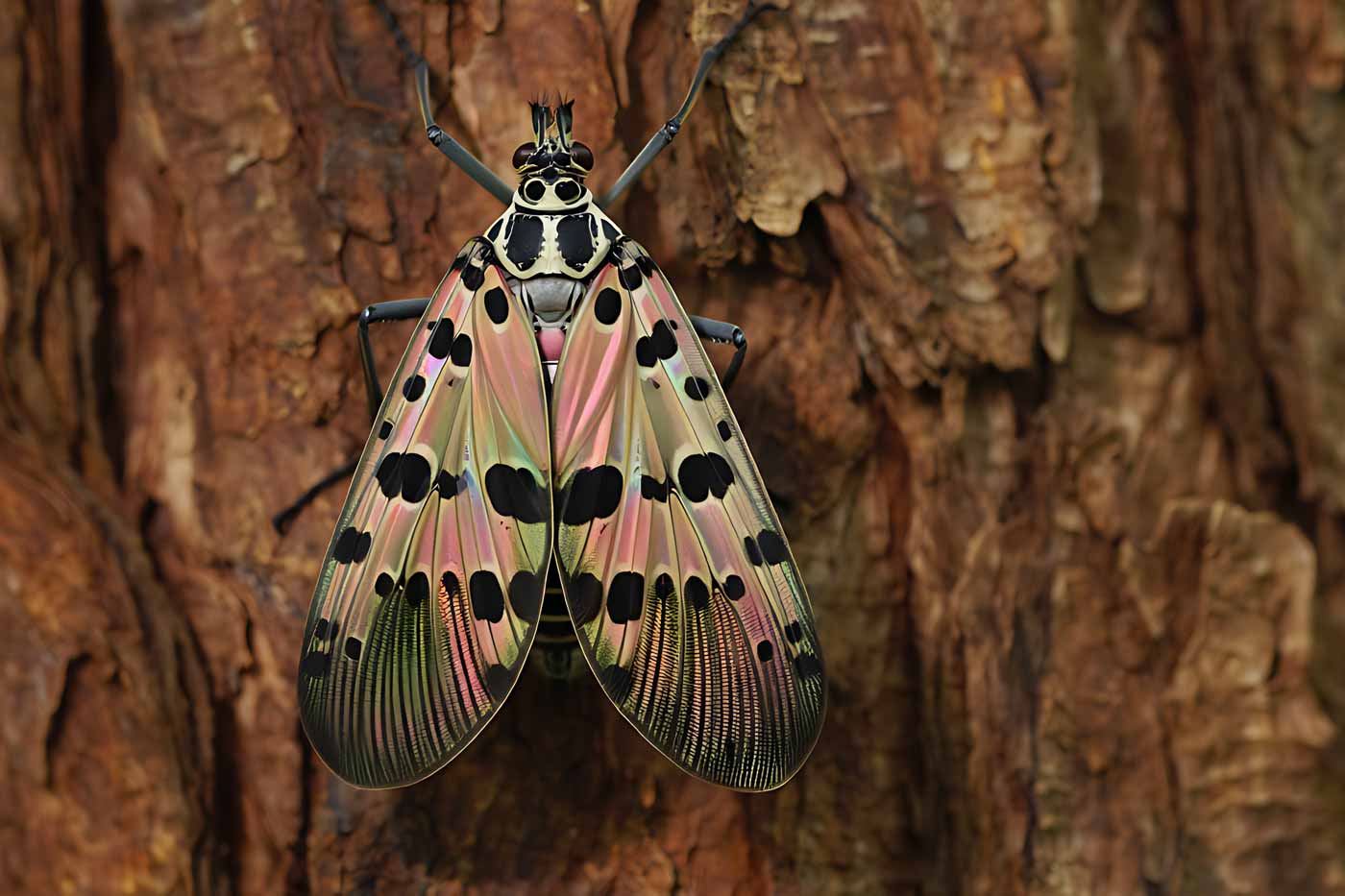
Several problematic invasive pests currently plaguing Virginia include the spotted lanternfly, imported fire ant, and emerald ash borer. These destructive insects impact homeowners, agricultural producers and forest managers by damaging valuable crops such as grapes and stone fruits, creating hazards for farmers, farm animals and machinery in fields, and eliminating thousands of ash trees.
Furthermore, non-native plants including the Callery—also known as Bradford—pear tree, fountain grass, wavyleaf grass and two-horned trapa are overwhelming indigenous plant species and disrupting natural wildlife habitats and food chains.
When identifying possible invasive species, Kevin Heffernan from the Virginia Invasive Species Working Group recommends watching for organisms and plants that “don’t play nice with others.”
“When you see one species dominating an area, it’s probably going to turn out to be invasive,” he said.
To combat the spread, Virginia residents should educate themselves about species currently being monitored and controlled, and report any sightings. Those living in areas with invasive species problems should follow any active quarantines. Exercise care when transporting items such as outdoor furniture, equipment, vehicles, hay, firewood, potted plants, mulch and soil to prevent accidentally introducing invasives to new locations.
Many insects, particularly spotted lanternflies and imported fire ants, travel as stowaways to new territories, and property owners should reach out to their local Extension office for management advice.
Invasive weeds can be manually removed or eliminated with herbicides, and when designing landscaping and spring gardens, homeowners should choose native plant varieties. Beyond supporting biodiversity, indigenous plants are naturally suited to regional climate and soil conditions.
“We like to say, ‘Pull invasive weeds, plant native seeds,’” Heffernan commented.
For additional information about efforts to combat invasive species threatening Virginia, visit invasivespeciesva.org, the Virginia Department of Consumer Services, or contact your local Extension office.