
CATIA LA MAR, Venezuela — Eight days after a series of devastating earthquakes tore through Venezuela, rescue teams held onto a sliver of hope Thursday as smoke from burning wreckage and the odor of decomposing remains hung over the ruins of the northern La Guaira region.
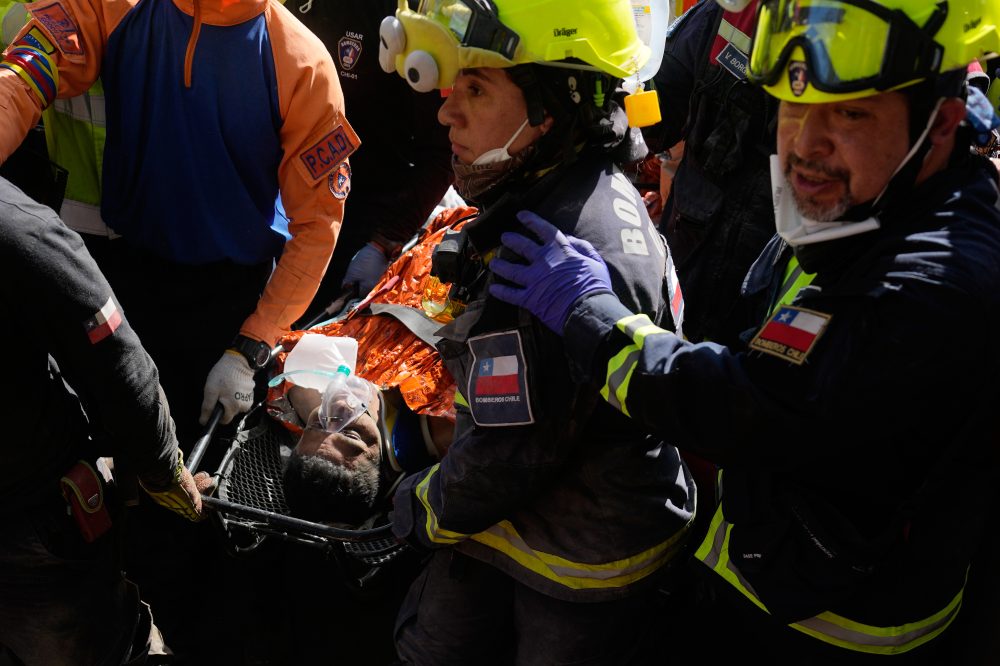
That hope turned into a moment of celebration when rescuers managed to pull a 43-year-old man alive from the debris. Hernán Alberto Gil Flores had been buried beneath the remains of a collapsed shopping mall for nearly eight days, surviving in an air pocket while rescue workers passed him water and food through the rubble.
Teams from across the Americas worked approximately 100 hours to free him. As he was carried out on a stretcher and loaded into an ambulance, crowds gathered nearby erupted in cheers — a brief but powerful moment of relief amid the widespread devastation.
For thousands of others, there was no such outcome.
As of Wednesday, Venezuela’s government reported at least 2,295 people had been killed and more than 11,000 injured. Countless others remain missing, and many survivors are sleeping in overcrowded shelters or out in the open as family members continue searching through the wreckage. Medical workers have raised alarms that the crisis could spiral further, with untreated injuries and the spread of infectious diseases threatening an already fragile healthcare system.
Acting President Delcy Rodríguez has faced sharp criticism from Venezuelans who say the government’s response has been woefully inadequate. Civilian volunteers and international rescue teams have largely taken the lead, overshadowing the official government effort.
The criticism comes at a particularly sensitive time — just one day before the expiration of Rodríguez’s 180-day mandate as acting leader. She had served as deputy to former President Nicolás Maduro before he was removed by the United States in January, at which point she assumed the interim leadership role with the backing of the Trump administration.
Venezuelan officials have provided little transparency about what will happen once that deadline passes Thursday. Under the country’s constitution, a vice president can fill in temporarily for up to 90 days, with the national assembly able to extend that term by an additional 90 days. The National Assembly, which is controlled by Rodríguez’s party, also has the authority to call a snap election if it formally declares the position permanently vacant.
The United States pushed back against critics on Wednesday, reaffirming its support for Rodríguez’s government and noting that roughly 900 American military personnel are currently on the ground assisting with relief and rescue efforts.
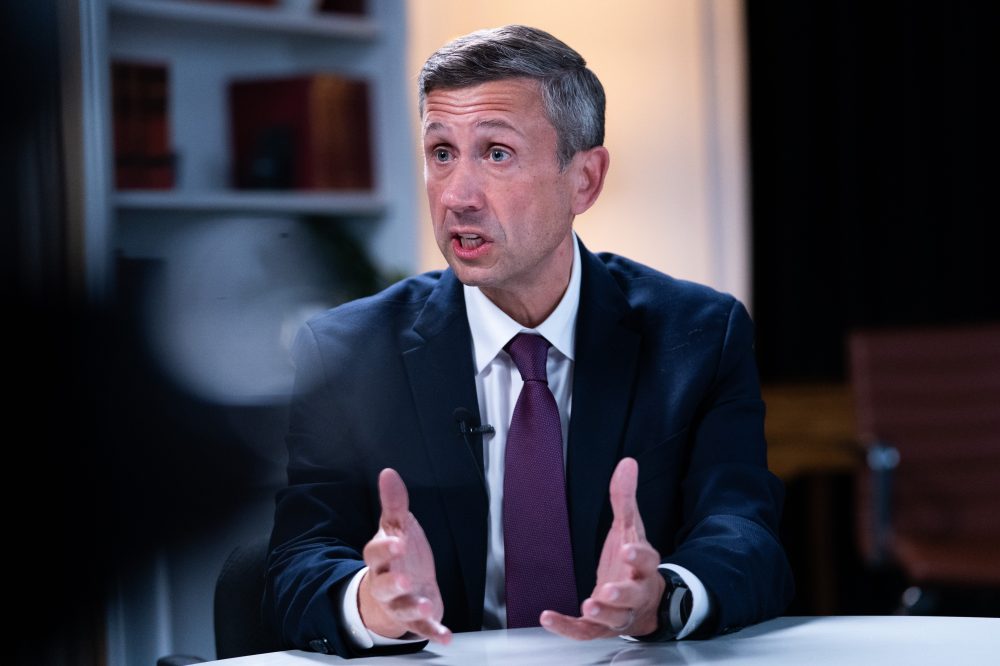
John M. Barrett, the U.S. chargé d’affaires to Venezuela, rejected claims that Rodríguez was using the disaster response for political gain. Speaking on a call with reporters, Barrett said the U.S. effort “does require a high level of coordination with local authorities to be successful.”
“And what I can say with confidence is that the local authorities have fully complied with our requests and have accelerated this massive humanitarian response,” Barrett said.
Gen. Francis Donovan, the head of U.S. Southern Command, also weighed in, saying that “decades of poor investment in the people of Venezuela” had “made this even more challenging for the current government.” He added, “It is a big problem for any leader to deal with a challenge of this magnitude.”