
The United States announced plans late Wednesday to impose a 25% tariff on select imports from Brazil, invoking Section 301 of the Trade Act, according to U.S. Trade Representative Jamieson Greer.
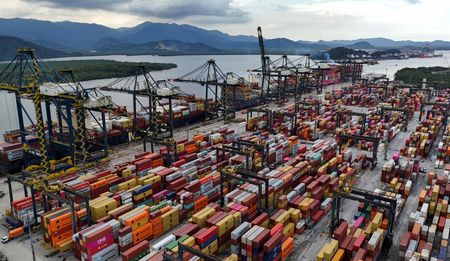
The move comes after a year-long investigation that determined Brazilian policies on digital trade, tariffs, intellectual property, ethanol access, and deforestation place an unfair burden on American commerce, the U.S. Trade Representative’s office stated.
The announcement was not entirely a surprise. Reuters had reported the day before that Brazil was preparing for the new tariffs after months of negotiations that produced little progress, according to three people with knowledge of the situation.
Greer defended the decision, saying, “Today’s action is necessary to address these unfair trade practices to ensure American workers and companies can compete on a level playing field.”
He added that “extensive negotiations with Brazil over the past year have not resolved these issues,” but noted that the United States remains open to continued discussions.
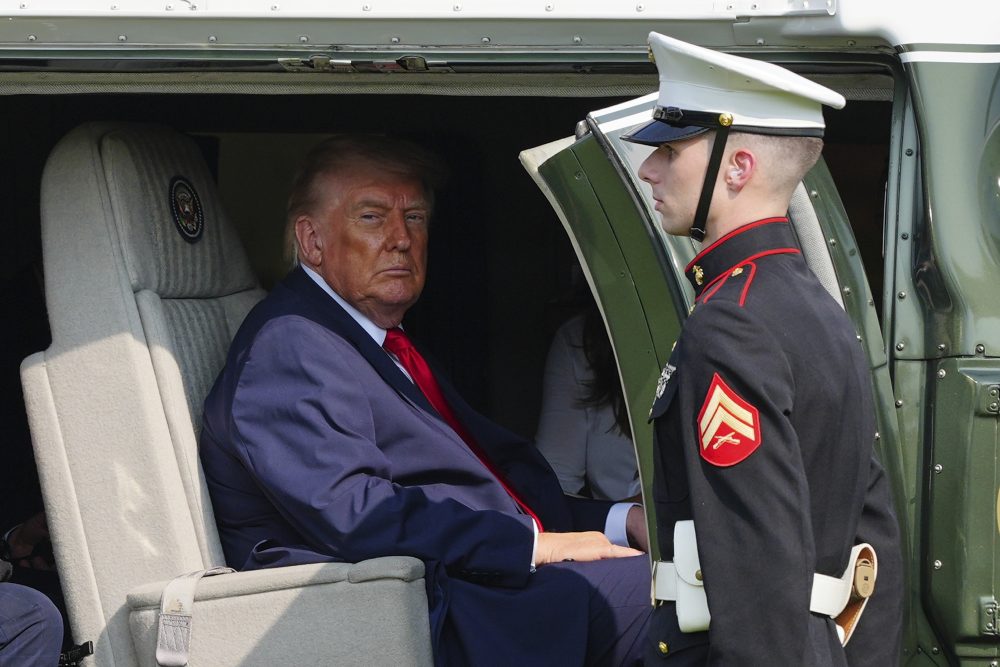
U.S. Secretary of State Marco Rubio was sharply critical of Brazil’s leadership, saying the Brazilian government had “not negotiated with the U.S. in good faith.” Rubio also said Brazil’s President Luiz Inacio Lula da Silva had “put his own ego ahead of making a deal for the welfare of the Brazilian people.”
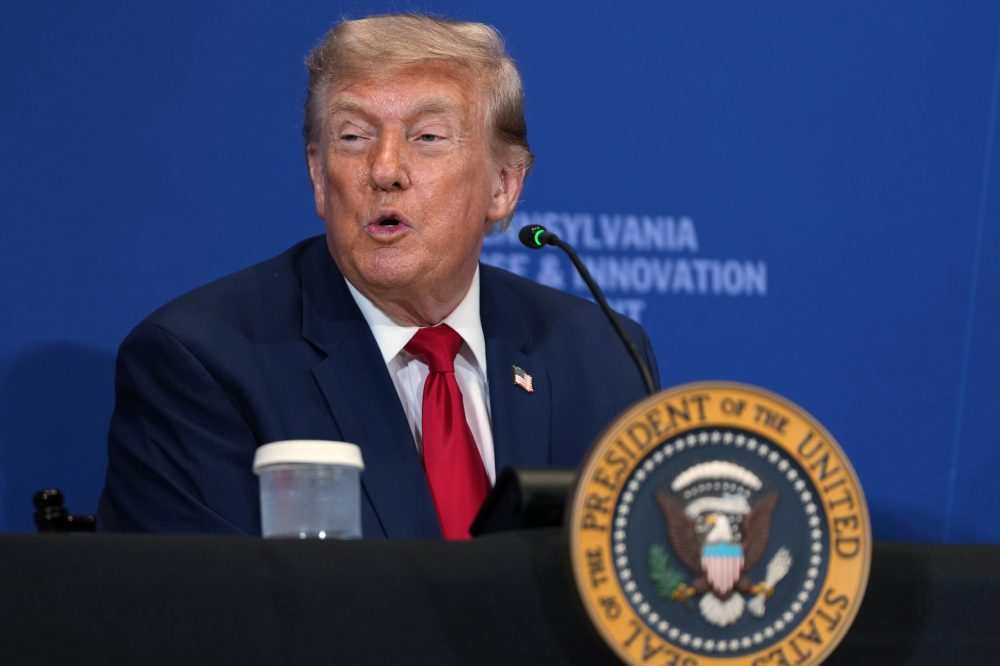
Brazil is the first nation to be targeted under President Donald Trump’s updated tariff approach, which leans on Section 301 of U.S. trade law — a provision that allows the government to investigate and respond to alleged unfair trade practices by foreign countries.