
DUBAI, United Arab Emirates — Both the United States and Iran traded military strikes across the Middle East on Wednesday, with leaders from both countries raising serious doubts about whether diplomacy could prevent the conflict from escalating further out of control.
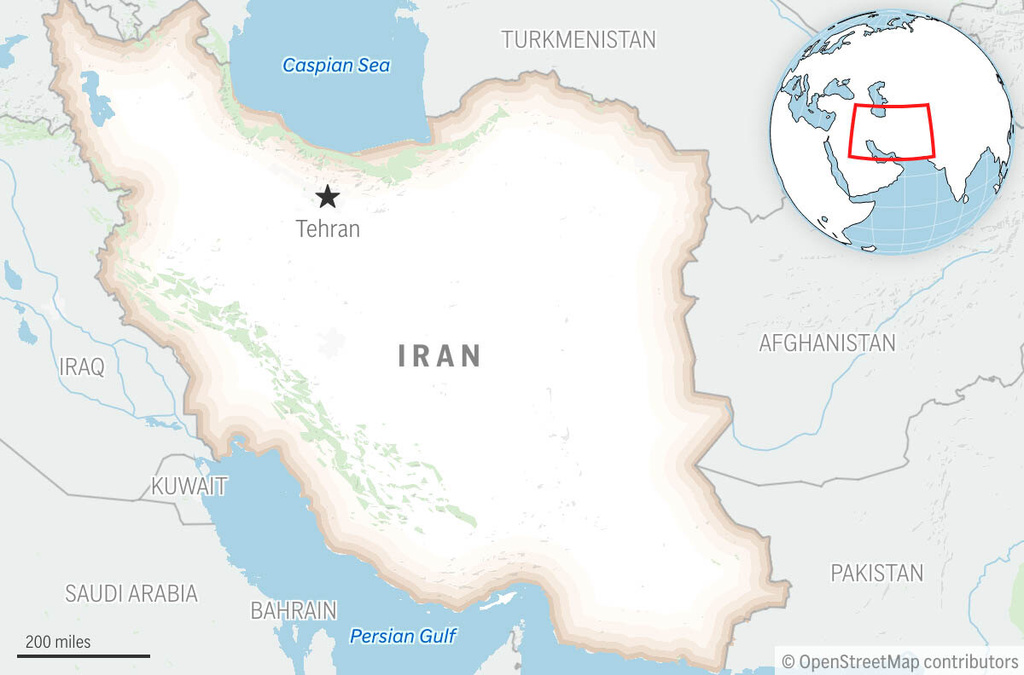
American forces carried out their 11th consecutive night of airstrikes against Iran, hitting targets throughout the country while Iranian air defense systems fired back over the capital city of Tehran. The specific targets of the latest U.S. nighttime strikes were not immediately known.
Iran responded by launching missiles and drones toward Aqaba, a port city in Jordan, once again striking near Israel’s border. The U.S. has been using Israel’s Ben-Gurion International Airport to station refueling aircraft and has positioned fighter jets at bases within the country. Iran has so far avoided directly striking Israel, apparently wary of drawing the Israeli military into the fight.
Missile alert sirens were triggered in Bahrain, and Saudi Arabia issued warnings urging residents of the Persian Gulf city of Dammam to take shelter — part of a pattern of Iran targeting Gulf nations in response to U.S. airstrikes. Saudi officials later lifted the alert in Dammam, saying the threat had passed, though they provided no additional details.
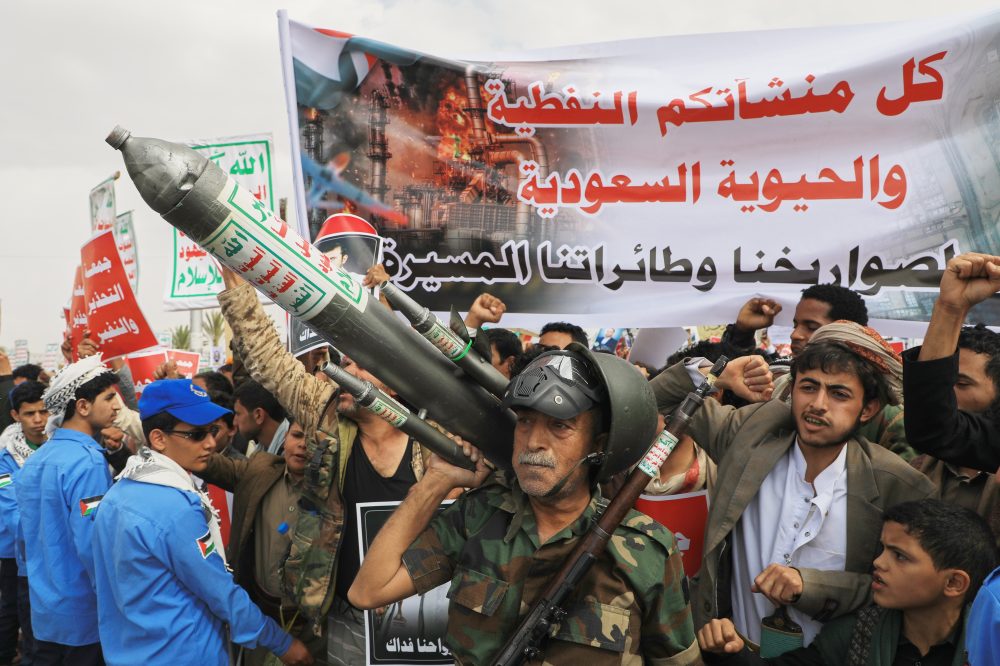
Meanwhile, commercial shipping through the Strait of Hormuz has ground nearly to a halt. In normal times, roughly one-fifth of all globally traded oil and natural gas flows through this narrow passage at the mouth of the Persian Gulf. Iran’s attacks on vessels in that waterway set off the current round of hostilities, and Iranian-backed Houthi rebels in Yemen are now also threatening Saudi oil tankers in the Red Sea.
The ongoing disruption pushed benchmark Brent crude oil prices above $94 per barrel, squeezing global energy supplies and pushing gasoline prices higher in the United States ahead of this fall’s midterm elections.
Strikes Rattle Iran and Jordan
Air raid sirens blared Wednesday in Aqaba as Iran launched its attack on the Jordanian port city. Jordan’s military said it intercepted four incoming Iranian missiles, while two others landed in areas without residents. Videos shot by people in the nearby Israeli city of Eilat showed plumes of smoke rising over Aqaba. Jordan also reported shooting down four Iranian drones.
The U.S. military confirmed it had finished its 11th night of strikes against Iran. Iran’s state media outlet IRNA reported that explosions were heard across the provinces of Bushehr, East Azerbaijan, Hamadan, Hormozgan, Ilam, Khuzestan, and Sistan and Baluchistan. American officials said the strikes targeted aircraft hangars and facilities used to store drones.
Iran’s paramilitary Revolutionary Guard vowed that the country’s retaliatory strikes would not stop.
Before the most recent wave of attacks, Iranian Interior Minister Eskandar Momeni traveled to Pakistan — which has been acting as a key go-between in the conflict — in an effort to restart peace talks. However, it remained unclear what kind of agreement could be reached to bring the war to an end, particularly as the fight has increasingly become a struggle over who controls the Strait of Hormuz.
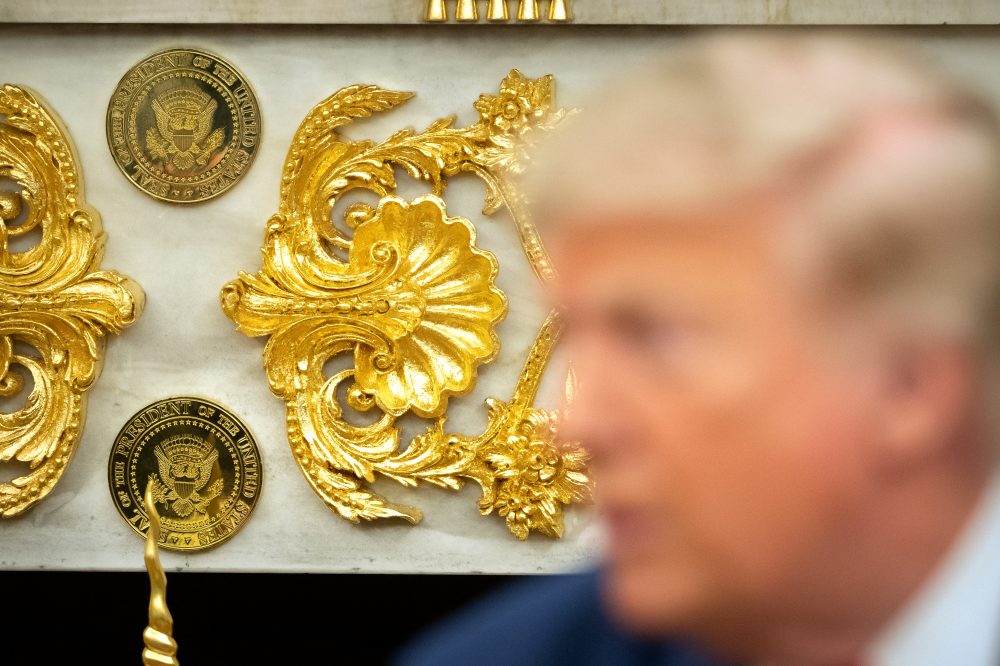
Speaking from the Oval Office on Tuesday, Trump expressed little optimism about negotiations, saying the U.S. had “no interest in meeting.” He also hinted that American forces could soon strike an area of Iran near one of its major uranium enrichment sites.
At a regional summit taking place in the Philippines, U.S. Secretary of State Marco Rubio sharply criticized Iran’s conduct in the strait.
“If we create a precedent in the Middle East where a nation state can decide that they are going to control an international waterway, charge a toll and if you don’t pay them, blow up your ships, we have created a very dangerous precedent which will repeat itself in other parts of the world, including in this region,” Rubio said.
In response to Iran’s ongoing attacks, the U.S. has reinstated a blockade of Iranian ports, turning away ships that are carrying Iranian oil.