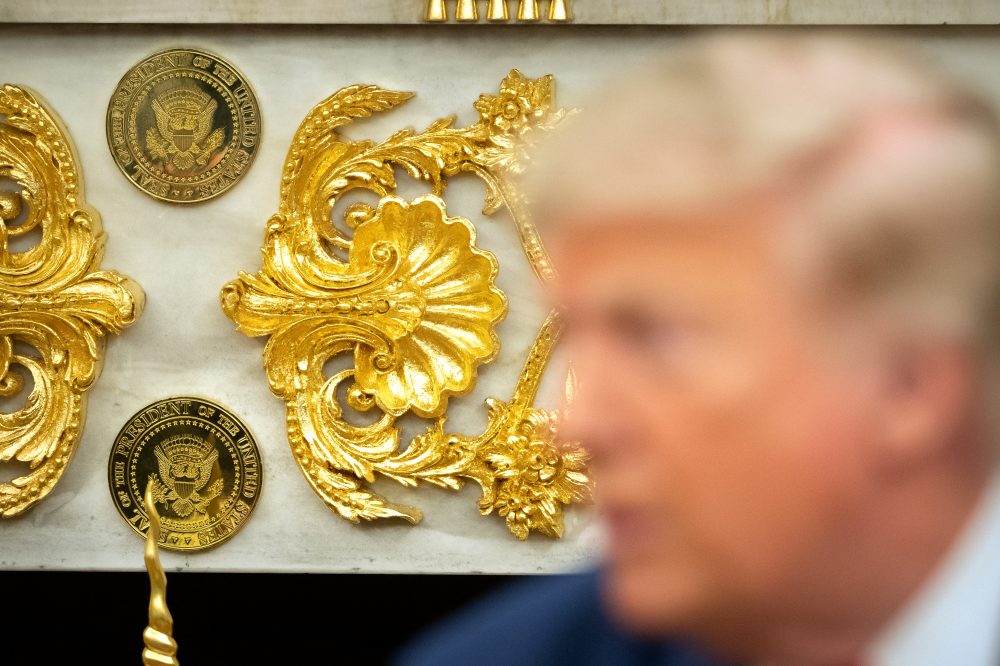

American and Iranian forces traded strikes across the Middle East on Wednesday, further dimming hopes for a diplomatic resolution as efforts to restore a collapsed interim ceasefire deal faltered.
President Trump is set to travel to Dover Air Force Base to participate in the dignified transfer of four U.S. service members killed in action — a solemn ceremony the president has now attended three times since launching the conflict with Iran in February. The White House confirmed his attendance at the transfer, which is among the most somber responsibilities a commander-in-chief carries.
According to an administration official who spoke anonymously because they were not authorized to discuss the matter publicly, two Army soldiers killed in Iranian missile and drone attacks in Jordan will be among those returned. The remains of a third service member — believed to be the soldier reported missing after the Jordan attacks — will also be brought home, along with a soldier killed in Iraq during the detonation of an Iranian drone.
On Capitol Hill, Defense Secretary Pete Hegseth faced sharp questioning and repeated protests during a Senate Appropriations Committee hearing Tuesday. He told lawmakers the war has now cost an estimated $37.5 billion — a figure higher than previous assessments. The hearing came just days after the Pentagon announced three additional American deaths, pushing the total death toll to 17, with more than 100 service members injured since early July.
Republicans are now pushing a $95 billion package that would fund military operations, provide money for farmers, and include voting restrictions. Hegseth called the supplemental war funding an “urgent, necessary” infusion of resources, describing President Trump’s proposed $1.5 trillion defense budget as a generational investment in the armed forces. “Without these funds, we face critical shortfalls,” Hegseth testified. Both Democrats and Republicans pressed Hegseth on whether the administration has an exit strategy for the conflict.
On the battlefield, the U.S. carried out its 11th consecutive night of airstrikes against Iran, targeting locations across the country as anti-aircraft fire lit up the skies over Tehran. The specific targets of the strikes were not immediately known. Iran responded by launching missiles and drones at the Jordanian port city of Aqaba. U.S. forces have been operating out of Israel’s Ben-Gurion International Airport, though Iran has so far avoided directly striking Israeli territory, apparently wary of drawing the Israeli military into the fight.
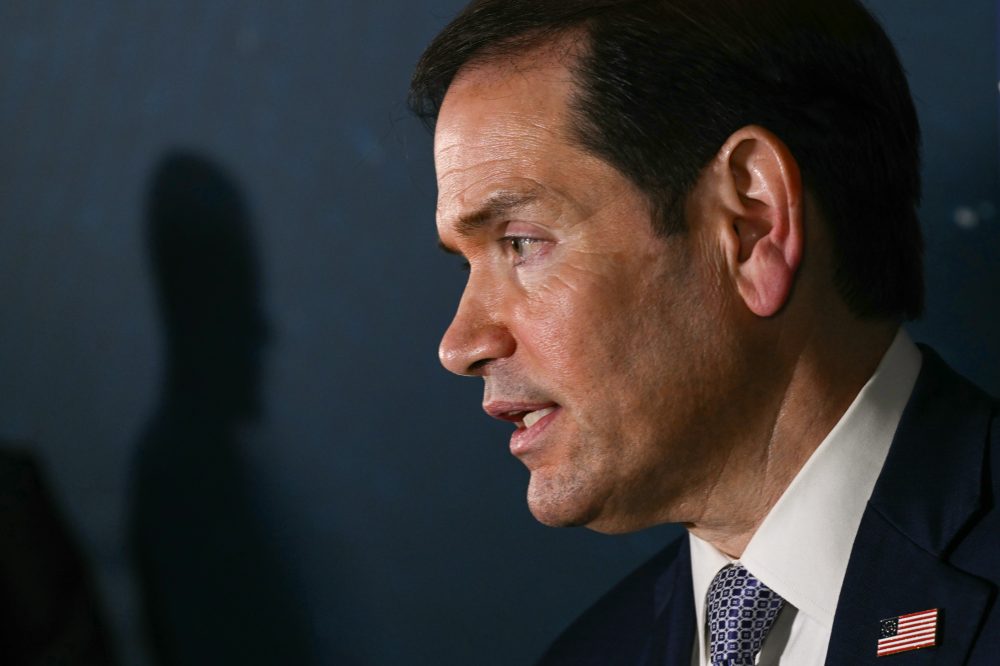
Secretary of State Marco Rubio addressed the situation Wednesday at an annual gathering of the Association of Southeast Asian Nations in Manila, the Philippine capital. He warned regional leaders that Iran’s push to control and collect tolls in the Strait of Hormuz poses a serious threat to the global economy and could set a dangerous precedent for other strategic waterways. Rubio also renewed accusations that Iran had broken commitments under a failed peace agreement, and said Iran had been reaching out to Washington “both directly and indirectly” seeking talks, though he gave no sign the U.S. was prepared to re-engage in peace negotiations.
Separately, President Trump is scheduled to speak at a Georgia high school Wednesday to promote his “Trump Accounts” initiative — tax-advantaged investment accounts offering $1,000 in seed money to every child born during his second term. The accounts, created through the One Big Beautiful Bill signed last year, went live on July 4th. The Treasury Department reports 6.5 million sign-ups so far, with 1.5 million of those qualifying for the seed funding for babies born between 2025 and 2028. The accounts are open to any child under 18. Some parents, however, say they are still waiting for the money to be deposited.