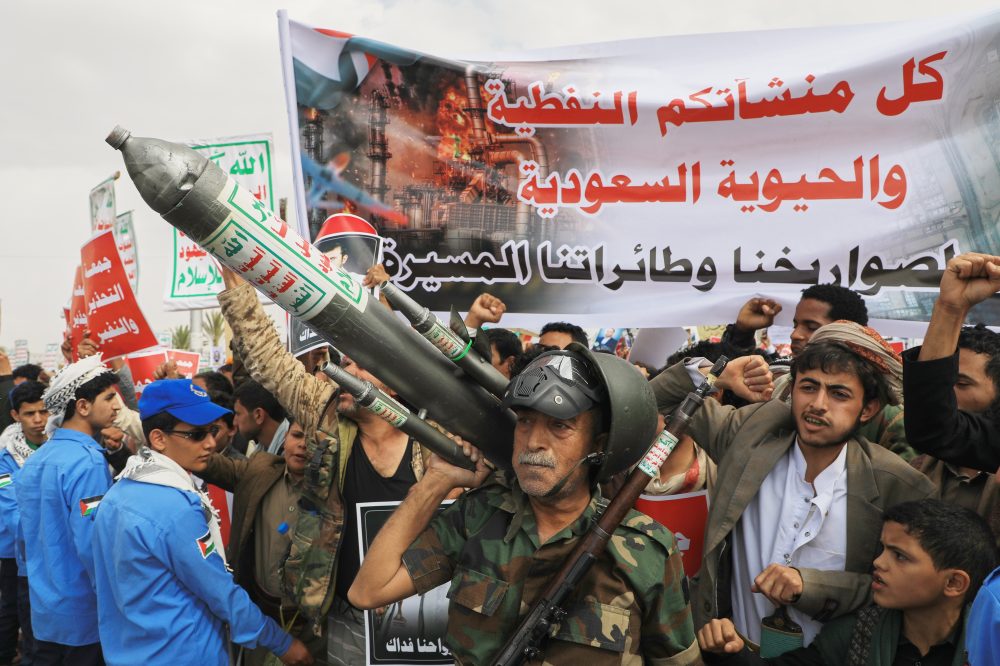

ISLAMABAD — Both the United States and Pakistan have spoken out against Yemen’s Houthi rebel group following its announcement of a naval blockade targeting Saudi Arabia, a move that is raising alarms about the safety of commercial shipping in the Red Sea.
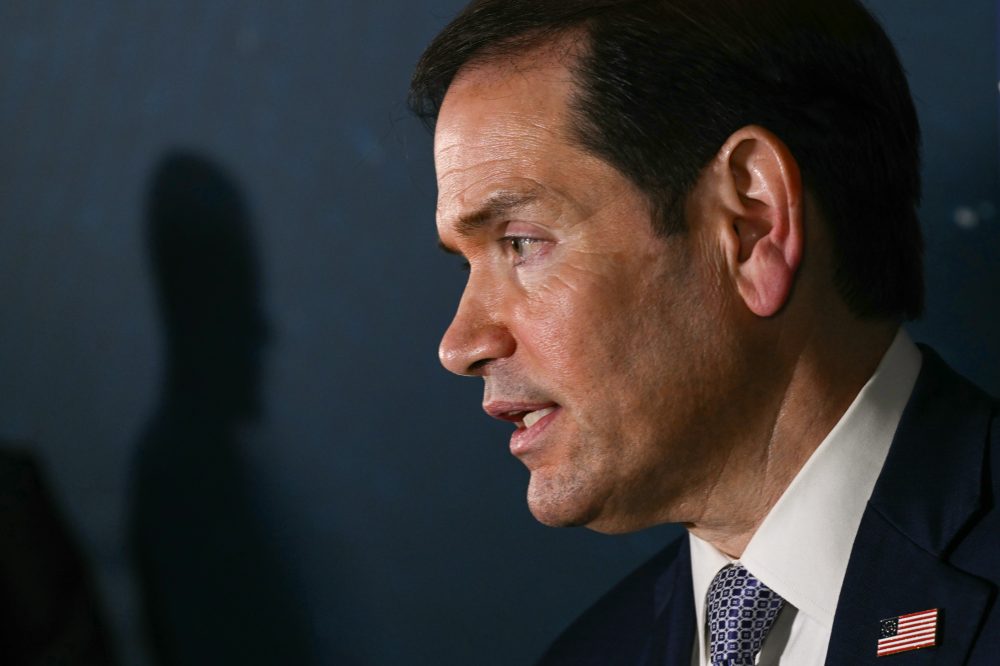
U.S. Secretary of State Marco Rubio pointed the finger at Iran for the Houthi blockade, though he expressed hope that the situation could be brought under control. The Houthis receive weapons and significant backing from Iran, but operate independently from Iran’s supreme leader — a distinction that sets them apart from groups like the Lebanese militant organization Hezbollah and various Iran-backed militias in Iraq.
Speaking on the sidelines of a regional summit in the Philippines, Rubio drew a comparison to another critical waterway. “Anything that restricts shipping through the Red Sea would be problematic for the same reasons that the Strait of Hormuz is problematic,” he said. Rubio added that the U.S. has been keeping a close watch on developments and has reached out to Saudi Arabia multiple times over the past week regarding the threats.
The Strait of Hormuz, which carries roughly one-fifth of the world’s oil supply during peacetime, has been fully or partially shut down since a war in Iran began on February 28, following U.S. and Israeli military strikes.
Rubio described Iran as the central troublemaker in the region. “It’s not a new threat, but it’s one that’s manifested itself in the past, but at the gist of that issue is the fact that, again, Iran is in the middle of it. Talking about the troublemaker in the region, it’s Iran,” he said.
Pakistan’s government also weighed in Wednesday, issuing a formal condemnation of the Houthi threats and declaring them a violation of established international law principles.
The Houthis escalated tensions by announcing the blockade of Saudi Arabia, putting global oil supplies and trade at risk. With the Strait of Hormuz currently blocked, Saudi Arabia has been depending on a pipeline that routes oil to the Red Sea to move millions of barrels to market.
Three Houthi officials, speaking anonymously because they were not authorized to talk to the press, said the group issued warnings to international shipping companies on Monday, telling them to stay away from the Bab el-Mandeb Strait — the entry point to the Red Sea on the far side of the Arabian Peninsula from the Strait of Hormuz.
A Houthi-run Yemeni news outlet, SABA, reported Tuesday that six ships in the Red Sea were forced to change course after receiving warnings from the rebel group. The Associated Press was unable to immediately verify the claim, though vessel tracking data from MarineTraffic.com indicated at least three tankers appeared to reverse direction on Tuesday.
Pakistan’s Foreign Ministry issued a stark warning Wednesday, stating that the Houthi actions “threaten regional security, undermine freedom of navigation, challenge the rules-based maritime order and jeopardize uninterrupted flow of global commerce.”
The ministry, based in Islamabad, said Pakistan was “particularly concerned by reports of threats directed against vessels engaged in lawful commercial trade with the Kingdom.” It further cautioned that “any hostile act against Pakistani-flagged vessels or Pakistani maritime interests will be regarded as a grave threat to Pakistan’s national security and sovereign interests.”
Pakistan and Saudi Arabia share a long-standing alliance, with the kingdom serving as one of Pakistan’s primary oil suppliers. The two nations signed a mutual defense agreement last year, declaring that an attack on one would be treated as an attack on both — a pact that came in the wake of Israeli strikes on the neighboring Gulf state of Qatar. Pakistan has also consistently condemned Iranian military actions against Arab nations, including Saudi Arabia.
Pakistan played a key role in brokering a temporary peace agreement between the U.S. and Iran in June and is currently working to mediate between the two sides after hostilities resumed earlier this month.
Defense ties between Pakistan and Saudi Arabia stretch back decades, rooted in part in Pakistan’s longstanding commitment to help protect Islam’s holiest sites — Mecca and Medina — located within the kingdom. Pakistani military forces were first stationed in Saudi Arabia in the late 1960s amid concerns stemming from the Yemen conflict involving Egypt at the time.