
Pakistani officials confirmed Thursday that diplomatic representatives are engaged in peace negotiations with Afghanistan’s Taliban leadership in China, where Beijing is working to facilitate a lasting ceasefire following weeks of deadly border conflicts that have claimed hundreds of lives and severely impacted regional commerce and cross-border movement.
The acknowledgment of these renewed diplomatic efforts came one day after sources from both nations informed The Associated Press that delegations had traveled to Urumqi in northern China for initial discussions.
The specific identities of those representing Pakistan and Afghanistan in these latest Chinese-hosted negotiations remain undisclosed.
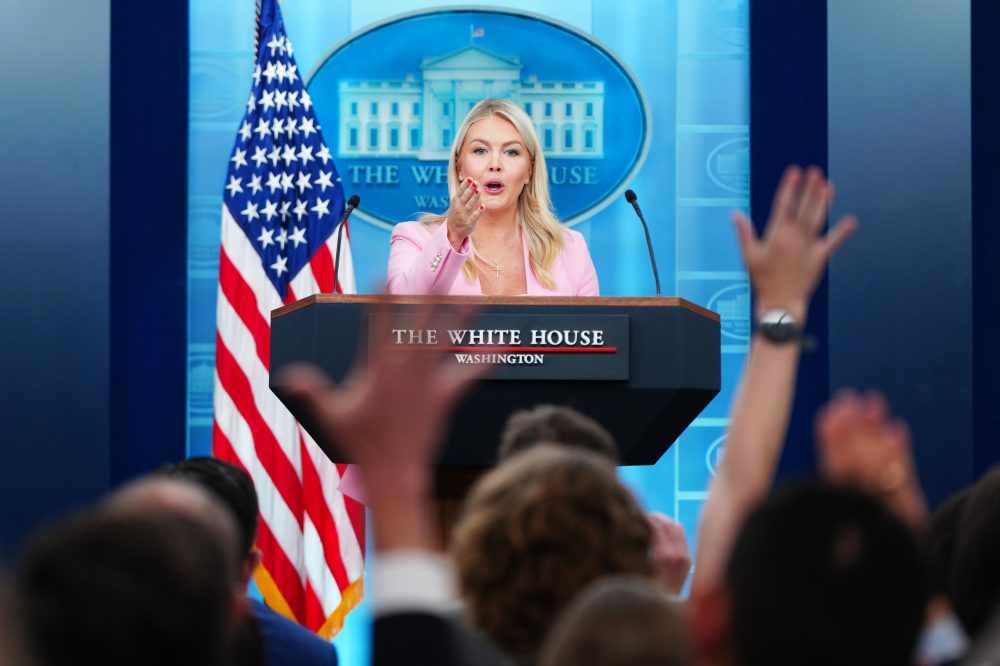
During a news conference in Islamabad, Pakistan’s Foreign Ministry spokesperson Tahir Andrabi confirmed the ongoing nature of the discussions. “Yes, Pakistan has sent a delegation to Urumqi, in line with its consistent position and longstanding practice of supporting a credible process that can help find a durable solution to cross-border terrorism from Afghanistan,” he stated.
Andrabi emphasized that the responsibility for meaningful progress rests primarily with Kabul.
“The burden of a real process lies with Afghanistan, which must demonstrate visible and verifiable action against terrorist groups using Afghan soil against Pakistan,” he declared.
The spokesperson stressed Pakistan’s commitment to diplomatic solutions while outlining specific demands. “We remain engaged with the Chinese leadership on this issue and other relevant international partners,” Andrabi noted, while insisting that Pakistan requires written guarantees from Kabul preventing the use of Afghan territory for attacks against Pakistan.
Afghan officials have not yet responded to requests for comment.
While China has not formally acknowledged hosting the talks, the Chinese Foreign Ministry stated Thursday that President Xi Jinping’s administration has been “actively mediating and facilitating the resolution of conflicts between Afghanistan and Pakistan.” Foreign Ministry spokesperson Mao Ning emphasized that China has “always supported both sides in resolving their differences through dialogue and negotiation.”
Andrabi indicated that Pakistan’s military operations targeting the Pakistani Taliban and other militant organizations along the Afghan border will persist despite the diplomatic discussions.
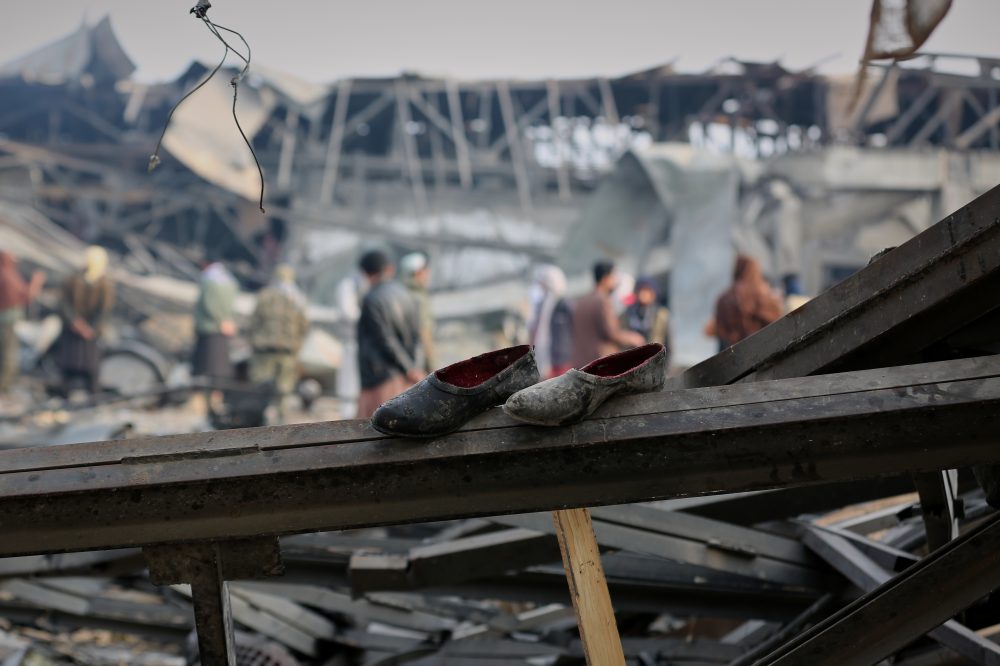
On Wednesday, Farid Dehqan, a police spokesperson for Afghanistan’s eastern Kunar province, reported that Pakistani forces had launched mortar attacks into Afghan territory late Wednesday, resulting in two civilian deaths and six injuries, including four children. He noted the bombardment continued for over two hours.
Andrabi rejected these allegations, asserting that Pakistan conducts anti-militant operations with careful consideration to prevent civilian casualties.
Pakistan frequently alleges that Afghanistan provides sanctuary to militants conducting attacks within Pakistani territory, particularly the Pakistani Taliban, known as Tehrik-e-Taliban Pakistan or TTP. This organization operates separately from but maintains ties with the Afghan Taliban, which assumed control of Afghanistan in 2021 after the turbulent departure of U.S.-led forces. Kabul consistently denies these allegations.
The current violence represents the most severe fighting since February, when Afghanistan’s Taliban government reported Pakistani strikes in Kabul and other locations, primarily causing civilian casualties. Pakistan maintained it targeted TTP strongholds.
Pakistani officials have declared the country is in “open war” with Afghanistan.
Tensions escalated significantly last month when Afghanistan claimed a Pakistani airstrike on a drug treatment facility in Kabul killed over 400 people. This death toll remains unverified independently, and Pakistan disputes the claim. Pakistani officials denied targeting civilians, stating they struck an ammunition storage facility in Kabul.
These current Chinese-mediated discussions follow previous negotiation rounds in Qatar and Turkey, where both parties reached ceasefire agreements that remained largely effective until Pakistan conducted strikes in Kabul and other Afghan locations in late February, sparking border conflicts that have recently diminished.
Pakistan and the Afghan Taliban maintain a history of strained relations, but the current violence has concerned the international community, particularly given the regional presence of various militant groups including the outlawed TTP, al-Qaida, and the Islamic State group, which continue efforts to reorganize.