
PARIS — The world’s most visited museum has selected a new leader following months of mounting pressure and institutional turmoil.
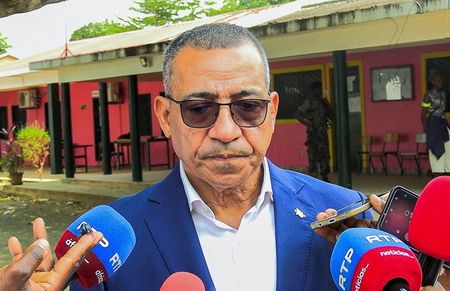
Officials announced Wednesday that Christophe Leribault will take the helm of the Louvre Museum, just hours after former director Laurence des Cars stepped down from her position. The administrative upheaval follows a devastating crown jewels theft in October valued at $102 million, along with numerous operational failures that have shaken public trust in France’s premier cultural institution.
The swift transition aims to bring stability to a museum plagued by an unprecedented series of problems: the massive theft, worker strikes, structural water damage, deteriorating facilities, and allegations of a suspected decade-long ticketing scam worth $12 million.
The directorial change also safeguards a politically significant initiative for French President Emmanuel Macron, who has positioned the Louvre’s comprehensive renovation as a cornerstone cultural achievement as his presidency nears its conclusion next year.
Government officials have positioned Leribault as the stabilizing force needed for the troubled institution, tasking him with overseeing both security improvements and comprehensive modernization efforts.
Leribault brings extensive credentials as an 18th-century art expert who received his education at the École du Louvre. His career includes leadership roles at France’s most prominent cultural institutions, such as the Petit Palais and the Musée d’Orsay.
Most recently, he managed operations at Versailles, one of France’s largest heritage destinations, handling substantial visitor volumes and overseeing an annual operating budget of approximately $200 million.
His professional background positions him as an ideal candidate for this crisis period: an experienced curator and administrator well-versed in France’s museum infrastructure and accustomed to public attention, massive crowds, and the complexities of state-run cultural operations.
Des Cars held special significance beyond typical museum leadership. Her 2021 appointment marked a historic milestone as the first female director in the Louvre’s history — representing a meaningful shift at a palace originally constructed for monarchs.
Many within France’s cultural community viewed her departure as finally addressing questions that had persisted since the theft: how could such a significant security failure occur at one of the nation’s most important cultural symbols without senior leadership being held accountable?
Macron’s administration characterized her resignation as “an act of responsibility,” while emphasizing the museum’s need for stability and renewed energy for security and modernization initiatives.
In a Tuesday interview with Le Figaro, des Cars explained that she had become a focal point for criticism and could no longer effectively lead the museum’s transformation under the current institutional circumstances.
While the $102 million jewelry heist served as the catalyst, it represented only part of a broader pattern of institutional challenges.
Worker unrest, water damage, aging infrastructure, and a separate ticketing fraud investigation had already created an impression that the famous institution was losing control of fundamental operations.
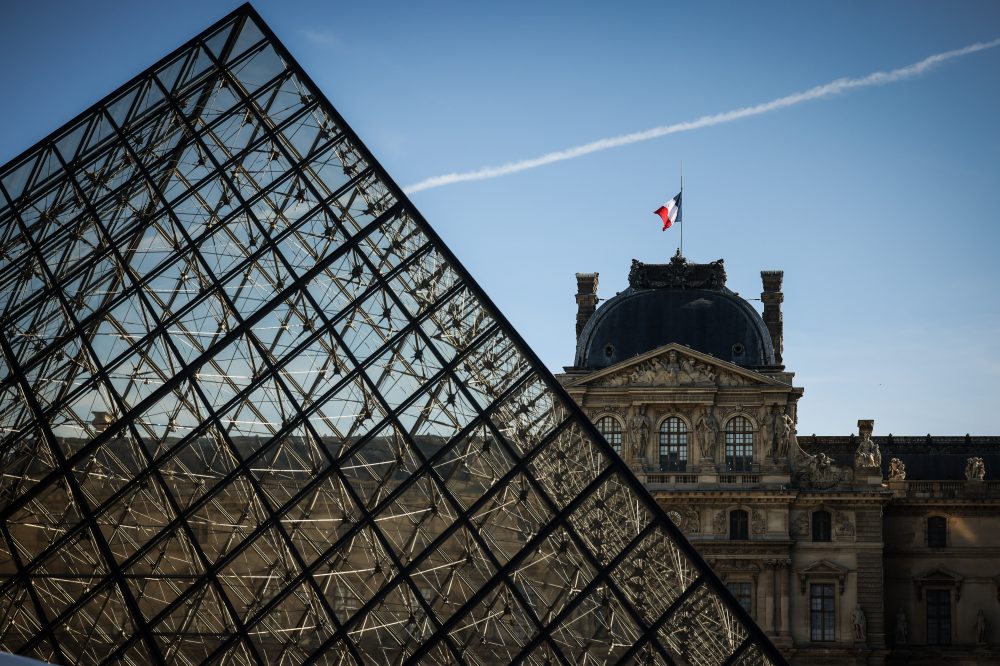
A spontaneous employee strike in June left tourists stranded outside the iconic glass pyramid entrance, revealing staff frustrations over excessive crowding, insufficient personnel, and poor working conditions.
In a rare media appearance with The Associated Press just days before des Cars’ resignation, the museum’s second-in-command, general administrator Kim Pham, described fraud at an institution of this magnitude as “statistically inevitable,” while acknowledging operational deficiencies and confirming that oversight measures had been strengthened.
Pham highlighted the facility’s enormous scope: 86,000 square meters of space, 35,000 artworks on public display, and approximately 9 million annual visitors.
Museum officials and others in France’s cultural sector privately acknowledge a more fundamental reality: historic stone structures inevitably develop leaks.
The Louvre represents this challenge on an enormous scale — a medieval-to-contemporary palace complex situated in the heart of a bustling capital city, rather than an isolated facility on the periphery.
Pham articulated this challenge more diplomatically, characterizing the Louvre as a historic structure with “many historical layers” spanning back to the early 13th century.
The museum’s central Paris location creates additional pressures from tourism, traffic, numerous entry points, and constant wear from serving simultaneously as both historical monument and mass tourist destination.
As Macron approaches the conclusion of his presidency — his final term expires next year — the Louvre renovation has emerged as his defining cultural legacy project, comparable to the major museum and monument initiatives that often define French presidential legacies.
He unveiled the “Louvre New Renaissance” initiative in January 2025, a project now projected to cost approximately $1.36 billion, according to French government auditors.
The plan encompasses a new entrance adjacent to the Seine River, expanded underground facilities, and a dedicated “Mona Lisa” gallery with scheduled access to reduce crowding around the famous painting and improve visitor circulation.
French presidents traditionally become associated with significant cultural projects — Pompidou with the Centre Pompidou, Mitterrand with the national library, Chirac with the Quai Branly museum.
The Louvre renovation represents Macron’s contribution to this presidential tradition.
This connection explains why some cultural observers openly questioned why des Cars didn’t depart immediately in October following the heist, despite reportedly offering her resignation: Macron had invested so heavily in the Louvre initiative that an immediate leadership departure risked creating an impression that his primary cultural project was failing.
The central issue remains security implementation, and progress has been insufficient and too slow.
French government auditor reports indicate the Louvre’s security improvements won’t be finished until 2032, according to French media coverage, with shockingly fewer than 40% of museum galleries currently equipped with surveillance cameras.
Some tangible improvements have been implemented since the theft occurred.
Additional security measures, including intrusion detection systems and vehicle barriers, were installed by late 2025.
Des Cars also informed legislators in November that the Louvre would deploy 100 exterior cameras by the end of 2026 and enhance coordination with law enforcement, including establishing an advanced police station within the Louvre complex.