
WASHINGTON — A federal judge ruled Thursday that the Defense Department continues to defy his previous court order requiring the restoration of journalist access to the Pentagon.
U.S. District Judge Paul Friedman previously supported The New York Times this month when he determined that the Pentagon’s updated credentialing rules infringed upon reporters’ First Amendment free speech rights and constitutional due process protections. Friedman again backed the Times’ position, finding that Pentagon officials attempted to circumvent his ruling by implementing new regulations that effectively ban all journalists from the facility without mandatory escort supervision.
“The department simply cannot reinstate an unlawful policy under the guise of taking ‘new’ action and expect the court to look the other way,” Friedman wrote.
Friedman’s original ruling required Pentagon leadership to restore press credentials for seven Times journalists and emphasized that his decision covers “all regulated parties.”
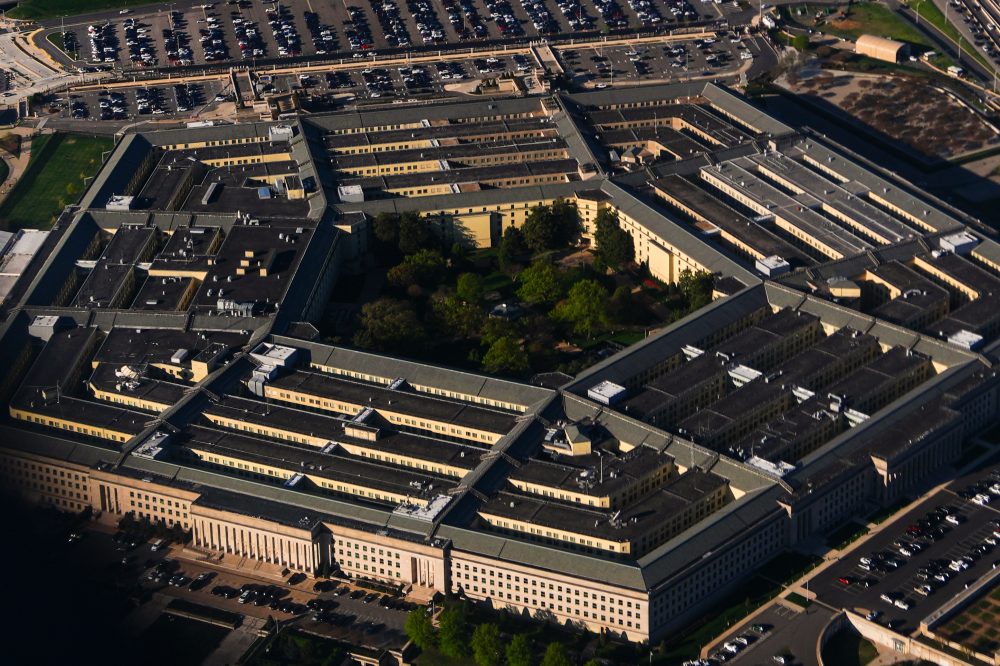
Pentagon representatives did not immediately provide comment when contacted. The Pentagon facility functions as the central command center for American military operations.
Last October, journalists from major news organizations departed the building rather than accept the new requirements. The Times filed a lawsuit against the Pentagon and Defense Secretary Pete Hegseth in December challenging the policy changes.
Legal representatives for the Times claimed the Pentagon violated both “the letter and spirit” of the judge’s March 20 ruling through its modified policy. The newspaper also alleged that Pentagon officials were attempting to establish unprecedented guidelines controlling when journalists may grant anonymity to their sources.
Friedman stated that the access currently provided to credential holders “is not even close to as meaningful as the broad access” they previously enjoyed.
Government attorneys argued that the Pentagon’s updated policy completely follows the judge’s instructions. Pentagon spokesperson Sean Parnell previously announced the administration’s intention to appeal Friedman’s March 20 ruling.
The Pentagon Press Association, which represents AP journalists, stated that the Pentagon’s temporary policy maintains elements that Friedman ruled unconstitutional while introducing additional limitations on credentialed reporters.
“In effect, Plaintiffs ask this Court to expand the Order to prohibit the Department from ever addressing the security of the Pentagon through a press credentialing policy with conditions that may address similar topics or concerns as the enjoined conditions. The Order does not say that, and this Court should not read it to say that,” Justice Department attorneys wrote.
The existing Pentagon press corps consists primarily of conservative media organizations that accepted the policy changes. Reporters from outlets that rejected the new requirements, including The Associated Press, have maintained their military coverage from locations outside the Pentagon.
Friedman, who received his judicial appointment from Democratic President Bill Clinton, referenced recent U.S. military actions in Venezuela and Iran as examples highlighting the importance of public access to government information.
“Those who drafted the First Amendment believed that the nation’s security requires a free press and an informed people and that such security is endangered by governmental suppression of political speech. That principle has preserved the nation’s security for almost 250 years. It must not be abandoned now,” the judge wrote.
Friedman concluded that the disputed policy clearly aims to eliminate “disfavored journalists” and substitute them with those who are “on board and willing to serve” the administration.
“That,” he wrote, “is viewpoint discrimination, full stop.”