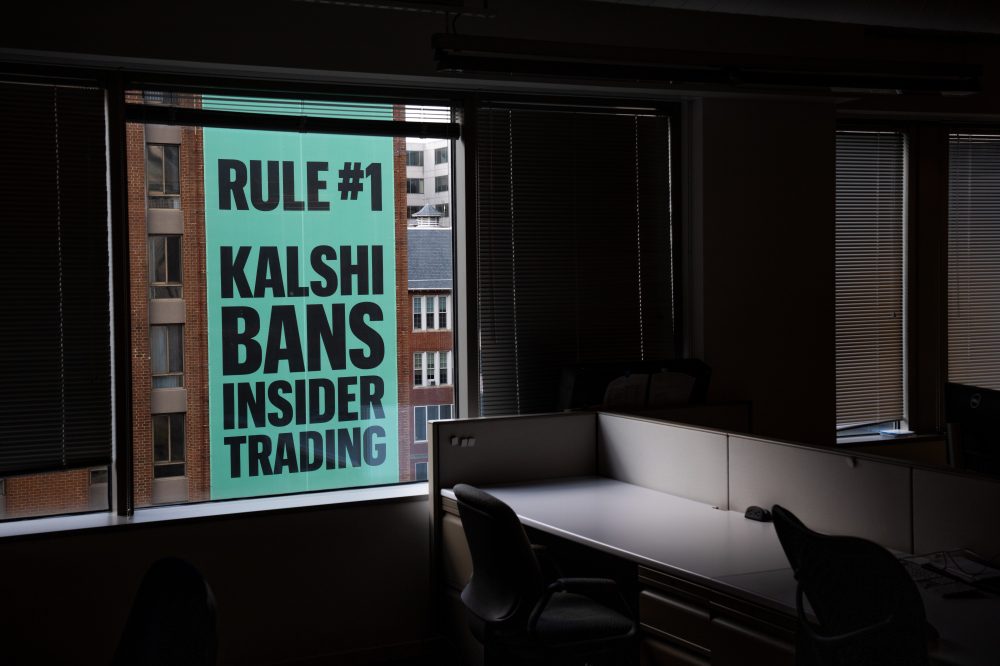

PHOENIX — A federal court has refused to block Arizona prosecutors from pursuing criminal charges against prediction market company Kalshi, which stands accused of running an unlawful gambling operation within state borders.
U.S. District Judge Michael Liburdi issued his ruling Wednesday, turning down Kalshi’s attempt to halt the criminal proceedings. The judge also rejected the company’s request for an immediate determination that federal regulations override Arizona’s gambling statutes, stating the case is too premature for such a decision.
Arizona’s Attorney General’s Office has filed 20 misdemeanor wagering violations against Kalshi, claiming the platform facilitated wagers on political elections, college athletics, and individual athlete statistics.
Arizona became the first state to pursue criminal charges against Kalshi, citing laws that ban unlicensed gambling businesses and election wagering. These criminal allegations represent a significant escalation in the ongoing legal dispute over whether prediction markets must comply with traditional gambling regulations.
The Associated Press reached out to Kalshi for response to the court decision. Attorney General Kris Mayes’ office refused to provide comment Thursday.
Kalshi is set to appear for arraignment Monday in Maricopa County Superior Court. The criminal proceedings are taking place in state court since the charges involve violations of state statutes.
The company, which describes itself as a financial exchange rather than a gambling site, is pursuing its civil lawsuit in federal court. Kalshi argues it should only be subject to oversight by the U.S. Commodity Futures Trading Commission, not individual state authorities.
Kalshi’s business model involves customers purchasing and selling contracts for “Yes” or “No” positions based on potential event outcomes. The company claims its service differs from traditional gambling because users trade contracts with each other rather than wagering against the platform itself.
In a federal lawsuit filed shortly before criminal charges were announced, Kalshi maintained that federal law supersedes Arizona’s attempt to apply state regulations. The company also warned that preventing it from offering event contracts would damage its business viability, harm platform credibility, and create additional operational challenges.
Kalshi has accused Arizona of filing criminal charges specifically to disrupt its civil lawsuit.
State attorneys argue that Kalshi has promoted itself as a sports and election betting service, and Arizona has the authority to enforce its gambling regulations against the company for violating state statutes.
Kalshi has filed lawsuits against Arizona, Utah, and Iowa to prevent expected state enforcement actions. Multiple other states have initiated various forms of legal proceedings against the platform.
Court decisions have produced varying results across different jurisdictions. Judges in Nevada and Massachusetts have issued early decisions favoring states seeking to prohibit Kalshi and rival platform Polymarket from providing sports wagering services. However, federal judges in New Jersey and Tennessee have ruled in Kalshi’s favor.
Earlier this month, federal authorities filed legal challenges against Connecticut, Arizona, and Illinois, contesting those states’ regulatory efforts targeting prediction market operators.
The Trump administration has expressed support for these platforms.
Donald Trump Jr. serves as an advisor to both Kalshi and Polymarket while also holding an investment stake in Polymarket. Additionally, Trump’s Truth Social platform is developing its own cryptocurrency-based prediction market called Truth Predict.