
Iranian officials have declined a proposed 45-day temporary ceasefire, instead demanding a complete and permanent conclusion to the ongoing conflict as President Donald Trump’s Tuesday 8 p.m. ET ultimatum approaches with expanded threats targeting the nation’s power grid and transportation infrastructure.
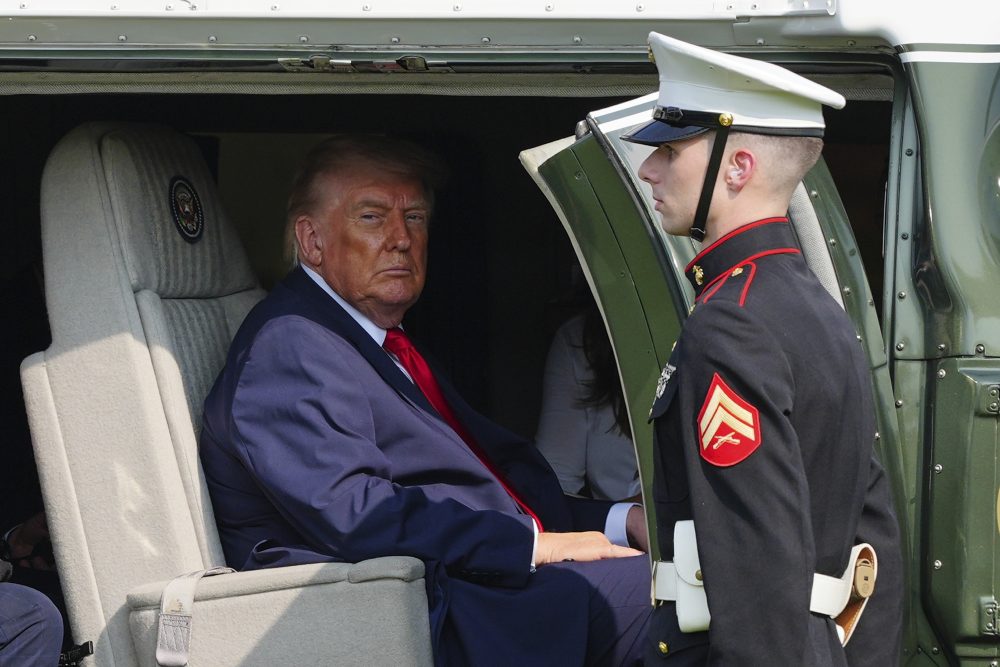
Speaking Monday, Trump expressed he is “not at all” worried about potential war crimes allegations while reiterating his threats to demolish Iranian infrastructure should Tehran fail to reopen the Strait of Hormuz by his specified deadline.
United Nations Secretary-General António Guterres cautioned the United States that targeting civilian infrastructure violates international law, according to his spokesperson’s Monday statement.
Israeli forces launched fresh strikes against Iran in the early hours of Tuesday, prompting Iranian missile retaliation directed at Israel and neighboring Gulf nations.
The death toll in Iran has surpassed 1,900 since hostilities began, though officials have not provided updated casualty figures in recent days.
Lebanese authorities report over 1,400 fatalities and more than one million displaced residents. Eleven Israeli military personnel have lost their lives in that theater.
Casualties in Gulf Arab nations and the occupied West Bank exceed two dozen, while Israel has reported 23 deaths and 13 American service members have been killed.
South Korean President Lee Jae Myung announced plans to send his chief of staff on a diplomatic mission to Kazakhstan, Oman and Saudi Arabia, seeking alternative fuel sources amid energy shortages triggered by the Middle Eastern conflict.
Kang Hoon-sik confirmed his Tuesday evening departure for talks aimed at securing additional crude oil and naphtha supplies, essential for plastic production.
Last month, South Korea secured an agreement with the United Arab Emirates for 24 million barrels of crude, with initial deliveries already arriving.
South Korea’s energy imports – over 60% of crude oil and half of naphtha supplies – typically transit through the Strait of Hormuz, the critical waterway now largely obstructed by Iran as leverage against the United States and Israel.
The King Fahd Causeway connecting Saudi Arabia to Bahrain was shuttered early Tuesday due to Iranian attack threats.
Officials from the King Fahd Causeway Authority announced via social media that traffic had been “suspended as a precautionary measure” following Iranian strikes targeting Saudi Arabia’s Eastern Province.
The 25-kilometer bridge serves as Bahrain’s sole road connection to the Arabian Peninsula, with the island nation hosting the U.S. Navy’s 5th Fleet headquarters.
Though no direct threats against the causeway have been issued, Iranian hardliners have increasingly suggested it as a potential target.
Such risks could escalate if Trump proceeds with his threatened bridge strikes within Iran.
Saudi military officials reported early Tuesday that seven Iranian ballistic missiles struck the kingdom’s oil-rich Eastern Province, with “debris from the missiles” landing near energy installations.
Major General Turki al-Malki, speaking for Saudi forces, provided limited details about ground damage while confirming an “assessment is underway.”
The specific energy facilities affected remained unclear.