
The ongoing conflict involving Iran has dramatically transformed global oil market projections, with energy experts now predicting a supply shortage where they previously anticipated an abundance of crude.
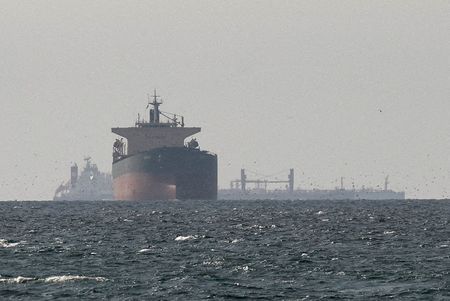
Since hostilities began on February 28 following U.S. and Israeli military actions against Iran, oil shipments through the critical Strait of Hormuz have been severely hampered. This waterway typically handles approximately 20 percent of worldwide oil consumption, making its disruption particularly significant for global energy markets.
A recent survey of eight energy analysts conducted by Reuters reveals expectations that oil demand will exceed supply by an average of 750,000 barrels daily throughout this year. This represents a dramatic shift from September projections that had anticipated a surplus of 1.63 million barrels per day in 2026, largely attributed to OPEC+ plans to reduce production limits and robust output from nations including the United States, Brazil, and Guyana.
According to the International Energy Agency, the conflict has reduced global oil supply by approximately 11 million barrels per day through the end of March. ANZ bank’s April 9 analysis estimated that roughly 9 million barrels per day of crude production has been effectively eliminated from markets. For context, global oil supply reached around 106.6 million barrels daily in January, based on IEA data.
Energy analysts participating in the survey project these immediate supply disruptions will result in an average annual production decrease of 2.13 million barrels per day. Market experts anticipate the most severe shortage during the second quarter, averaging approximately 3 million barrels daily, before conditions improve to show a surplus of 1.4 million barrels per day in the final quarter.
However, analysts caution that supply shortages could worsen depending on the duration of shipping disruptions through the Strait of Hormuz.
Maritime traffic through this crucial passage remains limited, with industry traders indicating no clear evidence of sustained shipping resumption despite Tuesday’s ceasefire announcement.
Vikas Dwivedi, who serves as global energy strategist at Macquarie Group, reports that an estimated 136 million barrels of crude oil and petroleum products remain stranded in the Gulf region due to the ongoing conflict.
Resolving this supply backlog will require considerable time. Many shipping companies continue facing operational difficulties even after the ceasefire, particularly with reports suggesting Iran may implement transit fees for vessels passing through the Strait of Hormuz.
“Issues include insurance and the risk of violating sanctions (by) transacting with Iran if tolls are paid,” Dwivedi said.
The conflict-related supply disruptions triggered the largest annual price forecast increase in Reuters polling history last month, with analysts raising their 2026 Brent crude projections by approximately 30 percent to $82.85 per barrel. The war has driven oil prices up by roughly 50 percent.
Returning oil production to pre-conflict levels will likely require several months, depending on damage assessment at affected oilfields and the restoration of normal shipping operations through Hormuz.
Even under optimistic security conditions, ANZ analysts indicate that output can only be partially restored in the short term, with approximately 2 million to 3 million barrels per day potentially returning during the first month as export operations resume, and an additional 2 million to 3.5 million barrels per day possibly returning to markets throughout the remainder of the second quarter.
“However, operational friction, damaged infrastructure and export bottlenecks mean recovery is unlikely to be smooth,” they said.
ANZ also warns that between 1 million and 2 million barrels per day of production capacity may be permanently compromised or restricted even after hostilities end, creating conditions for tighter markets and increased price volatility.