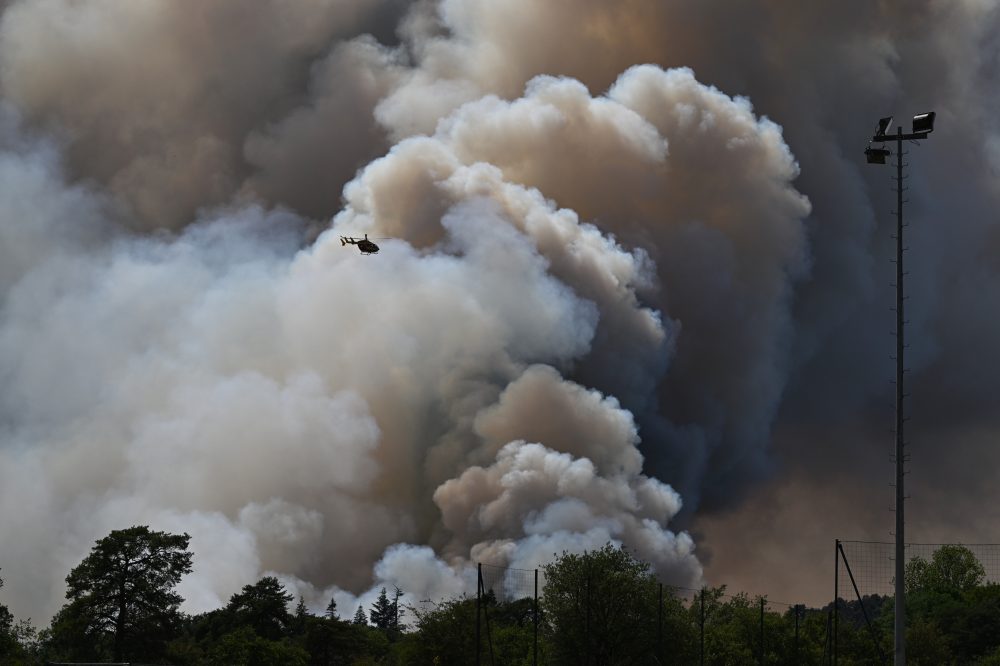

Intense heat waves and a severe lack of rainfall across Europe have fueled historic wildfires in both France and Spain, displacing hundreds of thousands of people in what officials are calling one of the largest evacuation efforts on the continent since World War II.
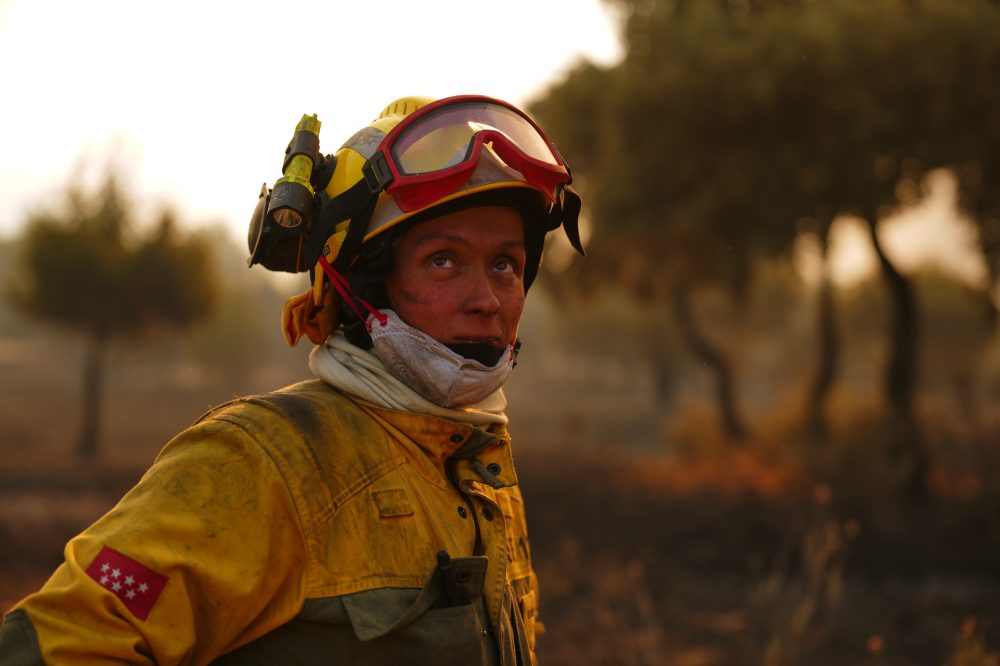
Firefighters are battling blazes that have burned through an area four times the size of Paris in southwestern France, while additional fires continue to burn near Spain’s capital, Madrid. Forecasts calling for even higher temperatures later this week are raising fears that the situation could become more difficult to manage.
Climate scientists note that Europe is warming faster than any other region on Earth, and the continent has already experienced multiple extreme heat events this year.
In Spain, firefighters described the fires as so fierce that a direct attack was not possible. However, on Monday, officials in France spotted the first signs of hope, with indications that a massive fire in the southwestern Gironde region may be slowing its advance.
Experts point to above-average temperatures and a prolonged June heat wave as key drivers of drought conditions across the region. Record-breaking heat pulled moisture from plants and trees, turning vegetation into dry fuel that allows fires to spread quickly and burn with greater intensity. A study published in June by World Weather Attribution concluded that the extreme heat recorded in recent weeks would not have occurred without climate change.
France’s national weather agency, Météo-France, reported that June was the hottest month on record for the country, coming in at 3.8 degrees Celsius — or 6.8 degrees Fahrenheit — above normal, while rainfall fell nearly 50% below average.
Spain has long dealt with forest fires during warmer months, but climate change has pushed its summers to become hotter and drier. That trend, combined with a decline in farming and industries that once made use of forest resources, has left vast stretches of wilderness dangerously prone to fire.
While estimates vary, national and European Union authorities report that the fires this year are record-breaking in scope. The EU’s European Forest Fire Information System estimates that more than 300,000 hectares — roughly 3,000 square kilometers or 1,160 square miles — have burned across France and Spain combined.
France’s Interior Ministry reports that fires have swept through 115,000 hectares, or about 444 square miles, since January — the highest annual total in the country’s modern history.
Spain’s Minister for the Ecological Transition, Sara Aagesen, said the 153,000 hectares burned this year equals six times the amount that burned during the first half of 2025. That total includes Spain’s largest and third-largest fires ever recorded, occurring within just over a week of each other. One blaze in the rural area of Ávila, west of Madrid, consumed more than 50,000 hectares, or about 193 square miles.
Earlier this month, 13 people lost their lives in a fire in southeastern Almeria — the deadliest blaze Spain has seen in recent memory.
More than 300,000 people have been forced from their homes across the two countries. The European Union on Monday described the situation as “one of the biggest evacuation operations in Europe.” In France alone, more than 250,000 people have been evacuated, with 220,000 of those coming from the southwestern Gironde region. As France heads into its peak August tourist season, regional authorities banned holiday camps for children and people with disabilities to keep visitors away from the danger zone.
In Spain, the government said 76,000 people have been evacuated while another 30,000 have been ordered to stay inside their homes.
European Commissioner for crisis management Hadja Lahbib announced Monday that the EU had deployed seven planes and four helicopters from Czechia, Croatia, Germany, Portugal, Slovakia, Sweden, and Turkey to assist France, along with six additional planes from Greece, Italy, and Turkey to help Spain.
“No country should ever have to face a disaster of this scale alone,” Lahbib said. “To the people of France and Spain: Europe will stand with you until the fires are out.”
The EU’s Copernicus satellite program is also providing emergency responders with real-time maps showing fire risk across the affected regions.