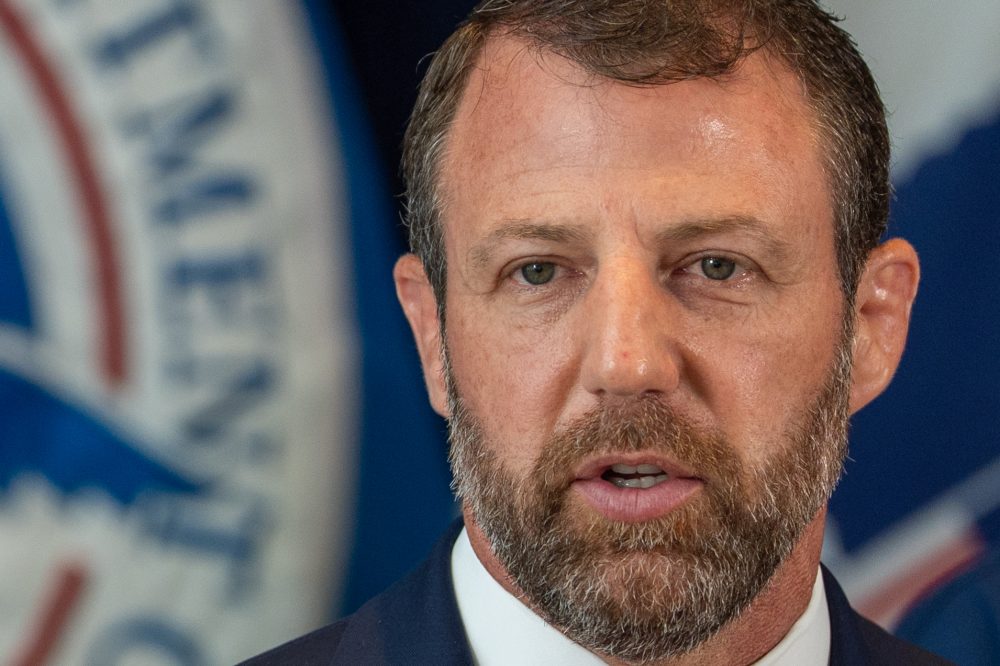

WASHINGTON — When Markwayne Mullin stepped in as Homeland Security secretary following the dismissal of his predecessor Kristi Noem, he made a clear promise: he would steer the department away from constant controversy and keep it out of the news cycle.
That promise is now under serious strain. Just months after taking the helm, Mullin finds his department at the center of a firestorm following three deaths involving Immigration and Customs Enforcement officers — all occurring within less than a week of each other.
These incidents represent the first significant crisis of Mullin’s tenure, coming as he tries to manage competing pressures: a White House pushing hard for mass deportations, former congressional colleagues demanding accountability, and a public unsettled by the deaths.
Democratic Rep. Seth Magaziner made his frustration known on the House floor Tuesday, holding up a newspaper as he addressed the situation. “When he took his position, Secretary Mullin said that his goal was to get the department off the front page of the news,” Magaziner said. “Well, you’re back on the goddamn front page now.”
Mullin, a former senator from Oklahoma, was considered a surprising choice to lead the department after Noem was let go following two deadly shootings of American protesters by federal immigration officers in Minneapolis earlier this year.
Noem had embraced a high-visibility approach to immigration enforcement — most notably making a visit to a Salvadoran detention center — and was quick to publicly comment on controversial incidents, including the Minneapolis shootings, where she characterized the killed protesters as agitators.
President Donald Trump, who made mass deportations a cornerstone of his second term, ultimately grew dissatisfied with Noem over a $200 million advertising campaign and her management of the Minneapolis situation.
Mullin charted a different course from the start. His first trip as secretary took him not to an immigration enforcement operation, but to North Carolina to observe hurricane recovery efforts. Unlike Noem, he has not joined officers on immigration raids. The administration also shifted away from high-profile enforcement actions in American cities, opting for a quieter strategy that drew less media attention. Under Mullin, ICE also stepped back from a plan to house migrants in warehouses.
Even so, immigration arrests have continued at a significant pace. ICE detained 10,000 people over a five-day stretch in late June — roughly 2,000 arrests per day. Legal avenues for immigration have also been further restricted during this period.
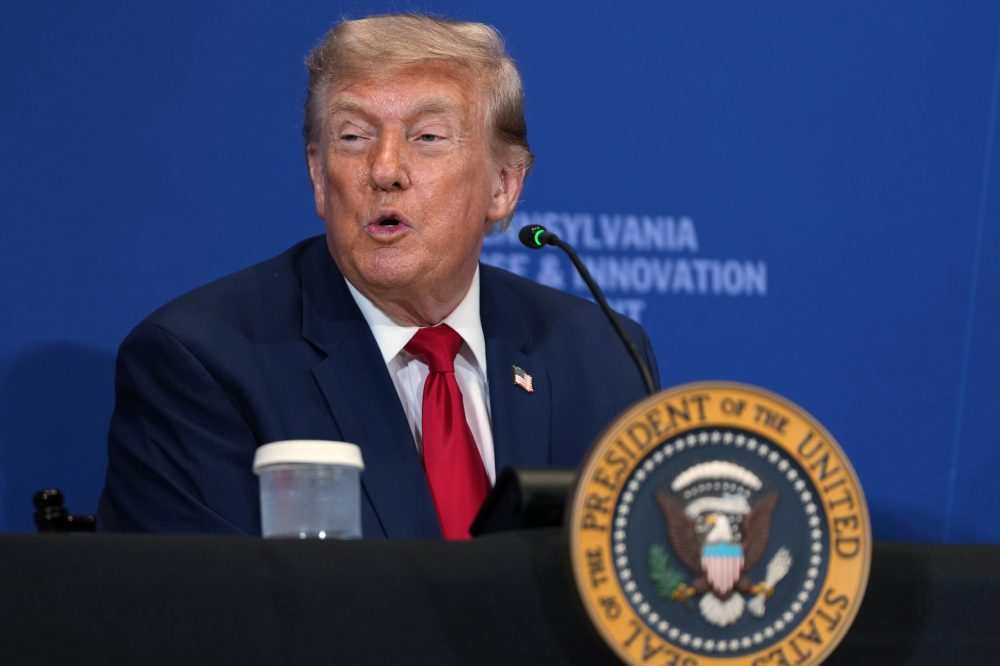
Trump has spoken glowingly of Mullin during his tenure, calling him “so incredible” and “amazing,” and praising him for leaving his Senate seat to lead the department.
For a time, it seemed Mullin’s softer approach was working. Civil rights advocates continued to raise concerns about immigrant treatment, but the department largely stayed out of the national spotlight.
Then came the events of the past week. ICE officers in Houston and Maine each shot and killed individuals inside vehicles during immigration operations. In Florida, a man died in a car crash while fleeing from ICE officers.
Mullin has not made any public statements about the deaths. The department’s communications office has issued only brief written statements in response to each incident.
Behind closed doors, however, Mullin — known for sharing his personal cell phone number with members of Congress — has been in contact with lawmakers, including both senators from Maine, to share information about the incidents.
Following the second fatal shooting in Maine, and amid growing backlash from protesters and lawmakers, ICE was directed to suspend most vehicle stops. That move drew sharp criticism from conservative voices.
Conservative influencer Nick Sorter called it a “TOTAL CAPITULATION to the left” in a post on X. Conservative activist Mike Davis accused Mullin of acting on the advice of Maine Sen. Susan Collins, who said she had recommended the vehicle stop pause directly to the secretary.
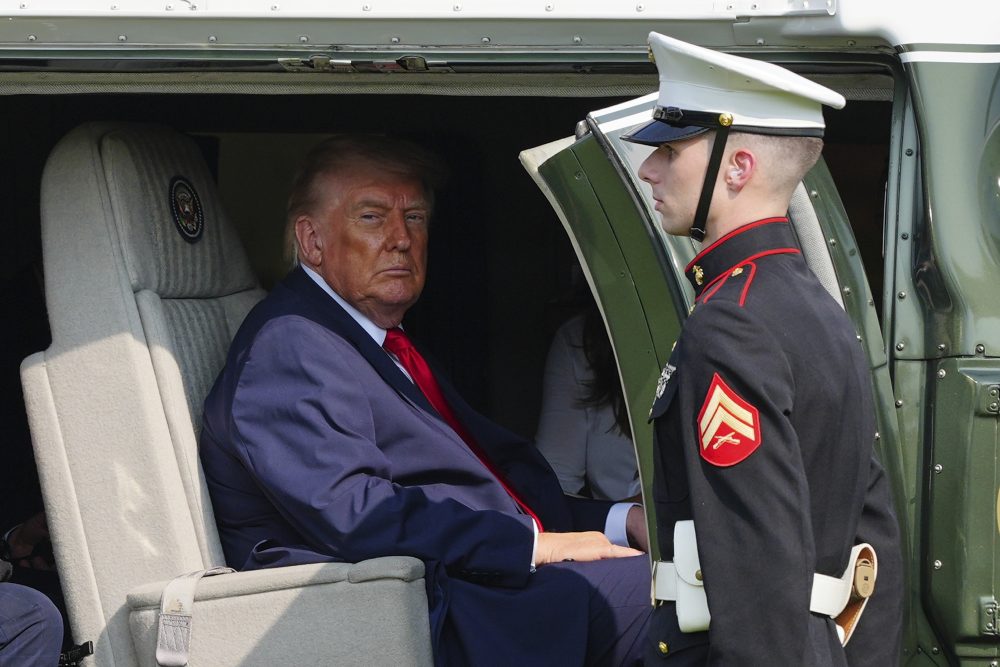
One day later, Trump appeared to push back against that decision, posting on social media: “we must be strong, tough and smart and we CANNOT give up one of ICE’s most important and effective Crime Fighting tools, THE TRAFFIC STOP!”
Mullin reposted Trump’s message, adding that people in the country illegally would be “arrested and deported wherever they are.” He later wrote on X that he and the president are “on the same page.” Whether vehicle stops had actually resumed remained unclear.
The episode highlighted the tension between Mullin’s effort to project stability and the president’s insistence on aggressive enforcement.
Tom Warrick, a former counterterrorism official at Homeland Security who now works at the Atlantic Council, described the challenge Mullin faces. “Trying to deal with competing policy objectives is a challenge for any Cabinet secretary, but Mullin has this worse than most,” Warrick said. “In the case of Homeland Security, the White House wants both to meet their immigration quotas at the same time that they keep public trust, and how you do that — even with the funding that Mullin has — is a really difficult challenge.”
Democrats have been sharply critical, arguing they see little real change at the department. “Secretary Mullin, if he wants to, and if he has the backing of the White House, he has the ability to get ICE under control and make them follow the law,” said Rep. Joaquin Castro, a Democrat from Texas. “So either he has no interest in doing that, or the White House is not backing him up, or the agents are simply out of control.”
Republican lawmakers have largely rallied behind Mullin. Rep. Andrew Garbarino of New York, who chairs the congressional Homeland Security Committee and has requested a bipartisan briefing from DHS on ICE’s use of force policies, offered a measured defense of the secretary.
“I think the Secretary has lived up to what he’s wanted to do to try to change the atmosphere over there,” Garbarino said. “I don’t think anybody is celebrating that ICE is back in the headlines.”