
The world’s economy has consistently performed better than predicted for 14 consecutive months, even as conflict in Iran raises new worries about energy costs and international stability, according to a widely-watched financial measurement.
Citigroup’s economic surprise indicator, which compares recent economic performance against expert predictions over three-month periods, has remained positive since January 2025. This suggests financial analysts overestimated the negative effects of international tensions and increased U.S. import duties.
This Thursday marks a milestone as the streak surpasses the post-pandemic recovery period, becoming the second-longest positive run on record. Only the 2009-2011 period lasted longer.
However, the measurement doesn’t yet account for the Middle Eastern warfare, which has driven up petroleum costs and reignited concerns about economic expansion. These effects will take time to appear in official data.
“There is no reason for it to be consistently positive, surprises are normally pretty random, and expectations should adjust to past surprises,” explained Kristjan Kasikov, global head of Citi FX Quant Investor Solutions.
“The fact that this has not happened over the past year, means economists have been too stubborn in not adjusting their expectations for better than expected growth,” Kasikov said. He developed the measurement tool two decades ago.
“They expected the fallout from trade uncertainty and geopolitics to weigh on growth, and that did not happen,” he added.
Kasikov noted that export numbers and manufacturing output have been key drivers of the stronger-than-expected performance.
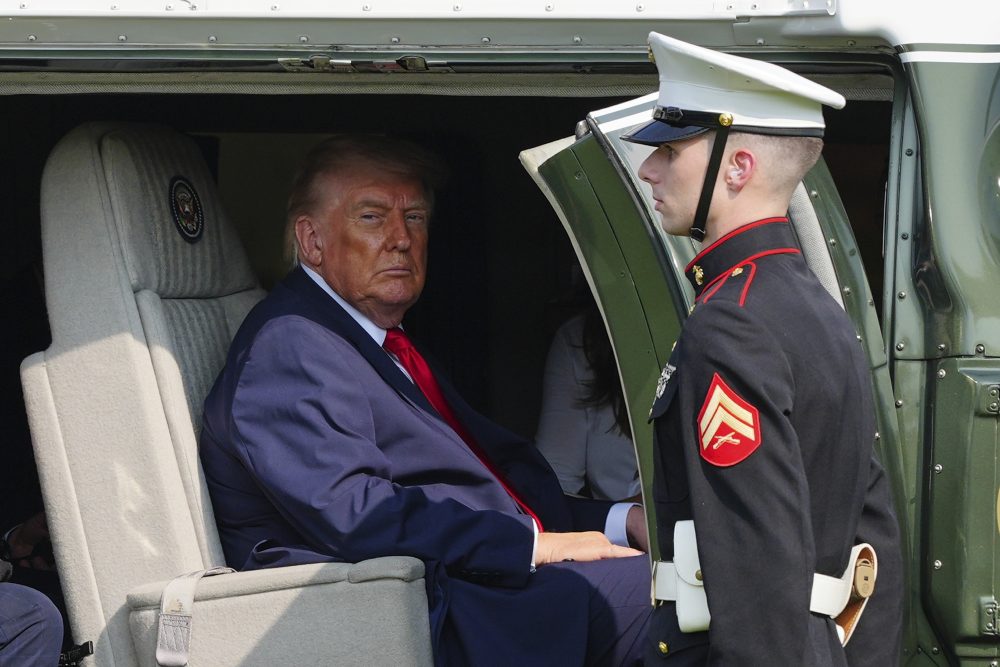
President Donald Trump implemented various import taxes on goods entering the United States in early 2025. Though these have been scaled back from their peak levels that startled financial markets in April, they continue to remain substantially elevated.
Significant spending on artificial intelligence technology and government stimulus policies have supported economic expansion.
Nevertheless, experts anticipate that climbing oil costs will create headwinds in coming months, particularly if increased expenses trigger widespread price increases and compel banking authorities to increase borrowing rates.
According to Kasikov, throughout most of 2025, information indicated worldwide economic expansion was slowing, though not as severely as forecasters had predicted. This pattern reversed in the final quarter when growth measures began accelerating beyond expectations.
He suggested this trend might help explain why international stock markets performed strongly in 2025.
The MSCI all country world index gained 20.6% during the previous year.