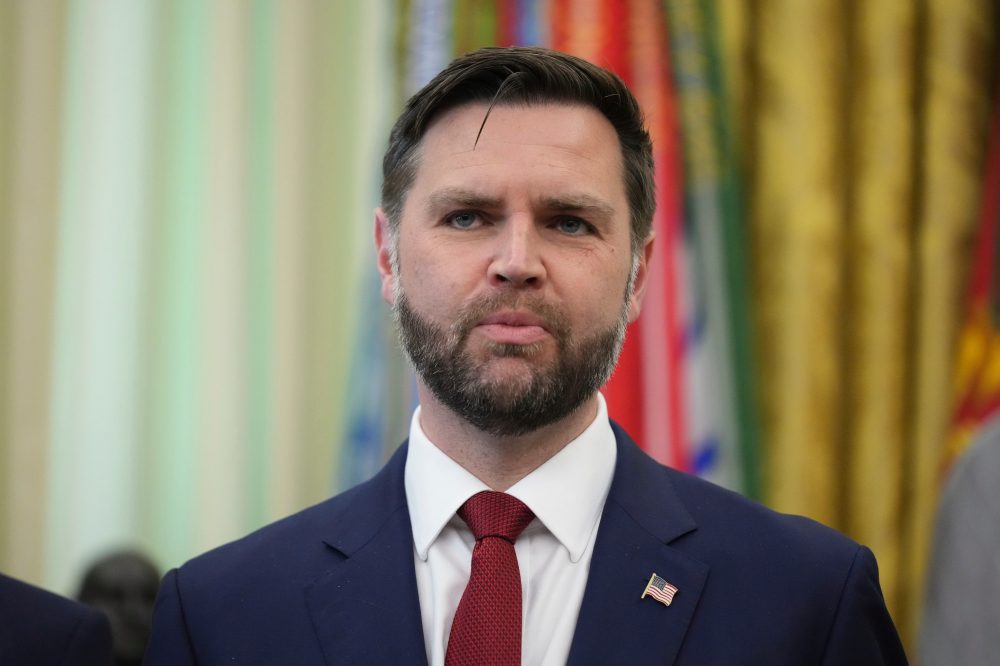

DES MOINES, Iowa — On Tuesday, Vice President JD Vance made his inaugural trip to Iowa since assuming office, traveling to the state where GOP voters will be among the first to select their party’s presidential candidate in under two years.
The vice president, widely regarded as a top contender for the Republican presidential nomination in 2028, traveled to Iowa to support Rep. Zach Nunn, who is fighting to retain his Des Moines-area congressional seat in November’s competitive midterm election.
However, the trip provides Vance with a valuable opportunity to gauge his appeal among Iowa voters, whose first-in-the-nation caucuses grant them significant influence in selecting presidential nominees. By campaigning for a local representative in his capacity as vice president, he gets an early chance to connect with Iowa Republicans, who are experienced at sizing up potential White House contenders before campaigns officially launch.
The vice president’s Iowa appearance follows closely after Texas Senator Ted Cruz, another potential 2028 contender, addressed a gathering of evangelical Christians who wield considerable influence in Iowa’s Republican primary process.
Jimmy Centers, a Republican political strategist based in Des Moines, acknowledged that the 2028 race remains “light-years away,” but noted that Republicans attending Vance’s Tuesday event will be assessing his potential as a presidential candidate.
“I certainly think, as of right now, Vice President Vance would probably be a straw-poll winner of Iowa Republicans for 2028. But I don’t think anyone is saying, ‘We won’t consider anybody else,’” Centers said.
While Vance has not announced any intentions regarding a 2028 presidential bid, he is set to join Nunn at a Des Moines manufacturing plant. His office declined to discuss how the trip might affect Vance’s political future.
This visit follows President Donald Trump’s January trip to Iowa, where he promoted the administration’s tax reduction policies as part of their ongoing economic messaging strategy leading up to midterm elections that will decide congressional control.
However, Vance’s Iowa visit occurs as his political future and expected economic message face complications from the ongoing conflict in Iran.
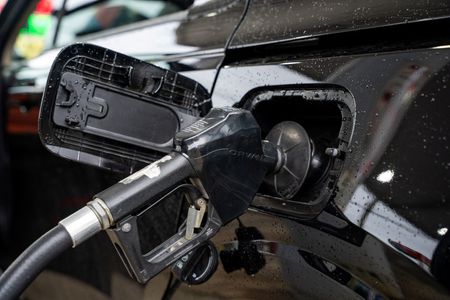
The vice president, who has historically questioned foreign military interventions, appears to be an unenthusiastic supporter of the nine-week conflict that Trump has struggled to resolve. Iowans, similar to Americans nationwide, are dealing with elevated gas prices due to the war. Additionally, the state’s agricultural sector is experiencing pressure from increased fertilizer costs related to the conflict and harm from Trump’s tariff policies.
Despite Iowa farmers’ continued support for the president, they are seeking White House reassurance that current challenges will be temporary.
Originally planned for the previous week, Vance’s Iowa visit was postponed when the House scheduled a vote on comprehensive farm legislation that required Nunn’s participation.
The vice president had also been scheduled to participate in an Iowa State University event with Turning Point USA last week, but the organization reported being unable to reschedule with the university until fall.
Kim Schmett, a veteran Iowa GOP activist, described the presidential cycle as beginning “deceptively slow.”
While Republican figures exploring presidential runs frequently visit the Westside Conservative Club that Schmett organizes, he noted it remains too early before the caucuses, which typically occur in January of presidential election years.
Schmett observed that Trump’s Make America Great Again movement “is very alive and going here” in Iowa, which would advantage Vance along with Secretary of State Marco Rubio, another rumored potential candidate.
“I think there’s going to be a lot of MAGA support,” he said. “And Vice President Vance and Marco Rubio seem to be the recipients of where that is going at the moment.”
However, Schmett warned, “it’s awfully, awfully early in the process.”
On the Democratic side, approximately six presidential prospects have been visiting states with early primary contests, including recent Iowa trips by former Transportation Secretary Pete Buttigieg and Michigan Senator Elissa Slotkin.
Meanwhile, prospective Republican presidential candidates “are treading very lightly,” according to GOP strategist Alex Conant, who served on Marco Rubio’s 2016 presidential campaign.
“I think Republicans are going to be very reluctant to get in Trump’s way until Trump gives the green light for the campaign to start,” Conant said.
This means much of the preliminary work involving donor meetings, activist outreach, or staff recruitment may proceed gradually and discreetly for now.
Following the midterms? Conant predicted: “It’ll be irresistible.”