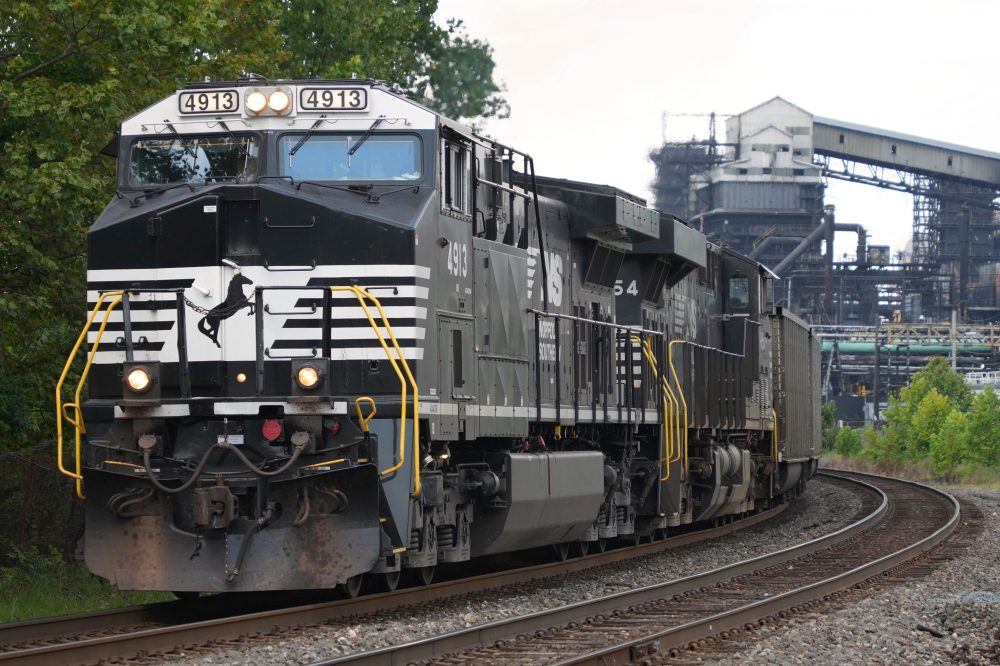

The Nebraska-based Union Pacific railroad announced Thursday that first-quarter earnings jumped 5% as the company continues working to convince federal regulators to approve its massive $85 billion takeover of Norfolk Southern.
Union Pacific reported profits of $1.7 billion, translating to $2.87 per share, though merger-related expenses reduced earnings by 6 cents per share. The results exceeded the previous year’s $1.63 billion profit ($2.70 per share) and beat analyst expectations of $2.86 per share surveyed by FactSet Research.
Company CEO Jim Vena highlighted the railroad’s continued operational improvements during the quarter, noting benefits from higher shipping rates while simultaneously preparing the merger proposal.
“Our safety, service, and operating momentum continued in the first quarter as we further challenged ‘what’s possible’ from our great railroad,” Vena said.
Revenue increased 3% to reach $6.22 billion despite handling approximately 1% fewer shipments. The growth stemmed from rising freight rates and additional fuel surcharge collections.
Operating costs also rose 3% to $3.76 billion during the quarter.
The company maintained its forecast for mid-single digit earnings per share growth this year, consistent with long-term projections. Union Pacific plans to invest $3.3 billion in operational improvements.
Next week, the railroad intends to resubmit its Norfolk Southern acquisition application. The U.S. Surface Transportation Board previously rejected the initial proposal, requesting additional details before determining whether the merger would harm industry competition by reducing major freight railroads from six to five.
The proposed deal would establish America’s first coast-to-coast railroad network, creating division among labor groups and shipping customers. While Union Pacific already ranks among the largest western U.S. railroads, the nation’s biggest rail union and several smaller organizations support the merger following job security guarantees. However, two major unions representing engineers and track maintenance crews oppose the consolidation.
Customer opinions remain split, with chemical industry and agricultural trade associations expressing concerns while hundreds of other businesses endorse the proposal. Former President Donald Trump has indicated support for the deal.
Vena argues that a transcontinental railroad would strengthen the economy by eliminating mid-country handoffs between rail companies, enabling faster shipments that could better compete with trucking services.