
DAR ES SALAAM, Tanzania (AP) — A government commission investigating deadly unrest following Tanzania’s 2023 elections revealed Thursday that no fewer than 518 people lost their lives during the violent aftermath, which occurred while authorities had blocked internet access across the nation.
The violent clashes left thousands wounded, including more than 800 individuals who sustained gunshot injuries.
Commission leader Mohamed Chande Othman indicated the actual death toll could be significantly higher, noting that some families chose to bury deceased relatives without bringing them to official morgues first.
The deadly violence erupted on October 29 when young protesters filled the streets, claiming the government was suppressing opposition voices. The unrest followed the imprisonment of the main opposition party’s leader on treason charges and the disqualification of another major opposition party’s presidential nominee.
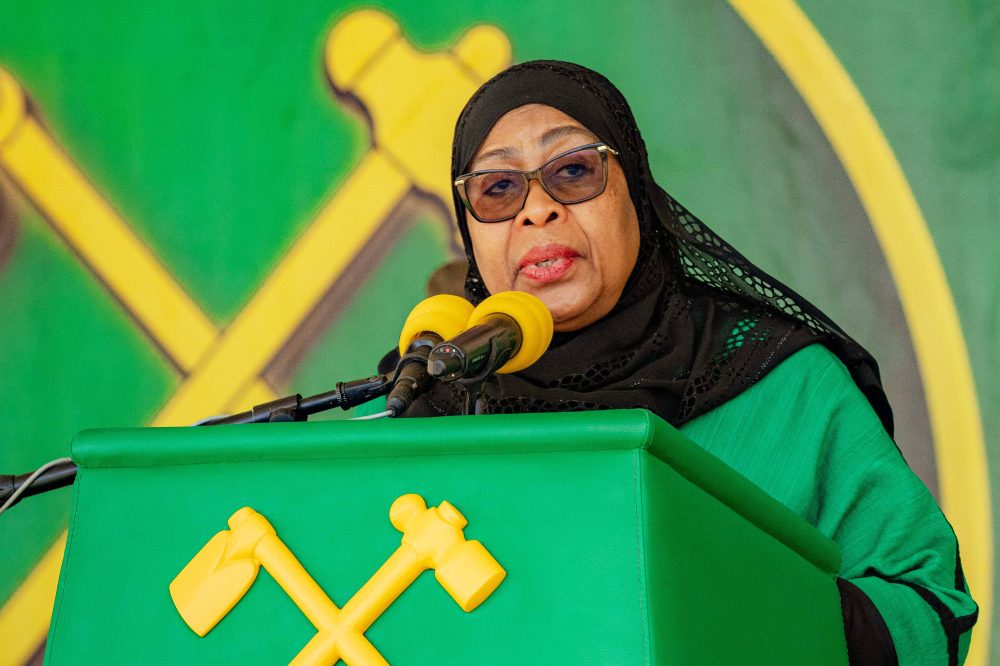
Authorities cut off internet service nationwide for several days during the crisis. President Samia Suluhu Hassan later issued an apology to international diplomats for the shutdown and pledged it would not be repeated.
Hassan had been campaigning for her first full term after completing the presidency of John Magufuli, who died while in office. She secured victory with 97% of votes cast, though international election monitors questioned whether the process met standards for free and fair elections.
Othman called for additional investigation into firearm usage, noting that witnesses reported family members being shot while inside their homes.
Following the violence, 245 individuals remain missing, while 39 families reported seeing their relatives’ bodies in morgues before those remains subsequently vanished.
The commission dismissed claims by human rights organizations about the existence of mass burial sites.
Investigators determined the demonstrations were not peaceful gatherings but rather “acts of violence” because organizers failed to provide required 48-hour advance notice to police and because the protests occurred on election day, preventing some citizens from voting.
According to Othman, the protests appeared to be organized and coordinated by individuals who had received recruitment and training, with violence breaking out simultaneously across multiple locations in an apparent attempt to overwhelm law enforcement response.