
The United Nations World Food Programme issued an urgent warning Friday that Somalia could lose all humanitarian food assistance by July unless emergency funding is secured to address what officials describe as one of the world’s worst malnutrition emergencies.
Speaking to reporters from Rome via video conference, Matthew Hollingworth, the WFP’s assistant executive director for programme operations, described the deteriorating situation in stark terms.
“Somalia faces a really severe malnutrition crisis and is one of the biggest malnutrition hotspots in the world,” Hollingworth stated during the Geneva briefing.
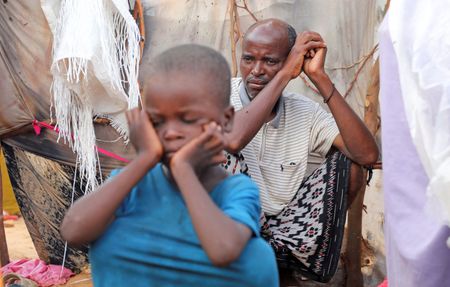
The crisis has reached alarming proportions, with approximately 6 million Somalis – nearly one-third of the population – currently experiencing severe hunger. Additionally, 1.9 million children are suffering from acute malnutrition, according to WFP data.
The humanitarian emergency stems from a devastating combination of factors, including consecutive seasons of failed rainfall that have destroyed agricultural crops and decimated livestock herds. Persistent violence and instability throughout the country have compounded these challenges, occurring at a time when international aid has been drastically reduced and supply chains disrupted by Middle Eastern conflicts.
Somalia continues to grapple with overlapping security challenges, including the ongoing insurgency led by the Al-Shabaab militant organization against the federal government, as well as political tensions between the capital Mogadishu and regional authorities over governance and security matters.
The current crisis bears troubling similarities to 2022, when Somalia teetered on the edge of famine following an extended drought period. However, Hollingworth emphasized that the critical difference now is the absence of adequate funding to mount a large-scale humanitarian response.
The WFP, which handles 90% of Somalia’s food security operations, has been forced to dramatically scale back its assistance, reducing the number of people it can help from 2 million to just 500,000. Without immediate additional funding, the organization may be compelled to suspend all operations by July.
Complicating relief efforts further, humanitarian organizations are experiencing significant delays in obtaining essential supplies. Ready-to-use Therapeutic Food, a crucial treatment for malnourished children, is facing delivery delays of up to 40 days due to supply chain disruptions caused by ongoing conflicts in the Middle East region.