
WASHINGTON — A new survey shows Americans are feeling less optimistic about the economy this month, with rising gas prices tied to the ongoing conflict between the U.S. and Iran playing a major role in souring the public mood.
The Conference Board released its consumer confidence index on Tuesday, showing a drop to 90.8 in July, down from 92.2 in June.
How consumers feel about current business and labor market conditions declined by 3.6 points, landing at 114.9 — marking the third consecutive monthly decrease. Meanwhile, how people feel about their financial prospects in the near future remained relatively unchanged from last month, holding at 74.7.
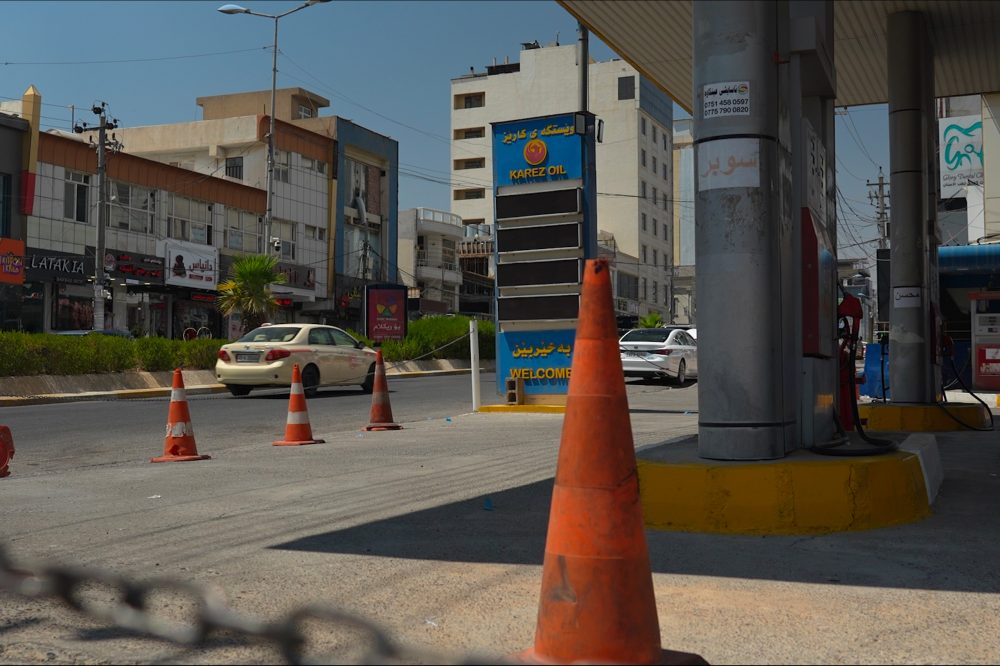
Confidence had seen a modest uptick in June when gas prices eased, falling to roughly $3.70 per gallon after reaching over $4.50 per gallon in late April and early May. However, as military tensions in the Middle East intensified, prices at the pump began climbing again. As of Tuesday, the national average for a gallon of gasoline stood at $4.10, according to AAA.
The price spike traces back to late February, when Iran closed the Strait of Hormuz following attacks by the U.S. and Israel. That waterway carries approximately one-fifth of the world’s oil supply, and its closure triggered a surge in fuel costs that accelerated inflation and eroded Americans’ inflation-adjusted incomes.
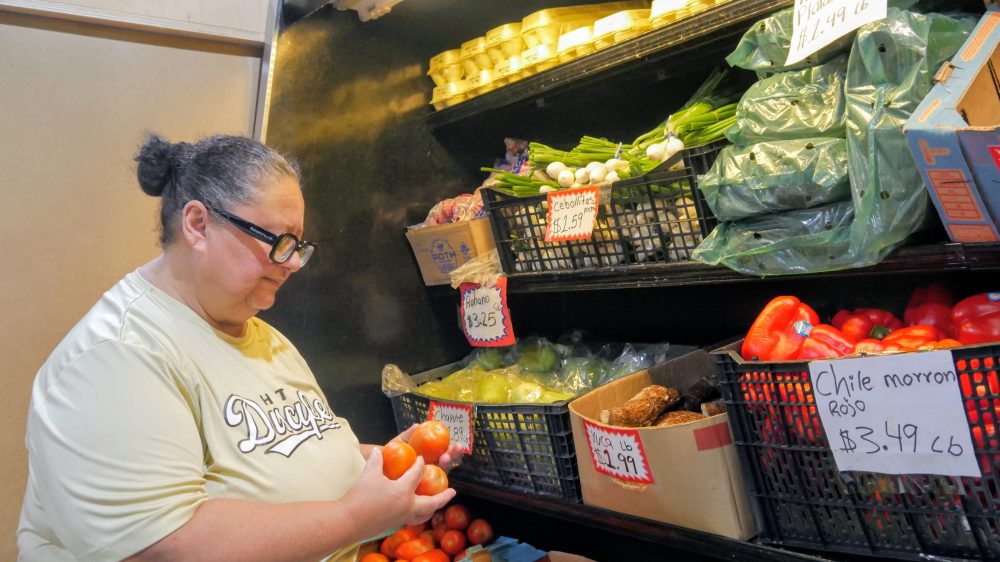
Written responses gathered as part of the survey — collected between July 1 and July 22 — reflected continued pessimism among consumers. The Conference Board noted that references to gas prices dipped slightly but remained high, while mentions of food and grocery costs actually increased compared to the previous month.
The number of people bringing up war and geopolitics in their responses did fall this month, but the Conference Board cautioned that the recent escalation in U.S.-Iran fighting could drive those mentions back up when the next survey is conducted.