

Kenya and the United Kingdom reached an agreement Tuesday to restart British military training operations in Kenya, ending a delay that stemmed largely from concerns raised by Kenyan lawmakers about protecting communities located near training areas.
Despite the announcement, neither country’s government addressed allegations that British soldiers committed human rights violations during earlier training exercises in the country.
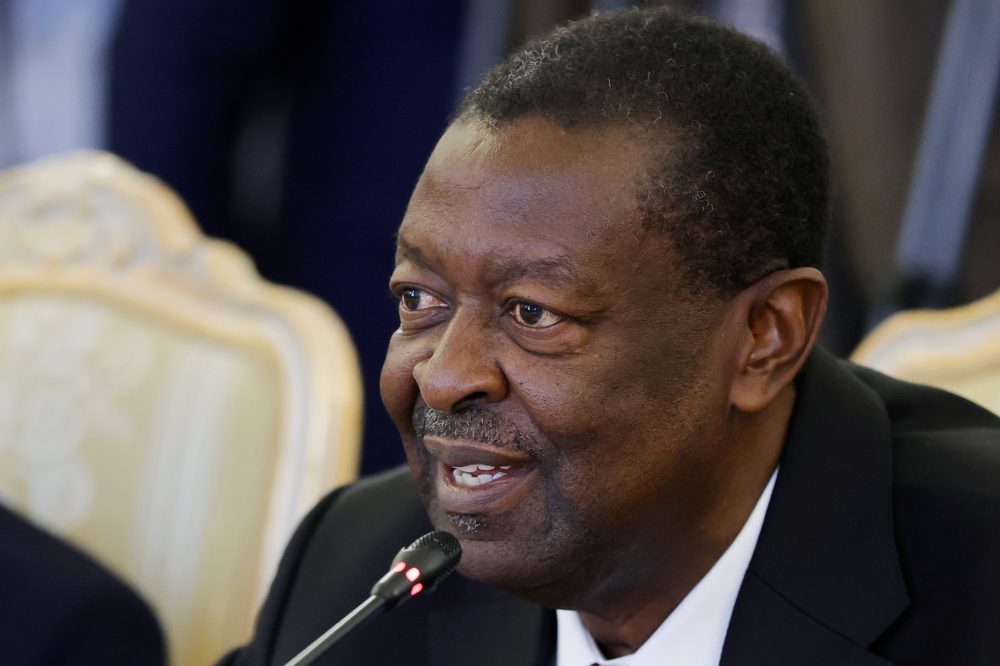
Kenya’s foreign affairs minister, Musalia Mudavadi, expressed his government’s support for moving forward, describing the partnership as one “built over decades on mutual respect, constructive engagement, and a shared commitment to peace and security.”
The halt in training had been announced on July 23. Kenyan officials had pushed back against reports in local media suggesting that Britain was weighing a move of some training operations to Tanzania, which borders Kenya.
In a formal statement, the British government confirmed that Kenya had agreed to issue the required licenses and permits, with training expected to get underway again later this year.
Approximately 200 British military personnel are stationed in Kenya on a permanent basis. Each year, they help train more than 1,000 Kenyan soldiers who are then deployed to Somalia to fight al-Shabab, the East African branch of al-Qaida.
Britain contributes more than 1.1 billion Kenyan shillings — roughly $9.6 million — to the partnership on an annual basis.
Scrutiny of the British military presence in Kenya intensified after the body of 21-year-old Agnes Wanjiru was discovered in a septic tank in Nanyuki, a town close to the British army training site, in 2012. The discovery came weeks after witnesses reported seeing her leave a bar in the company of British soldiers.
Adding to the controversy, a fire accidentally set by British soldiers in 2021 burned through more than 12,000 acres of the Lolldaiga Conservancy, which is situated near the training grounds.


