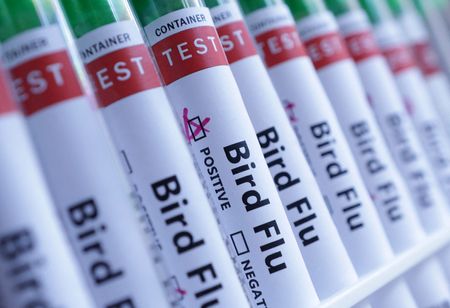

New Zealand has confirmed its first detection of the deadly H5N1 strain of bird flu, after a brown skua seabird found on a beach near the capital city of Wellington tested positive for the virus, Biosecurity Minister Andrew Hoggard announced Wednesday.
The discovery follows last month’s detection of the virus in Australia, which had been the final continent to report the illness. The highly aggressive H5 strain has been moving through wild bird and mammal populations around the world since 2021, causing millions of deaths and spreading into poultry flocks, dairy farms, and even some farmworkers.
Hoggard sought to reassure the public, stating: “There is no evidence of any mass mortality in wildlife or transmission between wild birds in New Zealand. There has been no detection in poultry.”
New Zealand authorities had been anticipating the virus’s arrival and have been working alongside the poultry industry to put biosecurity and resilience plans in place.
The minister noted that the country could follow a trajectory similar to neighboring Australia, where 14 confirmed or presumed positive detections of H5 bird flu had been recorded as of Wednesday.
In response to the threat, health officials have launched a vaccination effort targeting 300 core breeding birds from five of the nation’s most endangered species, Hoggard said.
H5 bird flu was first confirmed on Heard Island, a sub-Antarctic territory belonging to Australia, in late 2025.