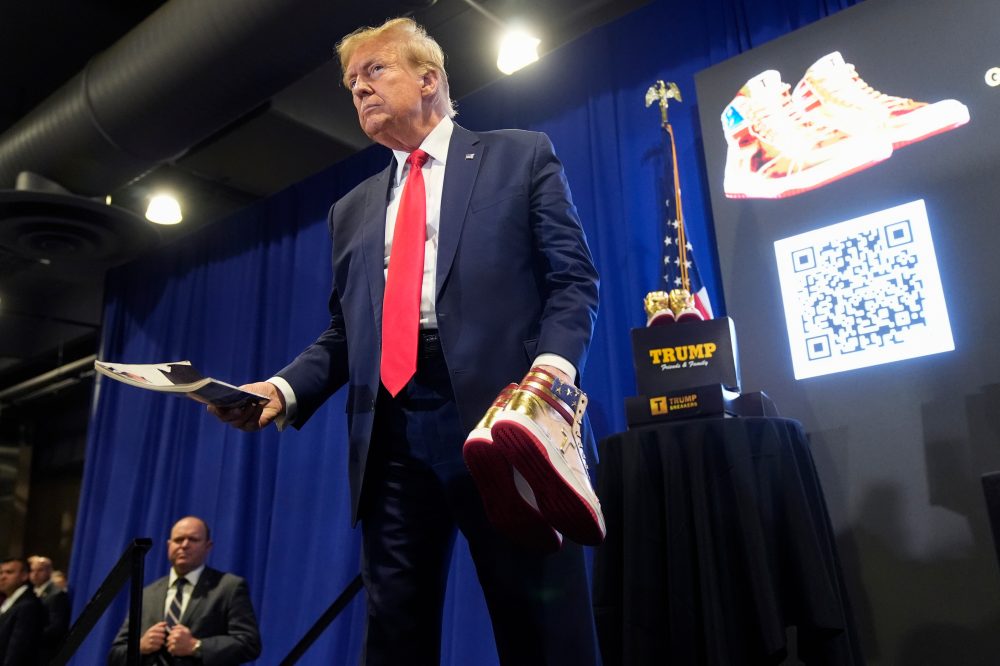

The Trump family’s business empire has experienced unprecedented growth during Donald Trump’s second presidency, raising new questions about potential conflicts of interest and what precedent this might establish for future commanders-in-chief.
While the Trump Organization completed zero international agreements during Trump’s initial White House tenure, the family has closed eight overseas deals within the last twelve months alone.
The financial windfall has been remarkable. Revenue from Trump-branded digital “meme” coins over just four months has exceeded twice what the organization earned operating their prominent Washington D.C. hotel throughout Trump’s entire first presidency.
Additional ethical concerns arise from family investments in corporations that rely on federal contracts and pursue government-backed funding and loans.
Columbia University historian Timothy Naftali observed that any previous limitations seem to have vanished entirely. “Whatever constraints there were in the first term appear to have completely disappeared,” Naftali stated.
Princeton University historian Julian Zelizer expressed concern about the precedent being established for future presidents. “He has shown politically there is no price to be paid to making money,” Zelizer explained. “You know you can go there.”
White House officials maintain Trump faces no conflicts of interest, emphasizing his assets remain in a trust overseen by his children and asserting he maintains “no involvement” in family business transactions. The Trump Organization separately declared, “The implication that politics has enriched the Trump family is unfounded.”
However, the recent surge in family business activity presents a stark contrast to Trump’s first presidential term.
International projects include a Qatar golf club and villa development partially backed by a Qatari government-owned company. In Vietnam, where The New York Times documented government displacement of farmers to accommodate a Trump resort, the nation’s deputy prime minister formally approved the project during a signing ceremony. Saudi Arabia is developing a “Trump Plaza” resort along the Red Sea through a Saudi developer with close royal family connections.
While determining whether these deals influenced U.S. policy decisions remains virtually impossible, each country achieved significant policy objectives: Qatar gained access to cutting-edge American technology, Vietnam received tariff reductions, and Saudi Arabia secured fighter jet purchases.
The Trump Organization has earned tens of millions in fees from these arrangements.
Cryptocurrency ventures present additional conflict-of-interest concerns.
Just before inauguration, the Trump family sold nearly half their World Liberty Financial crypto operation to a UAE government-connected firm managed by a UAE royal family member for $500 million.
A second UAE entity, a government investment fund, purchased $2 billion worth of stablecoin digital currency for the offshore cryptocurrency platform Binance through World Liberty. This arrangement allows the Trump company receiving those dollars to invest in secure options like bonds or money market accounts while retaining tens of millions in interest earnings.
Subsequently, the Trump administration lifted Biden-era restrictions, granting the UAE access to advanced American semiconductor technology. Binance founder Changpeng Zhao later received a presidential pardon despite pleading guilty to failing to prevent criminals from using his platform for money laundering connected to child exploitation, drug trafficking, and terrorism.
Regarding the pardon, White House officials characterized Zhao as a casualty of what they termed “The Biden Administration’s war on crypto.” Zhao’s legal representative stated via email, “Any claim of a quid pro quo by Binance or CZ, or preferential financial treatment by Binance, is a clear misstatement of the public record.”
World Liberty has created another revenue source for a new Trump limited liability company through “governance token” sales, which provide buyers voting rights without ownership stakes. These sales generated $2 billion last year, translating to hundreds of millions for the Trumps through their World Liberty ownership and a separate agreement providing them a percentage of sales.
Cryptocurrency billionaire Justin Sun emerged as a major token purchaser, spending $75 million between Trump’s election and inauguration. As a foreign national, Sun would be prohibited under U.S. law from making political contributions to American politicians.
A federal lawsuit accusing Sun of investor fraud was suspended in February before reaching a $10 million settlement last month.
Digital “meme” coins featuring Trump’s image launched just days before his second inauguration have proven extraordinarily profitable.
Within four months, these coins generated $320 million, with the majority flowing to Trump-affiliated entities according to blockchain analyst Chainalysis. Unlike lobbyists or campaign contributors seeking to influence Trump, coin purchasers can buy anonymously.
Forbes estimates place Trump’s current net worth at $6.3 billion, representing a 60% increase since returning to office.
The business expansion has continued into Trump’s second year back in the White House.
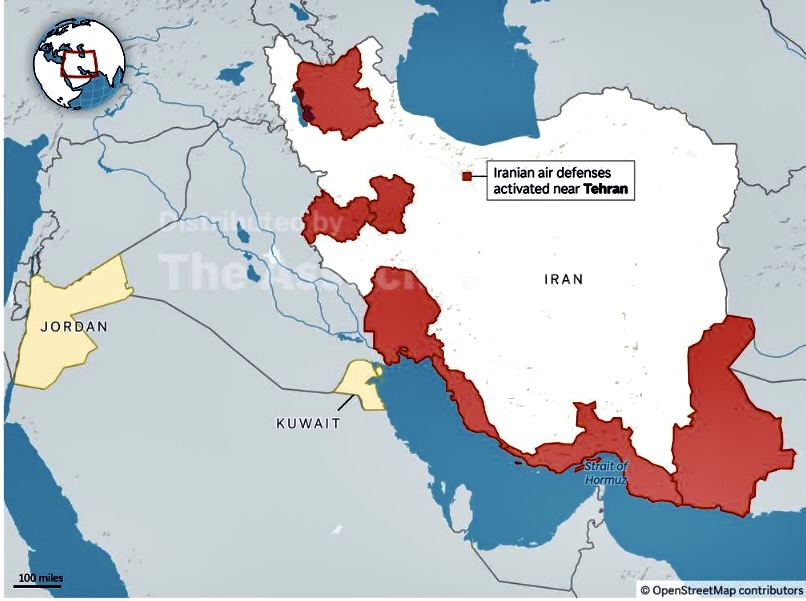
Last month, his eldest sons acquired stakes in an armed drone manufacturer pursuing Pentagon contracts and seeking business with Gulf nations under Iranian attack who depend on U.S. military protection led by their father.
Other government contractors where one or both sons have obtained ownership interests this year include a rocket motor producer, an artificial intelligence chip supplier, and a data analytics firm.
When questioned about potential conflicts following the drone deal announcement, Eric Trump stated, “I am incredibly proud to invest in companies I believe in.” A representative for Donald Trump Jr. said he doesn’t “interface” with government officials regarding his portfolio companies.
The president has largely dismissed conflict-of-interest concerns, telling The New York Times in January, “I found out that nobody cared.”