
ROME — A traditionalist Catholic organization that broke from the authority of Pope Leo XIV is pushing back against the Vatican’s swift and severe punishment, arguing its members were acting in the best interest of the faithful and are now being treated unjustly.
The leader of the Society of St. Pius X sent a letter to Pope Leo XIV just one day after the Vatican excommunicated the group’s bishops and priests and issued a warning that ordinary members who continue participating in the schism could also face excommunication — a formal break from the church.
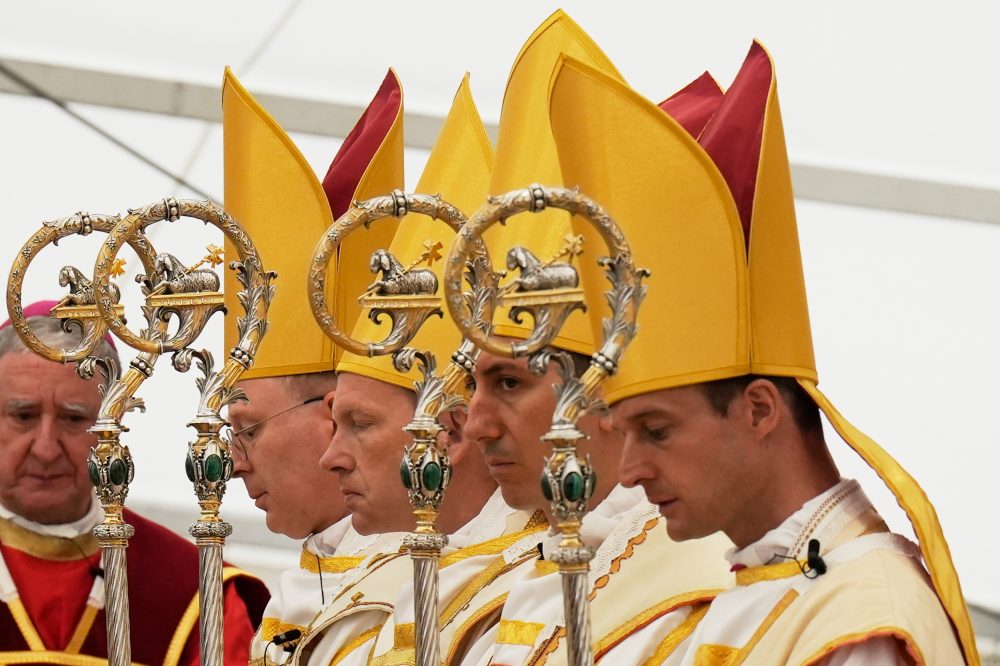
The group, widely known as the SSPX, is dedicated to celebrating the traditional Latin Mass and stands firmly against the modernizing changes the Catholic Church has made over the decades. On Wednesday, the organization consecrated four new bishops at its seminary in Econe, Switzerland — a ceremony that took place without the pope’s approval and is considered one of the most serious violations of church law.
Pope Leo XIV had personally urged the SSPX not to go through with the ceremony, but the group proceeded anyway. Within a single day, the Vatican issued an extraordinarily strict response that caught even the SSPX’s harshest critics off guard.
In the letter addressed to the pope, SSPX superior the Rev. Davide Pagliarani framed the group as a bold defender of Catholic tradition and a target of an unfair ruling from Rome.
“What the Society of Saint Pius X has done, and will continue to do, is nothing other than an extraordinary initiative for the salvation of souls, amidst the doctrinal and moral confusion into which the church is plunged,” Pagliarani wrote.
Despite what he called “unjust and invalid” penalties, Pagliarani wrote that the SSPX will continue to love the church and “offers up the suffering caused by these new sanctions for the good of the universal church and of Your Holiness.”
The SSPX was founded in 1970 by French Archbishop Marcel Lefebvre in opposition to the reforms of the Second Vatican Council, which transformed the church’s relationships with other Christians, Jewish communities, and people of other faiths, and permitted Mass to be held in local languages rather than Latin.
Though now considered a fringe movement on the far right of Catholicism, the SSPX has been a persistent challenge for the Vatican for five decades, largely because it positions itself as more authentically Catholic than the Holy See itself. The severity of the Vatican’s reaction suggested that after attempting to work things out with the SSPX across three different papacies, Pope Leo XIV’s Vatican had finally reached its limit.
The Rev. Robert Gahl, an ethics expert at The Catholic University of America, said the speed and firmness of the Vatican’s reaction was meaningful because it clearly signaled to SSPX followers that they were taking part in a schism. He said this exposed the group’s false claim to be “more Catholic than the pope.”
Gahl noted that the SSPX argued it was compelled to move forward with the consecrations out of necessity — claiming its members needed access to sacraments and that those sacraments were somehow superior to what the broader church provides. The Vatican’s strong response, he said, “calls them out and says, ‘If you want the salvation that the church offers, you have to belong to the church, and you stepped out of full communion by disobeying the pope’s explicit command.’”