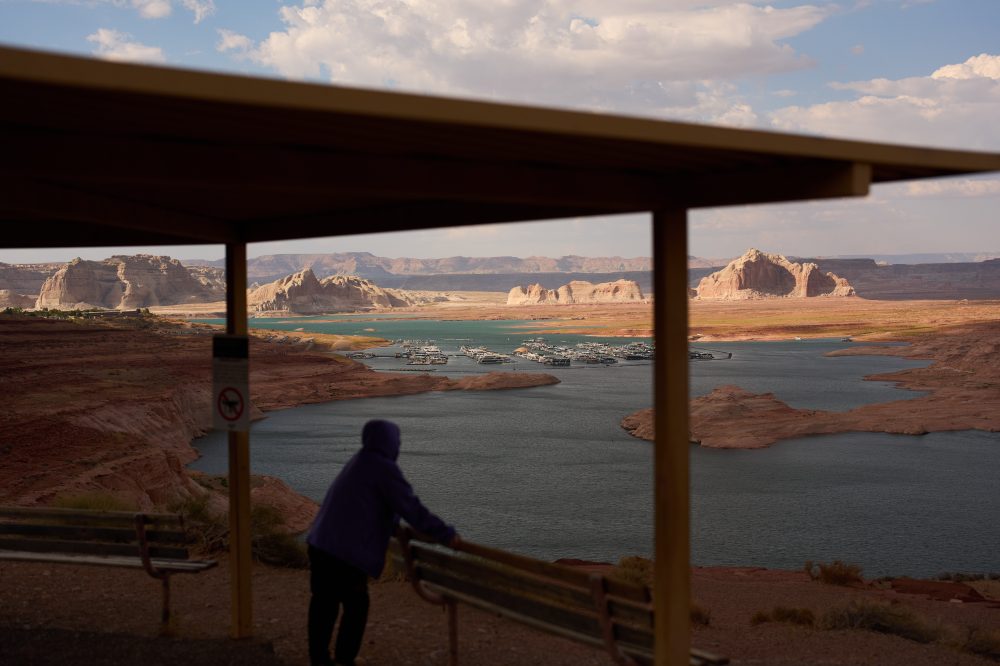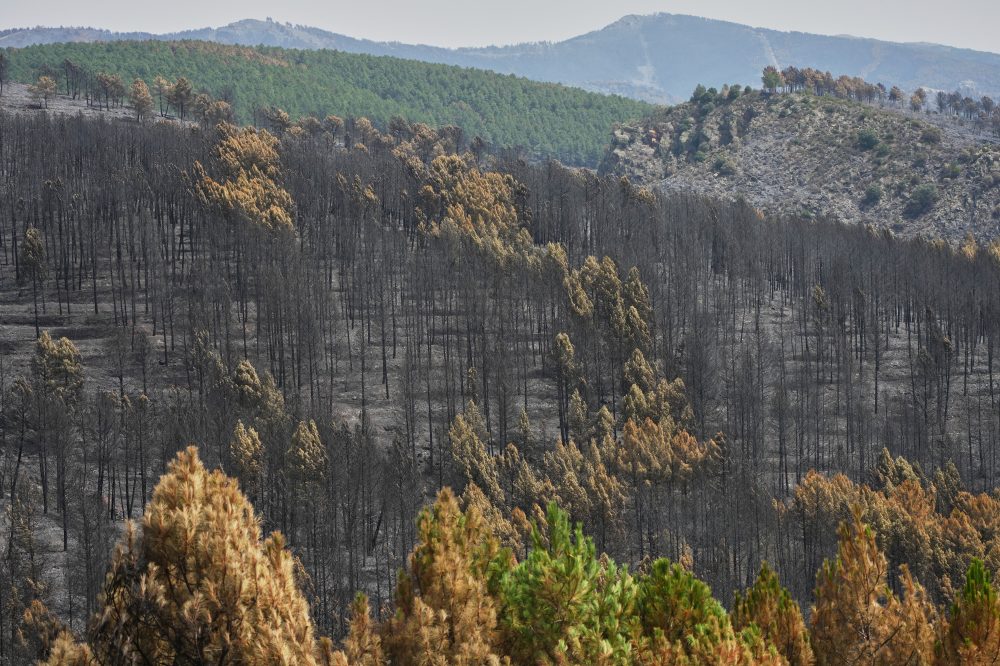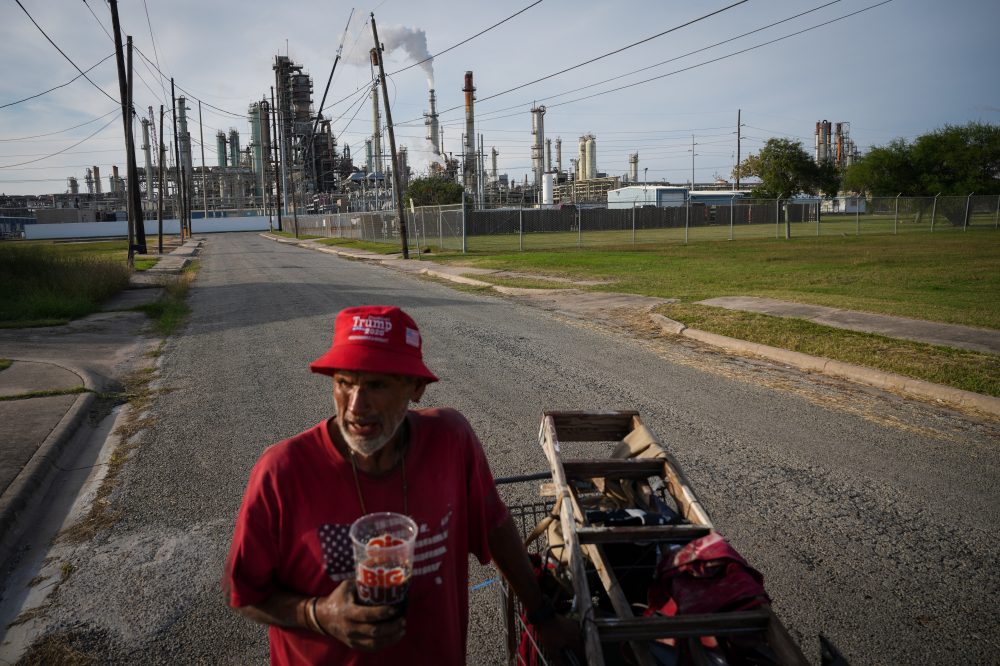

A prolonged drought spanning most of the last seven years has pushed Corpus Christi, Texas to the brink of a water emergency that could impact both its 317,000 residents and the critical oil and gas facilities that help fuel the nation.
The coastal city’s water reservoirs have dropped to unprecedented low levels, forcing officials to explore emergency measures while hoping for significant rainfall that hasn’t materialized. The situation has developed as the city expanded water sales to major industrial clients without adequate backup supply systems in place.
“We just have not kept up with water supply and water infrastructure like we should have. And it’s decades in the making,” explained Peter Zanoni, who has served as city manager since 2019.
The water shortage poses particular concern because Corpus Christi serves as a vital energy hub, housing refineries and petrochemical facilities that manufacture essential products like gasoline and steel for global markets. The region contributes 5% of America’s total gasoline production at a time when Middle East conflicts are already pushing fuel prices higher.
While Zanoni believes the city won’t completely exhaust its water supply, he warns that without substantial precipitation or alternative sources, both residents and industrial operations may face mandatory reductions in water usage.
Current drought conditions have persisted far longer than typical weather patterns. Essential water reservoirs never fully recovered from the previous drought in the early 2010s, leaving the system vulnerable to the current crisis.
“We are actively praying for a hurricane,” said David Loeb, a former city council member, speaking somewhat jokingly. While Loeb doesn’t wish harm on anyone, his experience dealing with past droughts during his council tenure has made him acutely aware of the region’s dependence on storm systems for water replenishment.
Weather forecasts offer little hope for relief before summer arrives, prompting city leaders to urgently pursue additional groundwater sources to prevent an official emergency declaration.
Following the drought of the early 2010s, municipal leaders approved expanding a pipeline system to increase water flow from the Colorado River while encouraging conservation efforts. When water consumption actually decreased in subsequent years, the city welcomed new industrial clients, including a petrochemical facility and steel production plant.
City planners had factored drought scenarios into their calculations, but Zanoni admits they didn’t anticipate the severity and duration of the current dry spell, which struck before reservoirs could fully recharge.
The timing has proven particularly challenging. The pipeline expansion only reached full operational capacity last year after years of delays. Meanwhile, discussions about constructing a seawater desalination facility—a drought-resistant solution proposed in 2016—stalled due to concerns over the $1.3 billion price tag and potential environmental consequences.
“If the then-city council had followed through on that, we would have had that plant up and running by now,” Zanoni noted.
The city has implemented its established water conservation protocol, currently operating under Stage 3 restrictions that prohibit most outdoor water usage. The system begins with Stage 1 voluntary measures like shorter showers and limited lawn watering.
Resident frustration is mounting over lawn watering bans, anticipated sharp increases in water bills, and potential fines, according to Isabela Azaiza, who co-founded a community advocacy group focused on water policy. Many citizens question whether industrial users will face comparable sacrifices.
The city’s drought management plan includes surcharges for high-volume water users among both residential and commercial customers. However, major industrial operations—which Zanoni says consume up to 60% of the city’s water—can choose to pay a permanent additional fee to avoid potentially much higher emergency surcharges during drought periods.
Azaiza criticizes this arrangement as fundamentally flawed. She argues that once industrial users pay the surcharge, they lose any financial motivation to reduce water consumption.
City officials have defended their approach, stating in a written response that industrial customers don’t “get a pass on water conservation” or mandatory reductions. They noted that business surcharges generate approximately $6 million annually.
Bob Paulison, who leads the Coastal Bend Industry Association, disputes suggestions that companies aren’t contributing to conservation efforts. He says member businesses have eliminated landscaping, implemented water recycling for essential cooling operations, and are actively seeking alternative water sources.
No additional fees have been imposed on any users yet.
However, Zanoni warned that water rates could eventually double as the city invests roughly $1 billion in infrastructure improvements—costs that critics argue will primarily benefit industrial users while making basic services more expensive for residents.
The city enters water emergency status when officials calculate just 180 days remain before demand exceeds available supply. After analyzing various scenarios for new water sources and potential drought relief, authorities estimate an emergency declaration could occur anywhere from May to October, or possibly not at all.
Officials have already accessed millions of gallons from new groundwater sources and hope to secure additional supplies.
The most significant potential solution is the Evangeline Groundwater Project, featuring a pipeline network and approximately two dozen wells that could provide enough water to prevent an emergency. While still awaiting state regulatory approval, city leaders hope water could begin flowing by November. These alternative sources present their own challenges, including water quality concerns and fears that excessive pumping might deplete underground aquifers.
If forced to declare a water emergency, the city would gain authority to impose mandatory usage reductions affecting all residents and industrial users equally. Loeb described this as a sensitive decision likely to result in a “knock-down drag-out bloodbath.”
Since residents have already significantly reduced their water consumption, future mandatory cuts would likely impact industrial users more heavily.
“It’ll be an unbelievable disaster,” warned Don Roach, former assistant general manager of the San Patricio Municipal Water District, which serves numerous industrial customers in the region. “When you cut the cooling water off to most of these industries, they just have to shut down. There’s no other way around it.”
Paulison acknowledged that companies producing fuel, polymers, iron and steel “have the least amount of flexibility in just cutting water usage.” However, he expressed optimism that businesses can find ways to reduce consumption, adapt their operations, and continue functioning.
Zanoni believes the city’s current strategies should provide enough time to avoid the worst-case scenarios.
“We are hoping we don’t get there, but we don’t work on hope,” he said.