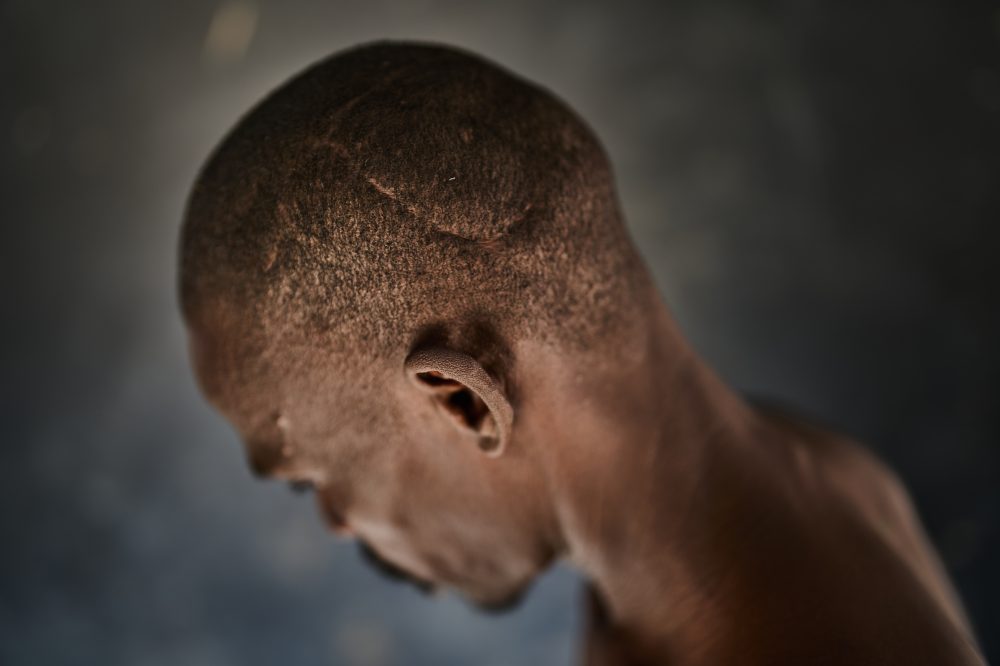

KHARTOUM, Sudan — Three years of war have turned Khartoum into something resembling a ghost town, with the Sudanese capital bearing deep scars from the ongoing conflict between the country’s military and the paramilitary Rapid Support Forces.
Children now wander through an abandoned amusement park surrounded by some of the city’s most recognizable buildings, which have been reduced to hollow shells following repeated attacks. The ground throughout the city is scattered with bullet casings, shrapnel, and unexploded weapons — a constant reminder of the danger that still lingers.
Though the military has retaken Khartoum, fighting continues in other parts of the vast nation, and the possibility of renewed violence has not disappeared.
Throughout the capital’s streets, makeshift burial sites have emerged, and volunteers are now working to exhume the remains. While some of the dead have been identified, thousands of others remain unknown.
For families desperately searching for missing loved ones, one source of hope is the morgue database at Al Nao Hospital — the only facility in Khartoum’s neighboring city of Omdurman that continued operating while the capital was under RSF control. The hospital, which has been bombed multiple times, continues to care for the injured, including a young girl who lost an eye during the conflict.
Since the military recaptured Khartoum last year, officials have been encouraging displaced residents to come back and begin rebuilding some sense of everyday life in the war-torn city.