
Several states wasted no time responding to Wednesday’s Supreme Court decision that severely curtails the consideration of race when creating congressional districts, undermining decades-old civil rights protections that enhanced minority representation in Congress.
The high court’s ruling targeted a predominantly Black congressional district in Louisiana, but its impact is already reverberating across multiple states where officials had been anticipating this exact outcome.
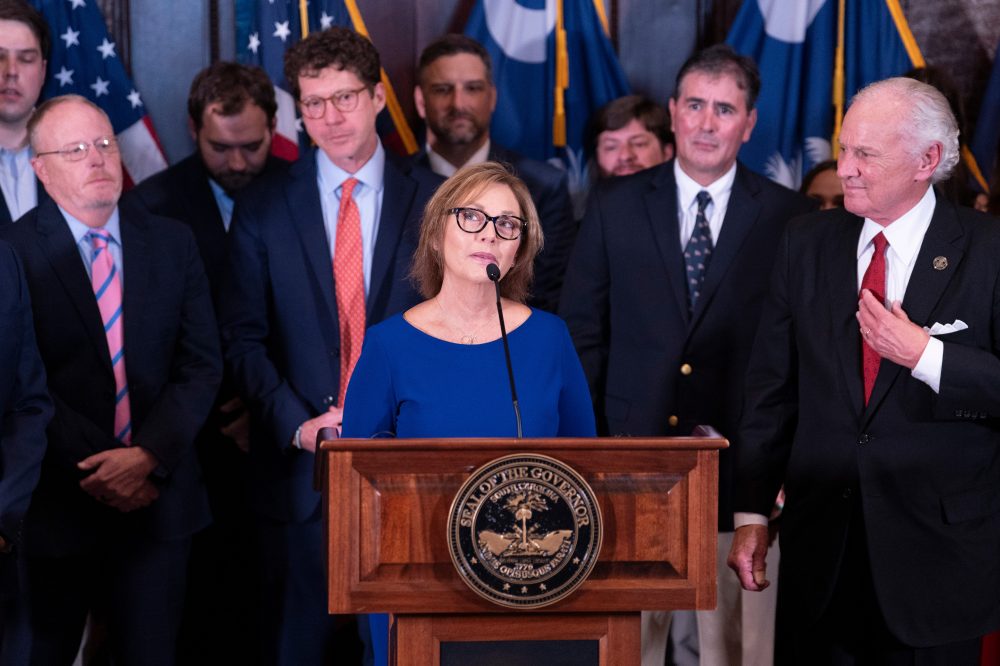
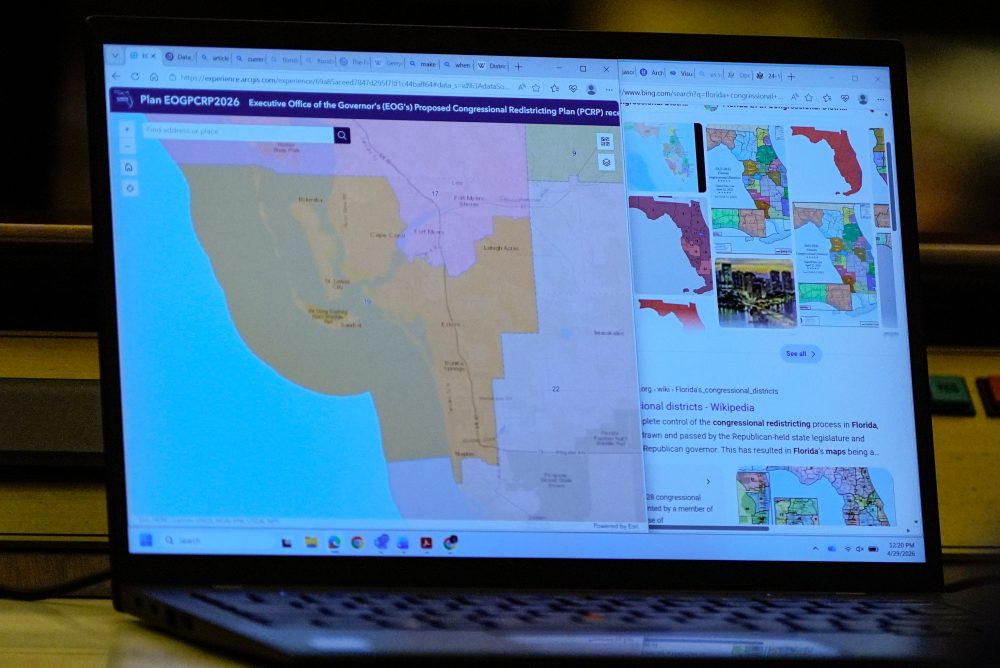
Florida’s Republican-controlled Legislature moved within hours of the decision, passing new congressional maps that could deliver the GOP as many as four extra House seats in upcoming elections. Governor Ron DeSantis had strategically scheduled a special legislative session, betting the Supreme Court would rule in his favor.
DeSantis revealed his proposed House map earlier this week, which restructures a southeastern Florida district he claimed was designed specifically to ensure Black representation under federal voting rights law.
“Properly understood, the Fourteenth Amendment forbids the government from divvying up the citizenry based in whole or in part upon race,” DeSantis stated in his Monday correspondence to state legislators.
Florida voters passed a constitutional amendment in 2010 that prevents districts from being designed to weaken racial or language minorities’ voting power. However, DeSantis has maintained this amendment conflicts with federal constitutional law.
Ruth Greenwood, who heads Harvard Law School’s Election Law Clinic, cautioned that the Supreme Court’s decision doesn’t automatically invalidate state constitutional safeguards against racial discrimination in voting districts.
Mississippi Governor Tate Reeves had already announced plans for a special legislative session to redesign the state’s Supreme Court districts, scheduled to begin three weeks after the federal court ruling. A federal judge previously mandated Mississippi redraw these districts after determining they violated the Voting Rights Act by weakening Black voter influence.
Reeves indicated in his announcement that the Supreme Court’s guidance would help lawmakers understand whether “race-conscious redistricting” contradicts constitutional principles.
Louisiana legislators postponed their primary elections from April to May, expecting to need time to respond to the Supreme Court’s decision on their congressional maps. With early voting beginning Saturday, it remains uncertain whether the Republican-led legislature can modify districts before November’s general election.
House Speaker Phillip DeVillier and Senate President Cameron Henry released a joint statement saying they’re examining the ruling and consulting advisors to “determine next steps to be taken in the best interests of Louisiana voters and our state.” Governor Jeff Landry similarly announced he’s discussing options with legislative leaders.
Alabama faces a complex situation, as a federal court in 2023 mandated creation of a new district with a near-majority Black population, resulting in the election of the state’s second Black House representative. While Alabama must use this map through 2030, a pending Supreme Court appeal challenges it as illegal racial gerrymandering.
Alabama Attorney General Steve Marshall welcomed Wednesday’s Louisiana decision, stating he will “act as quickly as possible to apply this ruling to Alabama’s redistricting efforts and ensure that our congressional maps reflect the will of the people, not a racial quota system the Constitution forbids.”
Governor Kay Ivey noted the state isn’t positioned for an immediate special session, with primaries scheduled for May 19.
In Tennessee, where the legislative session concluded last week, Republican Senator Marsha Blackburn called via social media for lawmakers to reconvene and redraw the state’s sole Democratic congressional district to favor Republicans. This district encompasses Memphis, which has a Black majority population.
Tennessee’s Republican legislative leaders acknowledged discussing redistricting possibilities, though Senate Speaker Randy McNally highlighted logistical hurdles since candidate filing deadlines have passed and the primary approaches in August.
“With the filing deadline passed and qualified candidates already running for election, redistricting congressional seats at this time would present several logistical challenges,” McNally explained.
Illinois Democrats, anticipating the Supreme Court might weaken voting rights protections, approved a proposed state constitutional amendment last week that would safeguard race-based redistricting. The measure prioritizes creating districts where voters can elect representatives of their choice “on account of race,” ranking minority-majority districts above geographical considerations.
However, Senate President Don Harmon announced Wednesday the amendment won’t advance this session, allowing legal experts time to analyze the court’s decision.
“The last thing we want is to act in haste and risk unintended consequences down the road,” he stated. “Too much is at stake for too many.”