
GWACHEON, South Korea (AP) — South Korea’s top justice official has committed to improving judicial access for those harmed by government-sponsored abuses, particularly international adoptees who endured adoption processes corrupted by extensive fraud during earlier military administrations.
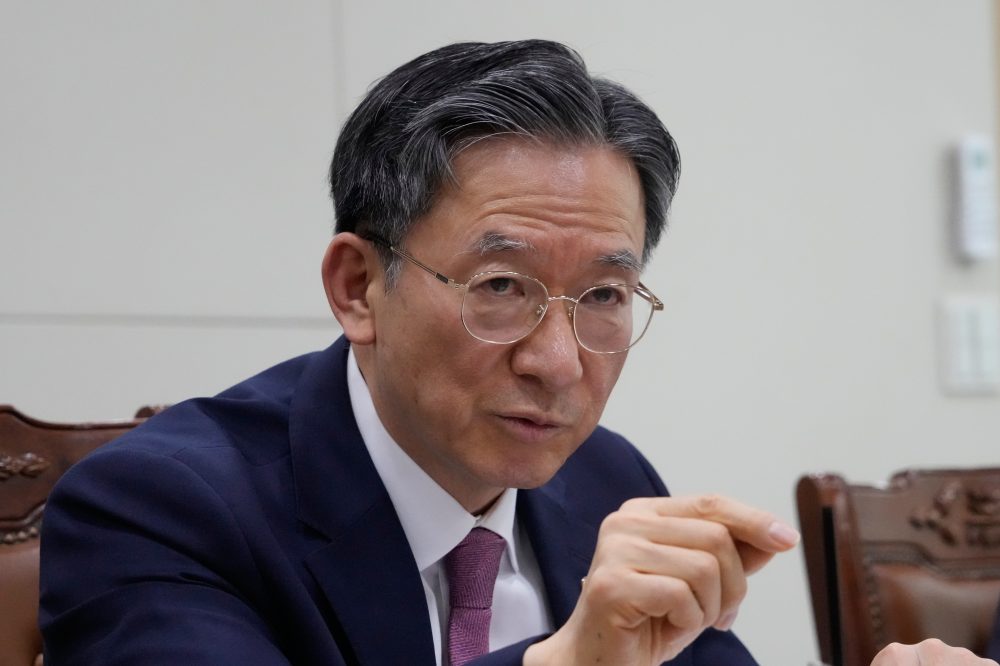
In remarkably harsh terms for a high-ranking South Korean government figure, Justice Minister Jung Sung-ho characterized the nation’s historical adoption practices as “forced child trafficking.” He announced that authorities will mostly avoid challenging court decisions in compensation cases filed by abuse victims. Jung made these statements during a Thursday roundtable discussion with select media representatives.
Numerous Korean adoptees living in Western countries have already asked a fact-finding panel examining historical human rights violations to investigate their situations. This commission was restarted in February following the expiration of its prior authorization in November. The previous Truth and Reconciliation Commission determined that government officials were accountable for an adoption system plagued by corruption and misconduct, motivated by desires to reduce social welfare expenses and executed by state-approved private organizations that routinely falsified children’s backgrounds.
Many adoptees are hopeful the commission’s discoveries will establish legal foundations for compensation lawsuits targeting the government or adoption organizations. However, other government abuse survivors acknowledged by the commission have frequently faced extended court proceedings after state attorneys challenged favorable verdicts, referencing expired limitation periods or questioning the commission’s conclusions.
President Lee Jae Myung delivered an apology in October regarding South Korea’s historical adoption issues.
Jung, who maintains close ties with Lee, stated the administration is prepared to broaden legal remedies and accelerate compensation for government abuse victims whose situations have received commission verification.
Through new legislation that became effective in February, abuse victims now have a three-year period to file damage claims even after limitation periods have lapsed. Jung’s department, which defends the government in legal proceedings, announced last week its intention to withdraw time-based appeals in over 800 cases.
Jung indicated his department will apply similar methods to future adoptee lawsuits.
“Once the truth commission firmly establishes the basic facts (regarding the abuses), we intend to cooperate to ensure the process moves swiftly,” Jung said.
Several adoptees, including Yooree Kim, who was placed with a French family in 1984 without her birth parents’ approval and reports suffering abuse from her adoptive parents, have pursued compensation through the state compensation system. This framework theoretically permits victims to seek claims without prolonged legal proceedings. However, despite having four weeks to decide on requests, the Justice Ministry has delayed responses for over six months, according to adoptees’ attorney Choi Jung Kyu.
Jung promised to direct staff members to resolve these delays but doesn’t believe a separate expedited compensation system is necessary, despite advocacy group recommendations.
From the 1970s through the early 2000s, South Korea annually sent thousands of children to the United States, Europe and Australia, reaching a high point of over 6,000 yearly during the 1980s. Military leadership at that time viewed population increases as major obstacles to economic objectives and considered adoptions a method to decrease the population requiring government support.
The earlier truth commission’s conclusions matched previous Associated Press reporting. AP investigations, conducted with Frontline (PBS), utilized thousands of documents and numerous interviews to demonstrate how South Korea’s government, Western nations and adoption agencies collaborated to send approximately 200,000 Korean children abroad, despite ongoing evidence that many were obtained through corrupt or illegal practices.
Jung also addressed initiatives to fight trafficking and forced labor at salt production facilities and other locations, plus widespread mistreatment of migrant workers, which has generated persistent criticism of South Korea’s exploitation of some of Asia’s most vulnerable populations.
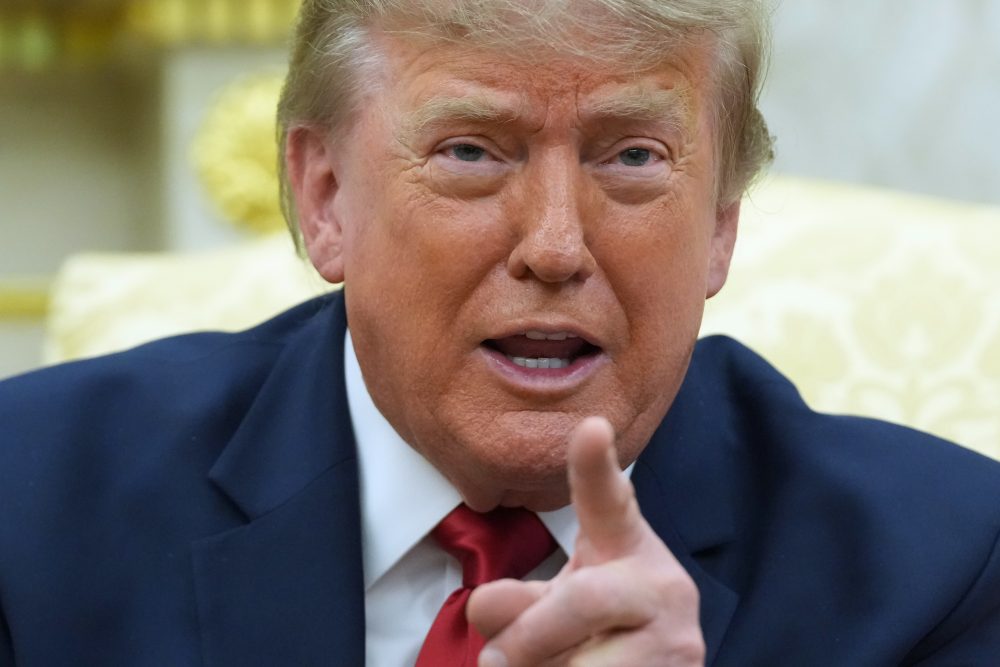
These concerns have become more pressing following the Trump administration’s launch of investigations last month into dozens of nations accused of inadequately addressing forced labor.
This action was part of efforts to establish new tariffs and trade restrictions after the U.S. Supreme Court overturned President Donald Trump’s previous tariffs based on emergency authorities. The United States also blocked imports from a major South Korean salt facility accused of utilizing slave labor last year, marking the first trade partner to impose punitive measures against a decades-old problem at salt farms on islands near the country’s southwestern coast.
Jung pledged to intensify efforts to “uproot” trafficking and labor violations, including directing prosecutors to pursue stronger penalties for infractions and enhancing oversight of businesses employing foreign workers.
“We cannot monitor every corner of the private sector, but I think we are capable of supervising these matters more thoroughly than almost any other country,” Jung said.