
HAVANA — Cuba’s national power grid collapsed again on Tuesday, plunging the entire country into darkness for the third time in just two weeks, according to government officials. The repeated failures come as a U.S. oil embargo continues to strain the island’s already fragile energy infrastructure.
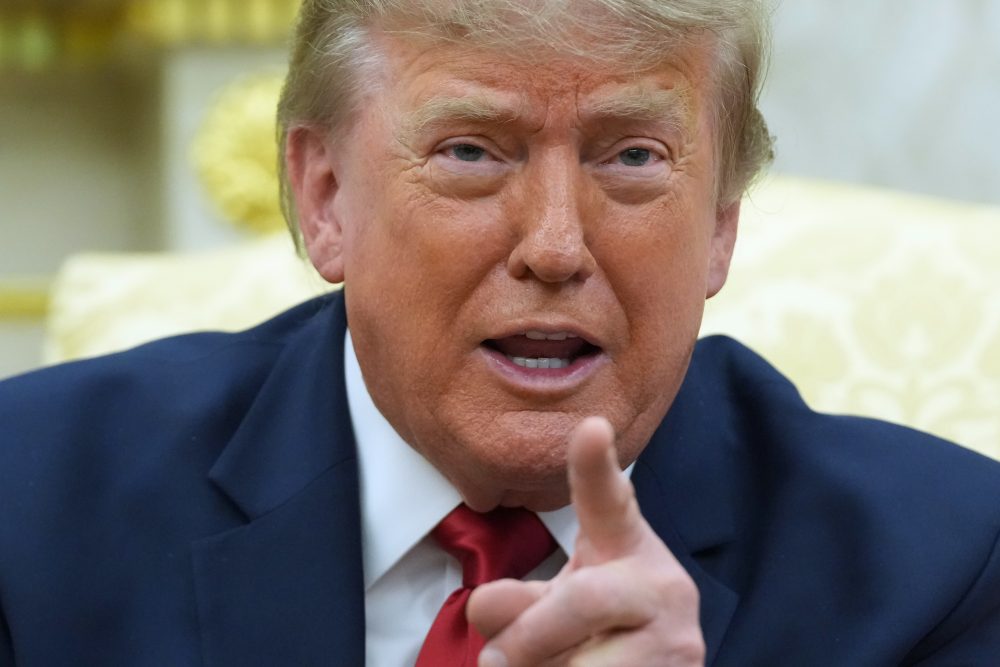
The fuel shortage gripping Cuba has been worsening since January, when U.S. President Donald Trump threatened tariffs against any nation that supplies oil to the island. That move deepened an already severe economic and financial crisis. Public transit has largely ground to a halt, and officials have been forced to cancel tens of thousands of scheduled surgeries.
Cuba currently produces only 40% of the fuel it requires to function, and no clear solution for restoring fuel imports appears to be on the horizon.
The state-run Electric Union said the blackout was triggered around midday by a malfunction in a generating unit located in the eastern province of Holguín, which caused what it described as “a sudden frequency change” that brought down the entire National Electric System, known as the SEN.
Both the Ministry of Energy and Mines and the Electric Union said “protocols for its restoration have been activated,” with so-called “micro-islands” of power being established and gradually linked together to restore electricity to critical locations, including hospitals and food processing facilities.
By afternoon, some neighborhoods in the capital city of Havana had their power restored, which The Associated Press confirmed on the ground. Authorities noted that roughly 4% of the city had received electricity by that point. The provinces of Guantánamo and Cienfuegos reported beginning to restore power to their hospitals, while Matanzas confirmed electricity had returned to its historic city center.
The previous week saw two separate nationwide blackouts — one on Monday and another on Friday — that left more than 9 million Cubans without electricity. Those incidents followed two additional blackouts in March, along with several regional outages across the country.
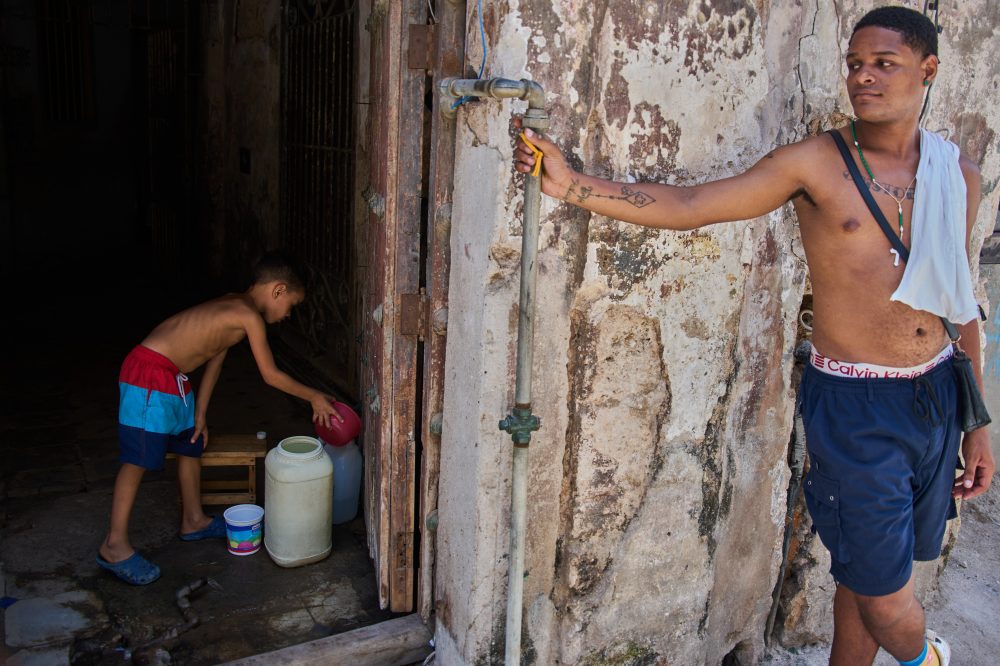
The cascading power failures are taking a heavy toll on everyday life. Beyond the energy embargo itself, the outages have contributed to transportation breakdowns, shortened work hours, and flight cancellations, while also creating serious public health concerns. Basic needs such as cooking meals, accessing clean water, and using internet or phone service have all been disrupted.
For many Havana residents, the latest blackout came as no surprise. “These blackouts are normal in Cuba now. If something else happened, it would be strange,” said Roberto Liana, 69, a retail store clerk.
Others are finding ways to cope with the new reality. Sayli Aguilera, 25, a mother of two, described how her family is getting by: “We’re improvising and doing what we can.”
Across the country, many households have turned to solar backup solutions — including panels and portable battery systems — to keep the lights on. Electric motorcycles and tricycles powered by solar energy have also become the primary way many Cubans get around.