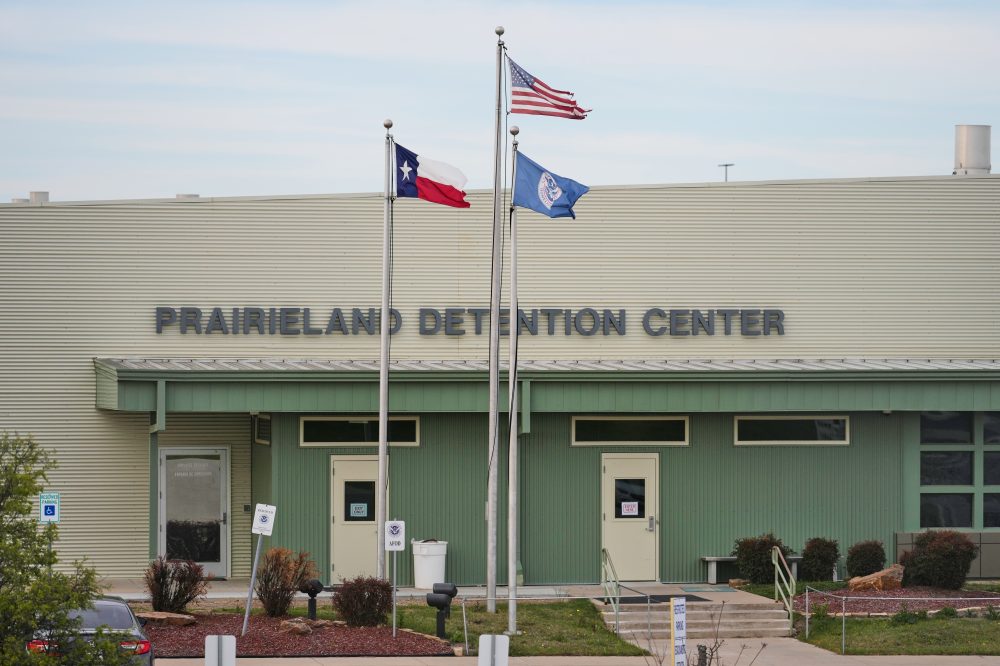

DALLAS (AP) — Federal courts in Texas continued sentencing proceedings Wednesday for additional defendants connected to a shooting outside a Dallas-area immigration detention facility, a case that has already produced some of the stiffest prison sentences handed down in recent memory.
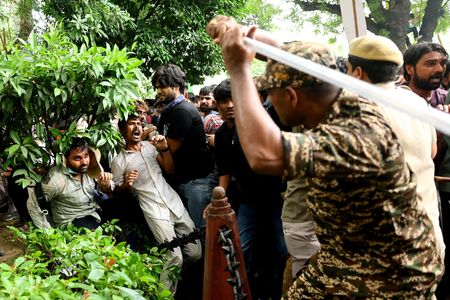
The sentencing hearings come nearly a year after the incident last July outside the Prairieland Detention Center near Dallas, in which a police officer was wounded. During the demonstration — held in protest of President Donald Trump’s immigration enforcement policies — members of the group also set off fireworks.
More than a dozen individuals have now been convicted or entered guilty pleas in connection with the shooting. The U.S. Justice Department has alleged the attack was carried out by members of the leftist militant group antifa. Defense attorneys, however, have rejected those claims, and family members of the convicted have expressed disbelief at the severity of the sentences.
Last week, U.S. District Judge Reed O’Connor described the protest as an “assault on democracy” before he and another judge sentenced eight demonstrators who had been found guilty by a federal jury on terrorism charges. Those sentences ranged from 30 to 70 years in prison.
Benjamin Song, a former U.S. Marine reservist convicted of attempted murder in the shooting, received a 100-year prison sentence.
On Wednesday, six additional defendants faced sentencing after choosing to plead guilty rather than go to trial. Each entered a guilty plea to one count of providing material support to terrorists. Among them was a man who testified during the earlier trial that he spray-painted a guard shack and vehicles in the parking lot. Those defendants face sentences of up to 15 years in prison.
Also awaiting sentencing Wednesday was Ines Soto, who was convicted at trial and faces up to 60 years in prison on charges of providing material support to terrorists, riot, and explosives-related offenses. Soto’s wife was also convicted in the case. At trial, attorneys for the couple argued they arrived late to the scene and left once confronted by guards.
Defense attorneys have maintained throughout the past year that there was no planned ambush, and that any protesters who brought firearms did so strictly for personal protection. They described the gathering as a planned late-night demonstration with fireworks intended to show solidarity with immigrants.
Prosecutors, however, argued that the group’s preparations — including bringing firearms, first aid kits, and body armor — demonstrated clear intent to commit violence.
The case has drawn significant national attention from civil liberties advocates, who warn the prosecutions could have far-reaching consequences for the right to protest and free speech protections under the First Amendment.