
A courtroom battle commencing Monday in New Mexico has the potential to fundamentally alter how Facebook, Instagram, and WhatsApp function — changes so significant that Meta Platforms has suggested it might cease operations in the state entirely.
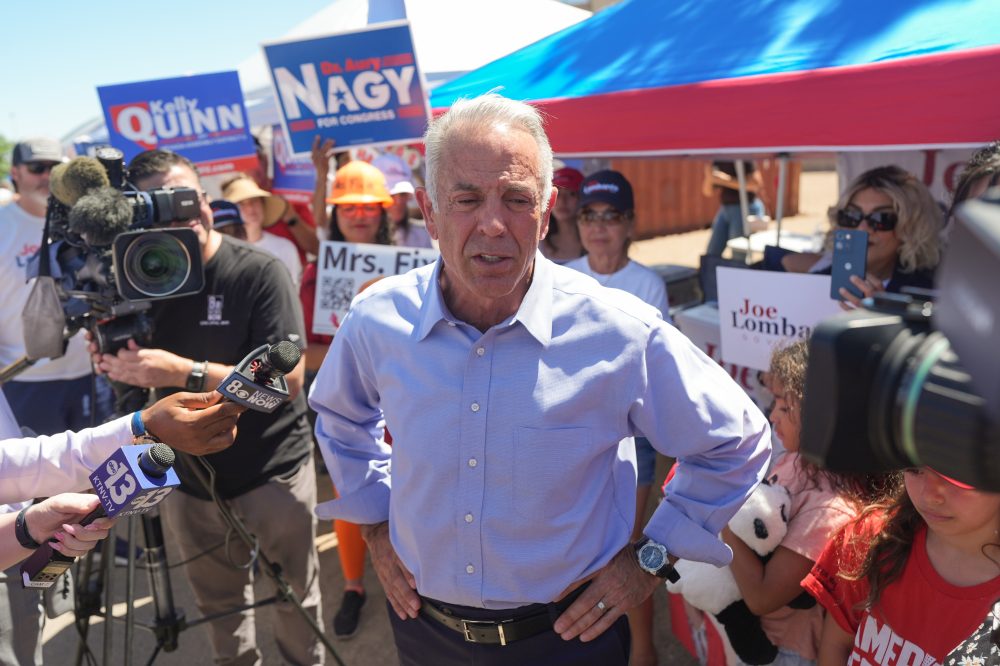
The proceedings in Santa Fe represent the continuation of legal action initiated by New Mexico’s Attorney General Raúl Torrez, a Democrat, who alleges the tech giant deliberately engineered its services to create addiction among youth while inadequately safeguarding minors from sexual predators using the platforms.
The central question before the court is whether Meta’s social media services constitute a “public nuisance” according to New Mexico statutes. Such a determination would empower the presiding judge to mandate extensive reforms designed to reduce purported dangers to underage users. Legal experts nationwide are monitoring this case closely as numerous states, local governments, and educational institutions pursue comparable litigation aimed at industry-wide transformation.
This week’s proceedings represent the second stage of New Mexico’s legal challenge. Earlier in March, a jury determined that Meta had violated state consumer protection regulations by mischaracterizing the security of Facebook and Instagram for younger demographics. The jury assessed $375 million in financial penalties against the corporation.
Concerns regarding youth safety across social media platforms have intensified over recent years. This past Wednesday, Meta cautioned shareholders that regulatory and legal consequences in both the European Union and United States “could significantly impact our business and financial results.”
According to legal documents, Torrez’s legal team plans to pursue additional billions in monetary damages alongside court orders mandating substantial platform modifications for New Mexico residents.
Meta maintains it has already responded to numerous state concerns and implemented comprehensive protections for young users. Company attorneys argued in recent filings that many requested modifications are technically unfeasible and could compel complete withdrawal from the state.
“The New Mexico Attorney General’s focus on a single platform is a misguided strategy that ignores the hundreds of other apps teens use daily,” a Meta spokesperson said in a statement ahead of the trial. “Rather than providing comprehensive protections, the state’s proposed mandates infringe on parental rights and stifle free expression for all New Mexicans.”
Judge Bryan Biedscheid will determine whether Meta’s business practices satisfy legal criteria for public nuisance designation under state law, potentially enabling court-imposed corrective measures.
Public nuisance claims address conduct that unreasonably threatens community health and welfare. Traditional applications include road obstructions, water contamination, or toxic emissions. State authorities have expanded this legal framework in recent years to challenge various industries, including tobacco manufacturers, opioid distributors, climate change contributors, and vaping companies, according to USC Gould School of Law Professor Adam Zimmerman.
New Mexico’s lawsuit joins an expanding collection of cases alleging Meta and competing social media corporations deliberately craft addictive products targeting young people. While numerous families have filed individual injury claims, more than 40 additional states and over 1,300 school systems have initiated similar public nuisance litigation seeking court-mandated reforms and financial compensation.
State officials plan to request judicial orders requiring Meta to implement age verification systems, redesign algorithms promoting quality content for minors, and eliminate autoplay features and endless scrolling for underage users.
“It will be an opportunity for us to explore more deeply the size and scale and effectively the monetary value of the public nuisance harm that was a product of this business’s behavior for the last, you know, 10 or 15 years,” Torrez told reporters at a press conference on Thursday ahead of the trial.
Meta’s legal team contends the company cannot have generated a public nuisance because it has not disrupted public rights. The corporation also disputes scientific evidence linking social media usage to mental health issues, characterizing many state demands as “technologically impractical or completely impossible.”
Under public nuisance law, states may seek monetary compensation to address identified harms. Such amounts could prove substantial when alleged impacts affect broad population segments. Torrez’s office has not specified the exact financial recovery it will pursue.
Meta revealed in court documents that New Mexico intends to seek $3.7 billion in damages to finance a 15-year mental health initiative including new medical facilities and healthcare provider recruitment — a demand the company claims would require funding mental health services for all state teenagers regardless of underlying causes.