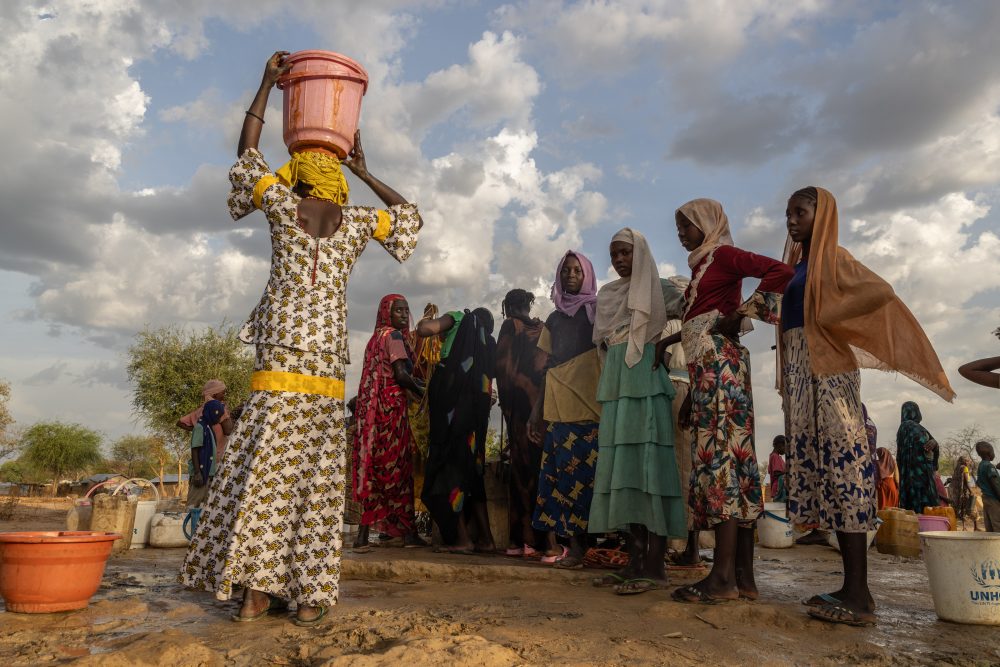

KHARTOUM — In the year since Sudan’s military recaptured its capital city from a paramilitary group that had seized control at the beginning of the country’s civil war in 2023, more than two million of the five million people who abandoned their Khartoum homes have made their way back.
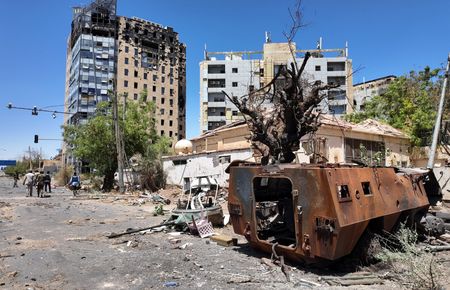
Despite government promises of a swift return to normalcy following the military victory, the reality on the ground tells a different story. Electricity remains largely unavailable, structures damaged during the fighting still stand in disrepair, and many workers have not received their paychecks. A number of returnees say they came back not by choice, but out of desperation — driven home by a crackdown on refugees in neighboring Egypt.
The government had relocated its ministries and administrative offices to the coastal city of Port Sudan during the conflict. Officials have since ordered civil servants back to their desks in Khartoum. Students, who had been allowed to attend classes online and sit for exams at temporary locations in other cities or even overseas, have now been directed to return to their school buildings.
Nisreen Altayeb was among those who escaped to Egypt with her family. She made the decision to return after authorities there began cracking down on refugees around the beginning of this year.
“We left Sudan in the first place because of the lack of security, but then we started finding the same thing. It wasn’t safe in Egypt,” Altayeb said.
When word spread that conditions back home were improving, she and her family chose to return. Now she is trying to resume her career as a schoolteacher, but like many other government employees, she has yet to receive even her modest salary.
LIMITED SIGNS OF RECOVERY
Whatever recovery has taken shape has been largely confined to Omdurman, Khartoum’s neighboring city on the other side of the White Nile, where the army had kept a partial foothold throughout the conflict. Khartoum itself, along with Bahri city to the north, continues to operate with little to no electricity or basic services.
The RSF paramilitary group has kept up drone attacks on power stations and military sites around the capital, making the road to recovery even harder.
Altayeb Saadeldin, a spokesman for the Khartoum state government, said those ongoing strikes have reduced the capital’s electricity supply to just one-third of what it was before the war.
“That third is being distributed so we can provide people for 8 hours a day,” he said.
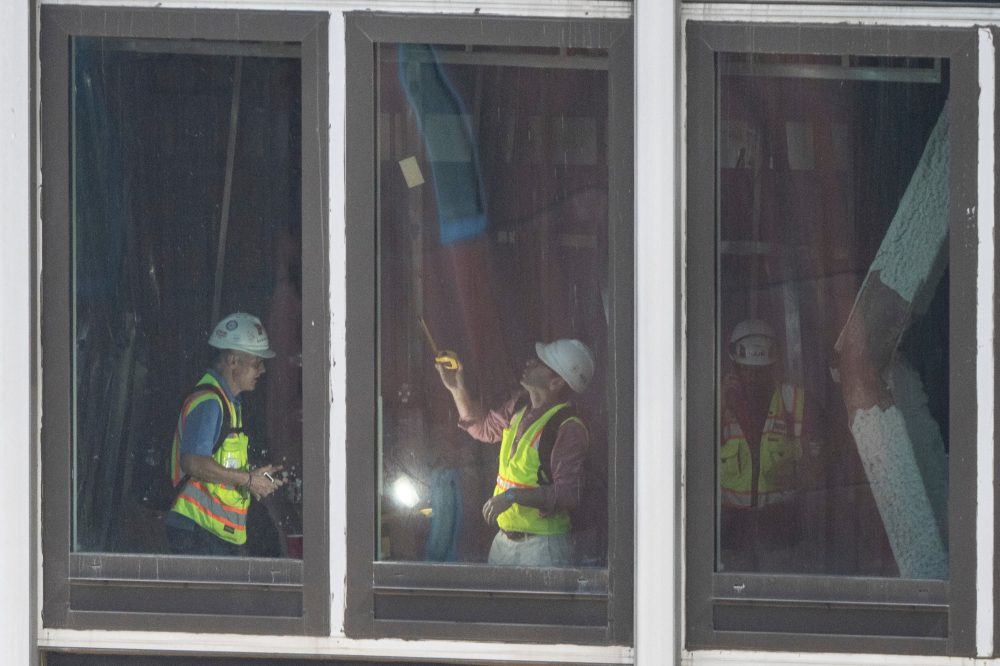
The University of Khartoum sits in one of the most heavily damaged sections of the city. Students who were told to return for in-person classes and exams have arrived to find laboratories, lecture halls, and dormitories still bearing the scars of war.
“The city needs work just like the university needs work,” said student Megdad Kammal.
University administrators say repair and rehabilitation work is underway ahead of the new semester expected later this year.
SMALL BUSINESSES CAUGHT IN THE MIDDLE
Small business owners have also felt pressure to reopen, especially in Khartoum’s Souq al-Arabi, a large central marketplace that became a battlefield and was left riddled with land mines when the RSF pulled out.
While the authorities have resumed collecting taxes and other fees, many business owners say they still lack access to basic necessities like electricity.
“Our income is very low right now. They need to help us to come back, to encourage us to come back,” said Mohamed Abdelbasit, who runs a print shop. He argued that tax collection should be put on hold to give shopkeepers a chance to cover their expenses.
Saadeldin, the state government spokesman, acknowledged that some payment deferrals are being granted on a case-by-case basis. However, he noted that the cash-strapped state still needs revenue to keep basic services running, including public safety and the sewage system.