
Crude oil markets surged Friday morning as investors reacted to heightened military activity in the Middle East, with Iran demonstrating its control over a critical shipping route that handles a fifth of the world’s oil and gas traffic.
Brent crude climbed $1.23 to reach $106.30 per barrel, marking a 1.17% increase by early morning trading, while West Texas Intermediate gained $1.07 to $96.92, up 1.12%.
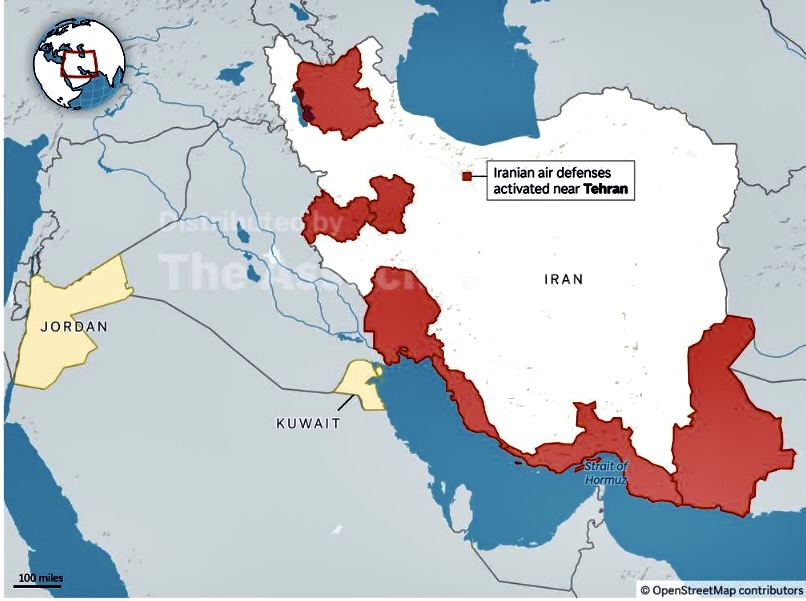
Thursday’s trading session saw both oil benchmarks close with gains exceeding 3%, surging $5 per barrel following reports of air defense systems activating over Tehran and internal political tensions between Iran’s hardline and moderate factions.
President Donald Trump commented that Iran might have enhanced its military capabilities “a little bit” during a recent two-week ceasefire period, while asserting that American forces could neutralize such weaponry within 24 hours.
According to analysis from Haitong Futures, the current ceasefire appears to be serving as preparation for potential warfare. The firm warned that if diplomatic discussions between the United States and Iran don’t achieve significant breakthroughs by month’s end and hostilities resume, oil markets could reach new annual peaks.
Following the breakdown of peace negotiations Thursday, Iran broadcast footage showing special forces in speedboats taking control of a massive cargo vessel, demonstrating Tehran’s dominance over the Strait of Hormuz waterway.
While global leaders and investors seek lasting peace, Trump indicated he wouldn’t establish a specific timeline for resolving the Iranian conflict, expressing his desire to negotiate “a great deal.”
“Don’t rush me,” Trump responded when questioned about his patience for achieving a comprehensive peace agreement with Iran.
Energy analyst Mingyu Gao from China Futures warned that extended disruptions to Strait of Hormuz shipping could drive worldwide crude oil and refined product stockpiles below typical five-year seasonal minimums by late May or early June, potentially adding supply shortage premiums to oil pricing.
In a Thursday social media announcement, Trump revealed that Israel and Lebanon had agreed to a three-week ceasefire extension following high-level discussions between both nations’ representatives at the White House.
Prior to this development, Israeli officials had indicated readiness to resume military operations against Iran.