
A temporary truce in the Middle East conflict involving Iran has reignited discussions about whether the Federal Reserve might lower interest rates before the year ends, though economic uncertainty remains high.
The two-week ceasefire agreement has somewhat reduced worries about rising inflation, leading financial markets to reconsider the likelihood of rate cuts. However, oil prices continue trading roughly 30% higher than before the conflict began, making any policy changes far from certain.
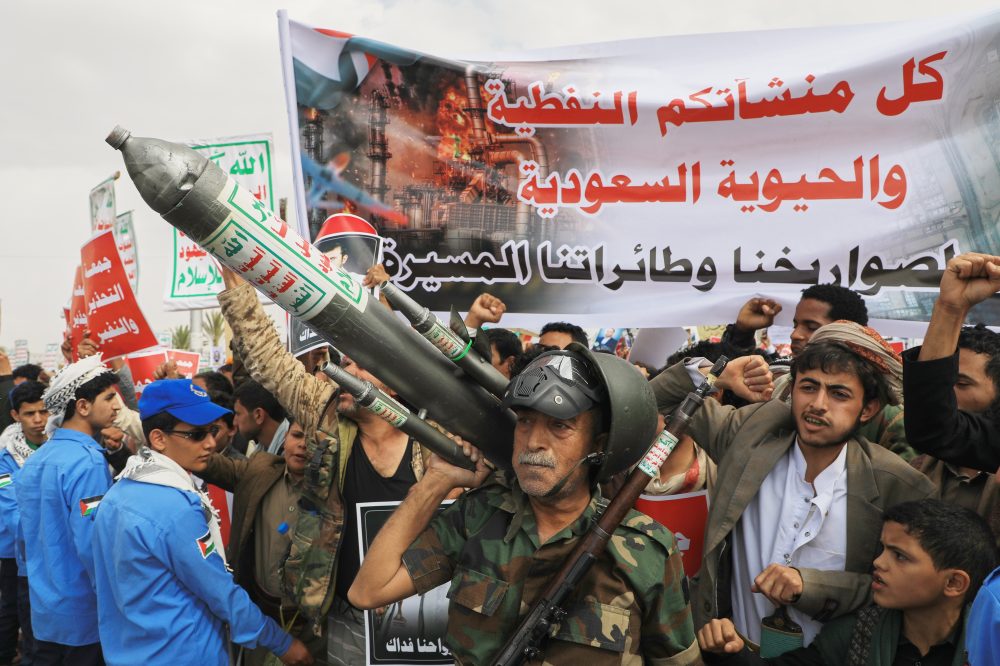
On Wednesday, traders analyzed how a potential long-term peace settlement and the reopening of critical shipping routes through the Strait of Hormuz might impact the economy. Yet ongoing military actions, including Israeli strikes in Lebanon and an Iranian attack on a Saudi oil pipeline, highlight the fragile nature of the temporary agreement.
Recent Federal Reserve meeting minutes revealed that some central bank officials believe they should remain open to raising rates if inflation continues at elevated levels. Upcoming economic data is expected to show March consumer prices increased at the fastest rate since the 2022 inflation peak that triggered the Fed’s aggressive rate hiking campaign.
Federal Reserve officials have indicated that short-term inflation spikes alone wouldn’t necessarily drive policy changes. However, if conflict continues and prices remain high enough to strain household budgets, policymakers could face a challenging decision between maintaining high rates to combat inflation or cutting them to support economic growth.
With American negotiators traveling to Pakistan for peace discussions this weekend, market participants are taking a cautious approach. Current interest rate futures suggest approximately a 25% probability of a U.S. rate reduction by December’s end. This represents a significant drop from the 65% chance markets initially priced in following the ceasefire announcement, though it’s still a notable shift from pre-ceasefire expectations when traders had factored in potential rate increases.
“With conditions much less likely to pressure the Fed to hike this year, we think the market should be pricing in closer to one full cut in the U.S.,” wrote Evercore ISI’s Krishna Guha.
International markets showed more dramatic shifts in central bank expectations following the ceasefire news, with traders reducing bets on multiple rate increases by both the European Central Bank and Bank of England.
San Francisco Federal Reserve President Mary Daly addressed the situation Wednesday during remarks to the St. George Area Chamber of Commerce in Utah, though she avoided focusing heavily on the ceasefire’s policy implications.
Daly emphasized it was premature to determine how the Iranian conflict and elevated oil prices might affect the broader economy, noting the outcome depends largely on the conflict’s duration.
“There’s a concern that maybe this will push inflation up: that’s our job, we’ll focus on that,” she said. “And there’s a concern that maybe the labor market isn’t as solid, but we’re not seeing that, we’re seeing it kind of settle at a good place.”