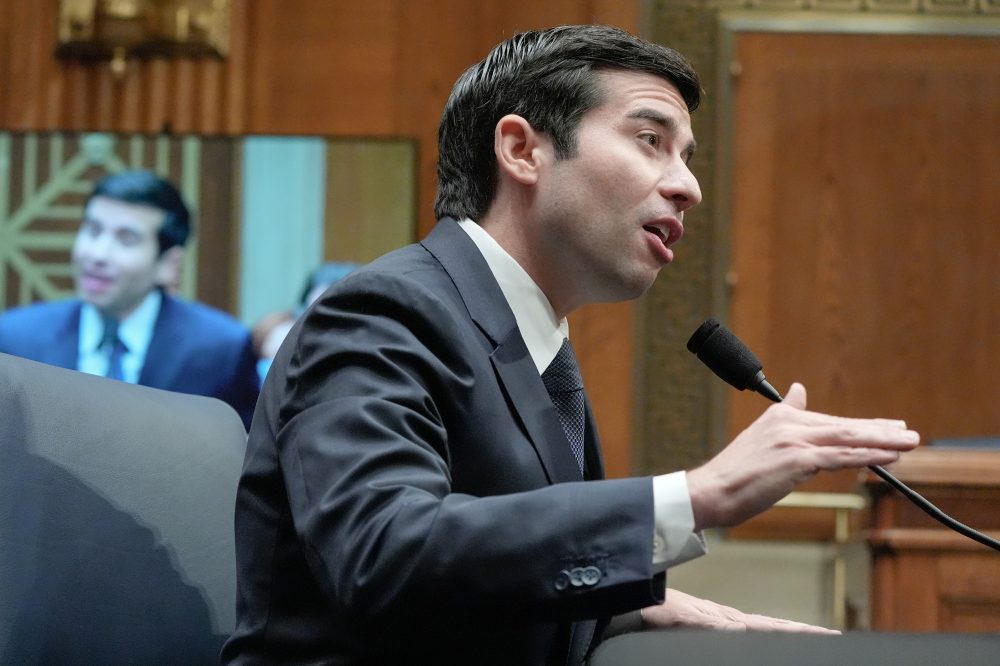

Mexico’s President Claudia Sheinbaum announced Wednesday that Roberto Velasco will take over as the nation’s foreign minister during a particularly tense period in U.S.-Mexico diplomatic relations.
Velasco, who currently serves as the foreign ministry’s North America subsecretary and is recognized as a leading authority on bilateral U.S. relations, will replace Juan Ramón de la Fuente. The outgoing minister, a 74-year-old psychiatrist and key advisor to Sheinbaum, asked to resign due to health concerns, according to a statement posted on social platform X by the president’s office.
The incoming foreign minister is a 38-year-old attorney who holds a master’s degree in Public Policy from the University of Chicago. Over the past six years, he has been deeply involved in Mexico’s diplomatic efforts with both the United States and Canada, initially serving as North America general director before advancing to his current subsecretary position. He temporarily filled in for De la Fuente following the minister’s surgery last year. The Senate must confirm his appointment.
Diplomatic observers view Velasco as among the most knowledgeable officials regarding the complex details of cross-border relations, having worked through the conclusion of President Trump’s initial presidency and now into his second term. He has spearheaded multiple bilateral and trilateral discussions covering security issues, immigration policy, economic matters, border management, and shared water resources.
Following Trump’s return to office, Velasco became De la Fuente’s primary deputy during increasingly strained relations between the neighboring countries, which have reached one of their most challenging phases. Questions remain about whether the younger official possesses sufficient political influence to navigate these difficult circumstances.
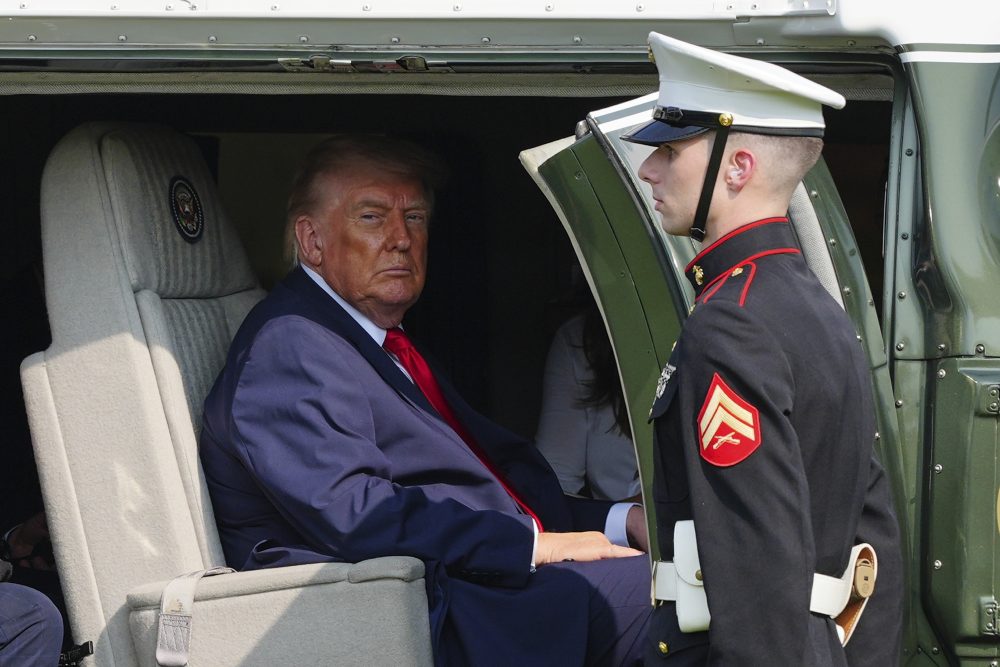
The new foreign minister will oversee Mexican diplomatic efforts during upcoming discussions to modify the U.S.-Mexico-Canada Free Trade Agreement, while managing Trump’s ongoing pressure regarding cartel operations. This comes as the U.S. president has demonstrated readiness to consider military action against nations he views as adversaries, including Cuba, which maintains close ties with Mexico.
Earlier in his career, Velasco worked as a spokesman for Marcelo Ebrard, who now serves as economy secretary, during Ebrard’s tenure as foreign minister in the initial years of former President Andrés Manuel López Obrador’s term.
De la Fuente, who held the foreign minister position since October 2024, earned recognition for his diplomatic approach and negotiation abilities. He supported Sheinbaum during the presidential transition, met with representatives from then-President Joe Biden’s administration, and oversaw preparations across the U.S. consular system for the deportation policies Trump announced.
After the Republican president took office in January 2025, De la Fuente emerged as a central figure in discussions with the new administration, consistently maintaining a reserved public presence while staying closely aligned with Sheinbaum’s careful response strategy to Trump’s frequent social media statements. Last September, he welcomed U.S. Secretary of State Marco Rubio to Mexico City for official talks.
Arturo Sarukhan, who previously served as Mexico’s ambassador to the United States, commented that “the reshuffle in the foreign ministry was long overdue” but declined to offer specific remarks about Velasco, saying he wished him success in the role.