
Maryland has moved forward with an ambitious environmental restoration effort, announcing 37 specific projects that will receive more than $22 million in combined funding through the state’s Whole Watershed Program.
The comprehensive initiative focuses on five critical waterways selected in March 2025 under legislation passed in 2024. These locations include Antietam Creek in Washington County, Baltimore Harbor, Newport Bay near Ocean City, the Severn River in Anne Arundel County, and the Upper Choptank River on Maryland’s Eastern Shore.
State funding totals $11,248,876, while program coordinators have secured an additional $11,007,788 in matching funds from external sources. The effort brings together more than 75 partner organizations working across all five watershed areas.
A multi-agency state management team oversees the program, drawing expertise from Maryland’s departments of Agriculture, Emergency Management, Environment, Natural Resources, and Planning, as well as the Critical Area Commission. These agencies helped watershed coordinators identify high-priority projects for the coming year.
Each selected watershed will receive five years of both technical support and financial backing to design and execute conservation and restoration activities. The program emphasizes improving water quality, restoring natural habitats, and creating recreational opportunities in shallow waterways like creeks, streams, and rivers.
Near Ocean City, restoration work will focus on Horner Marsh and Bay Creek marsh in Newport Bay’s headwaters. These projects aim to build up elevation in areas damaged by rising sea levels and extensive ditching, providing crucial habitat for multiple species.
The Severn River initiative includes the Watershed Steward’s Tree Ambassador Program, which will concentrate tree planting efforts in low-income urban communities. Additional Severn River projects encompass oyster reef construction, stormwater management improvements, expanded public access at the Mulberry Hills trail, and conservation efforts along the Jabez Branch.
Baltimore Harbor projects will emphasize equitable waterfront access in the Cherry Hill neighborhood and the development of tidal wetlands near Medstar Harbor Hospital.
A new Reel Rewards program will offer financial incentives to anglers who catch invasive species, specifically targeting blue catfish and Chesapeake Channa.
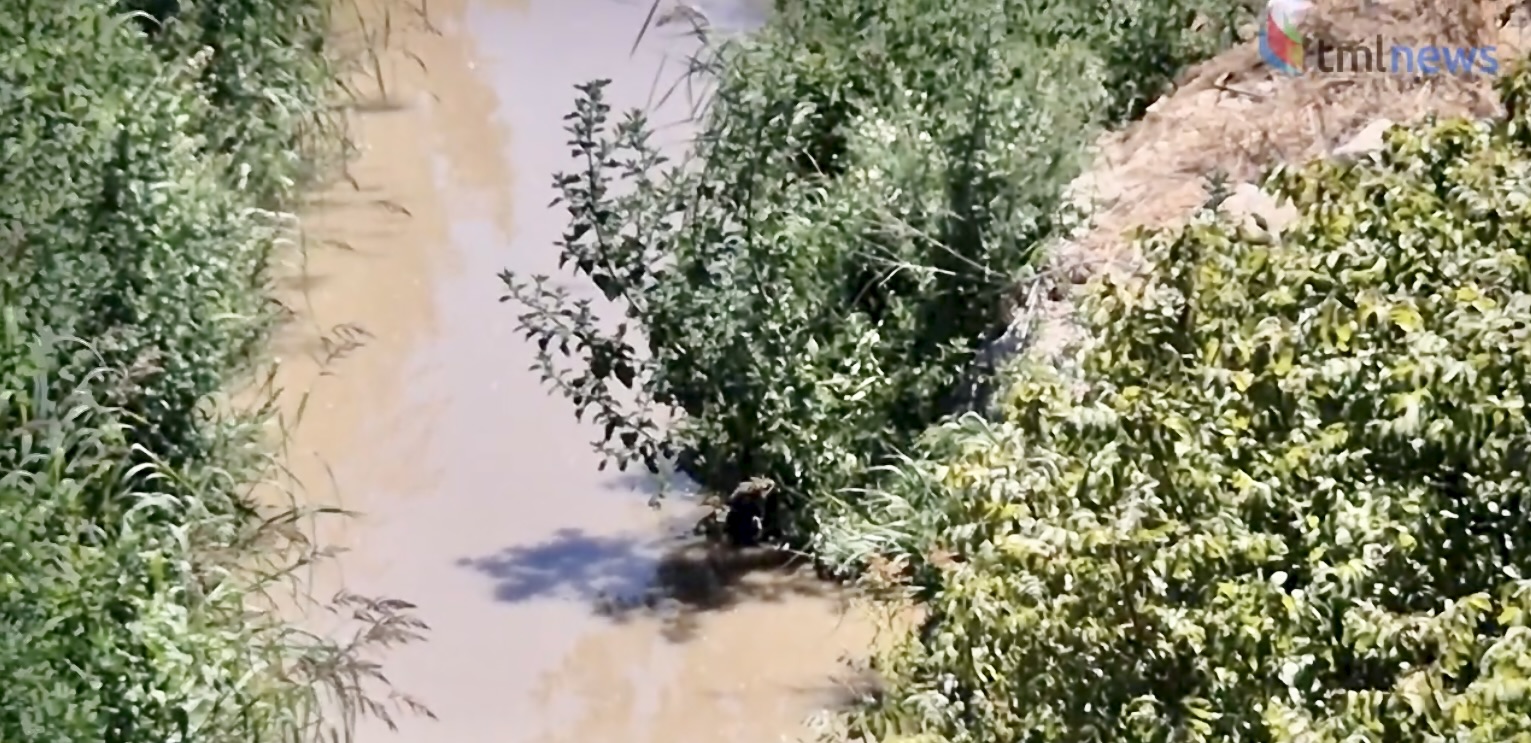
Stream restoration and buffer planting initiatives in the Antietam Creek watershed will combat erosion while reconnecting flood plains, establishing habitat areas, and reducing nutrient and sediment runoff into the Bay. The Upper Choptank region will see stormwater wetland projects designed to address residential flooding, enhance water quality, and develop new habitats.
Looking ahead to 2026, officials plan to complete watershed monitoring systems to accurately track project impacts. They will also develop financing and implementation strategies with program coordinators to identify additional funding opportunities and collaboration possibilities.
The state management team will continue evaluating future projects for funding consideration. Community engagement efforts will expand to include public meetings, outreach programs, and enhanced communication initiatives.
Complete project details and partner information are available in the Department of Natural Resources’ Whole Watershed Program annual report and on the program’s official website.