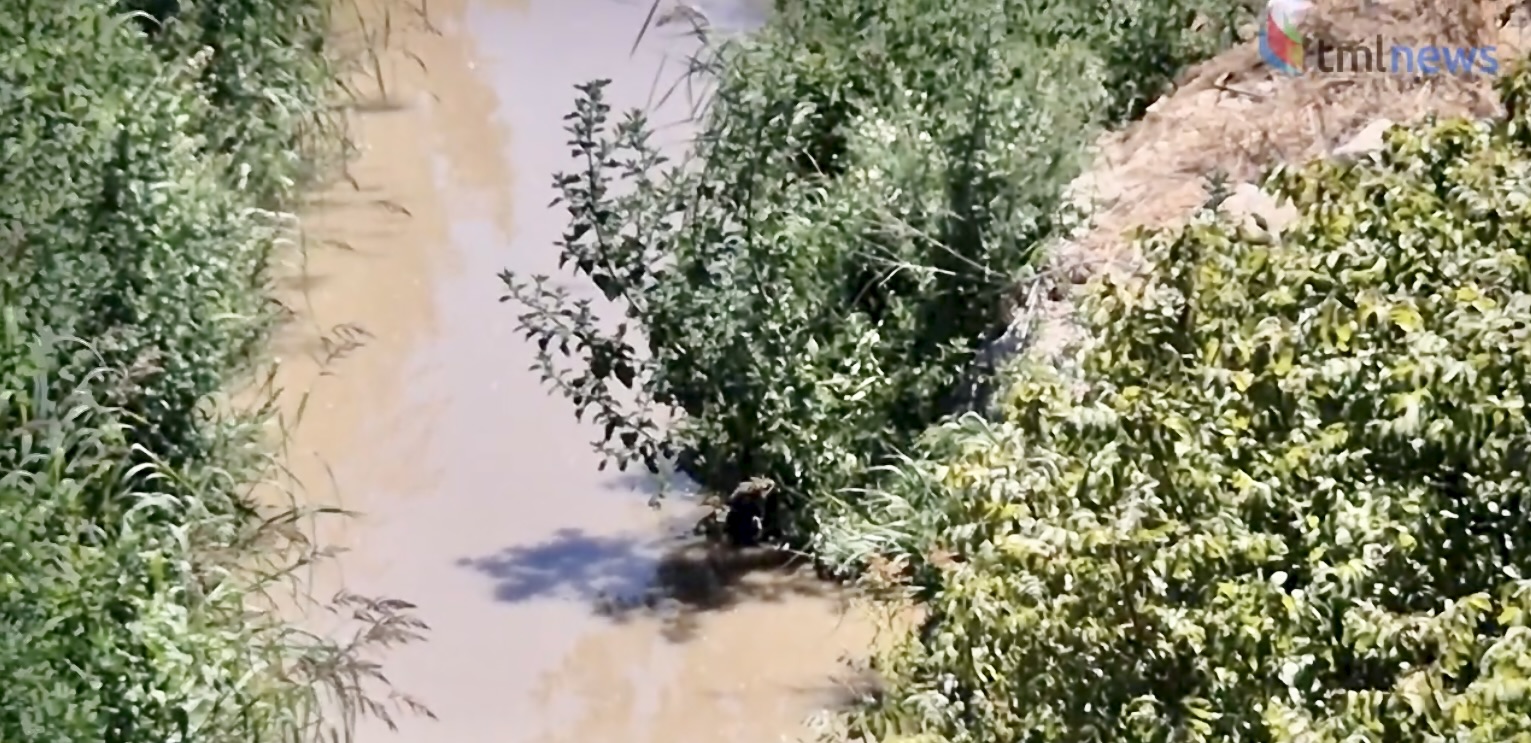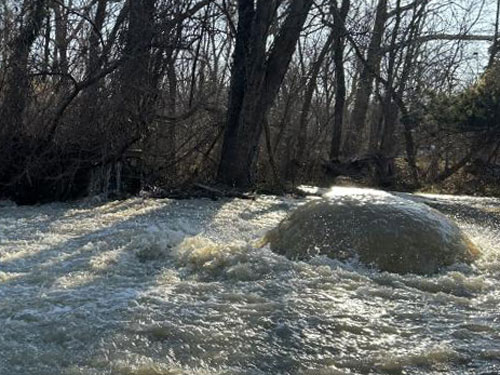

A massive sewage pipe failure has been releasing untreated wastewater into the Potomac River for over a week after DC Water crews found the rupture on January 19th, 2026.
The break occurred in a massive 72-inch sewer main known as the Potomac Interceptor, located within the C & O Canal National Historical Park in Montgomery County, Maryland. Raw sewage has been flowing through a creek bed before reaching the Potomac River at a point downstream from Washington DC’s water intake facilities at Great Falls.
This critical pipeline normally transports approximately 60 million gallons of sewage each day from communities near Dulles Airport to DC Water’s Potomac Pumping Station. The rupture happened close to the Clara Barton Parkway, just east of where it meets Interstate 495.
Once crews identified where the overflow was occurring, DC Water immediately deployed repair teams and contractors to contain the spill and evaluate the extent of damage to the infrastructure.
To address the emergency, utility officials created a temporary solution involving a bypass system. Work crews have been clearing pathways for access, laying temporary pipes, working with National Park Service officials to modify canal structures, and installing pumps to divert the sewage flow into a controlled section of the historic C & O Canal before pumping it back into the sewer system downstream.
The emergency response required removing the upper lock gates at Canal Locks 11, 12, and 13, which allows the wastewater to move downstream where it can be pumped back into the functioning portion of the sewer line.
Repair efforts faced additional challenges when a significant winter storm struck the Washington DC area on January 24th, hampering crews’ ability to contain the spill and fix the damaged infrastructure.
The failed sewer line is currently part of DC Water’s ambitious rehabilitation program – a decade-long initiative with a $625 million budget that ranks as a top priority in the utility’s capital improvement plan. The comprehensive project aims to upgrade the most at-risk portions of the deteriorating sewer system, which has been in service for more than six decades.