Maryland’s Board of Public Works has given the green light to more than $29 million in state funding for critical water infrastructure improvements across two key projects, the Maryland Department of the Environment revealed on January 28, 2026.
The substantial investment will fund essential upgrades at Baltimore’s Patapsco Wastewater Treatment Plant and advance ongoing efforts to connect Kent Island residences to public sewer systems, moving them away from problematic septic tanks.
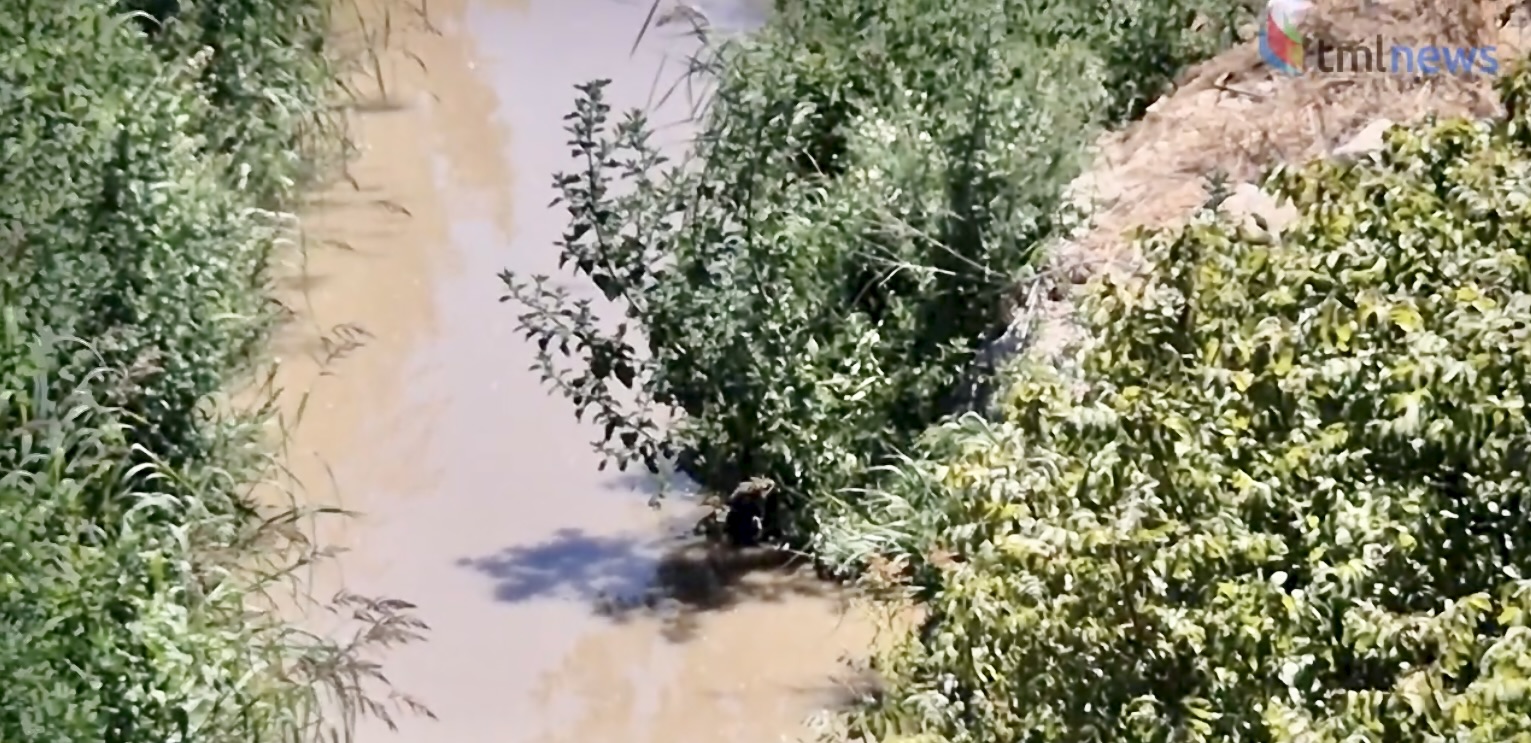
More than $18 million of the approved funding will go toward fixing and upgrading equipment at the Patapsco treatment facility. These improvements aim to help the plant meet compliance requirements under an agreement addressing unauthorized pollution releases and permit violations. This latest allocation brings the current administration’s total commitment to the Patapsco project to over $87 million through a combination of grants and loans.
Patapsco Plant Upgrades Address Compliance Issues
Baltimore City faces legal requirements under a consent decree related to permit violations at both the Patapsco and Back River treatment facilities.
The planned enhancements at Patapsco are intended to boost the plant’s operational effectiveness and return it to complete working capacity while ensuring dependable wastewater processing.
The state has also committed more than $32 million toward improvements at the Back River facility.
Environmental progress at both locations has been significant, with nitrogen contamination decreasing by over 78 percent at Patapsco and more than 60 percent at Back River. Phosphorus contamination has fallen by 80 percent at both treatment plants.
Kent Island Sewer Connection Project Moves Forward
The approved funding will support the fourth phase of the Southern Kent Island Sanitary Project, a multi-year initiative to transition residential properties from septic systems to public sewerage.
This project tackles groundwater pollution issues caused by elevated water tables and inadequate soil conditions in the area, where residents currently depend on individual septic systems for waste treatment.
The construction phase will establish public sewer connections for approximately 1,500 residential properties and eight commercial buildings. These properties will be linked to the Kent Narrows-Stevensville-Grasonville Wastewater Treatment Plant for enhanced waste processing.