
A major international commodities trading company has booked a massive oil tanker for Middle Eastern crude transport to Asia, representing what industry sources believe is the first such arrangement since the recent U.S.-Iran ceasefire agreement.
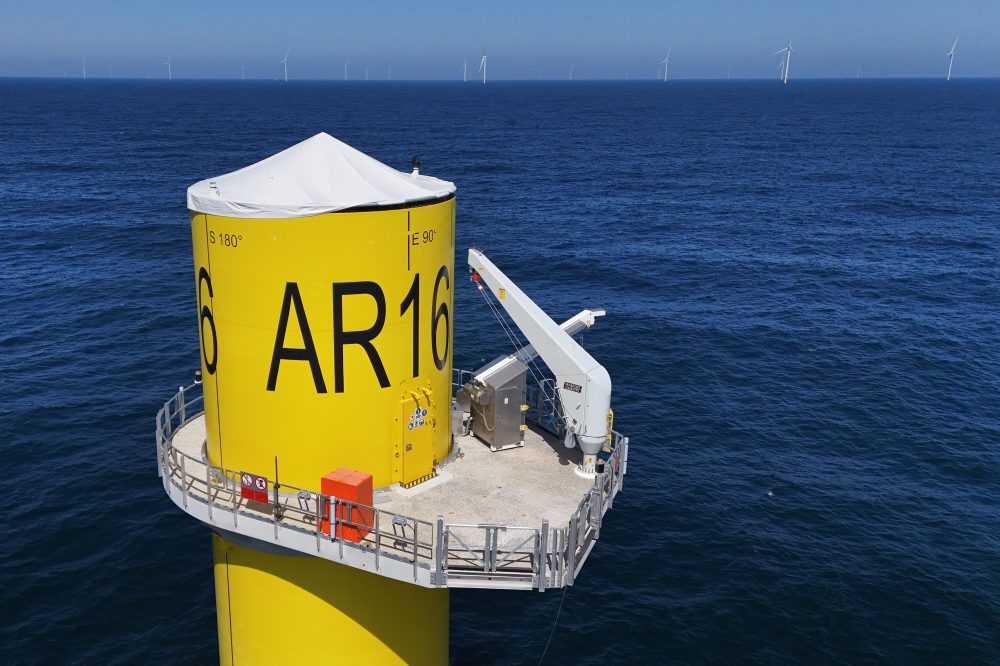
Glencore secured the Asian Lion, a massive vessel known as a very large crude carrier that can transport up to 2 million barrels of oil, according to shipping industry sources and LSEG tracking data. The supertanker is currently en route to the Middle East region.
The trading giant agreed to pay W580 using the Worldscale industry standard for calculating shipping costs, sources revealed. This represents a significant increase from the W230 rate recorded on February 27, just before the conflict began. Additionally, the daily waiting fee stands at $580,000, which covers costs if the vessel takes longer than expected to complete loading and unloading operations.
Company representatives from Glencore were not immediately available to provide comment regarding the vessel arrangement.
Despite the ceasefire announcement, shipping industry officials expressed Wednesday that they require additional clarification about the agreement’s specific terms before resuming regular passage through the Strait of Hormuz. Iranian authorities have maintained that the strategic waterway continues to be restricted to vessels operating without proper authorization.
Iranian officials indicated they would provide secure transit coordination through their military forces, though the country’s coastguard issued stern warnings Wednesday that unauthorized vessels would face being “targeted and destroyed.”
Iran’s Revolutionary Guards naval division released navigational charts showing recommended shipping lanes within the Strait of Hormuz designed to help vessels avoid underwater explosive devices, according to reports from the semi-official Iranian news agency ISNA early Thursday.
The six-week military confrontation virtually halted maritime traffic through the strategic waterway, which serves as a critical passage for approximately 20% of worldwide oil and liquefied natural gas shipments, causing global energy costs to surge dramatically.