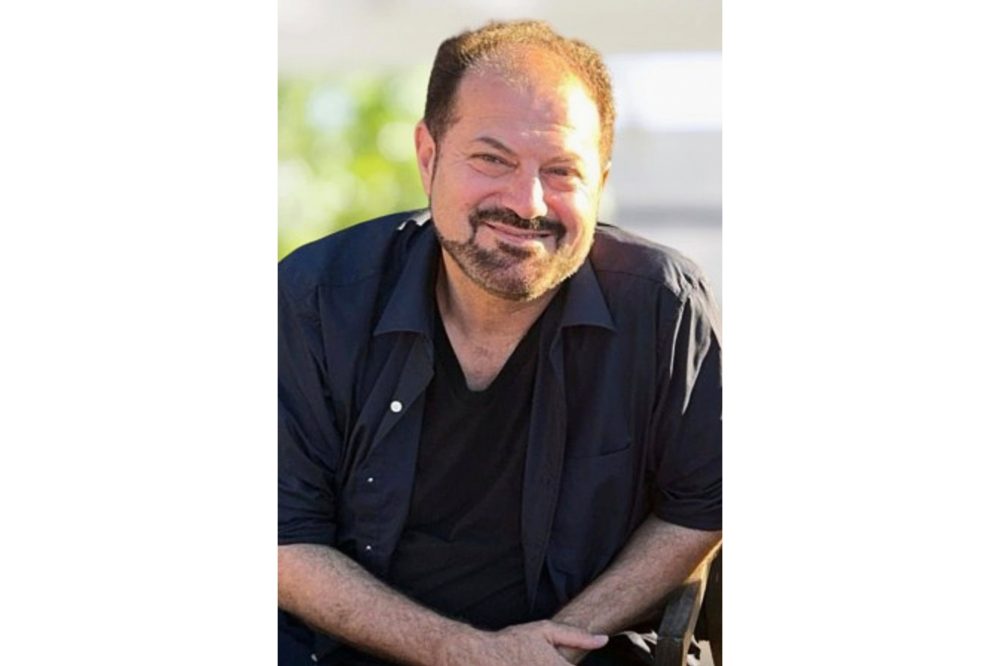

Legal counsel for the leader of Wisconsin’s biggest mosque claims their client is being refused essential medical treatment for diabetes and has dropped 30 pounds during the two months he has been held by immigration authorities.
Salah Sarsour, who was born in Palestine and holds legal permanent residency in the United States, was apprehended by U.S. Immigration and Customs Enforcement officers in April. His legal team contends he is being held on unfounded allegations that he poses a foreign policy risk, but they suspect he was really singled out for criticizing Israel and due to a juvenile conviction from Israeli military tribunals.
He maintains a clean criminal history in the U.S., where he has resided for over three decades.
Sarsour suffers from Type 2 diabetes and his glucose levels are not being regularly monitored, creating dangers of organ damage or death without proper treatment, his legal representatives informed a federal judge on Monday. Sarsour remains confined in an Indiana county detention facility while his immigration proceedings continue.
“We had the opportunity to make a direct, urgent appeal to the court about the need for Salah’s release, including being able to report that he has lost a staggering 30 pounds while in detention,” Luna Droubi, an attorney for Sarsour, said in a press release. “The Judge raised questions about the medical care Salah is receiving, and we will continue to press this case.”
Representatives from ICE and the Department of Homeland Security did not provide immediate responses to requests for comment. Legal documents submitted by lawyers representing DHS and ICE appeared to be under seal in the online federal court records, making any official response to the claims made by Sarsour’s legal team unavailable for review.
A joint investigation by KFF Health News and The Associated Press discovered that hundreds of detainees across at least 33 states have initiated federal legal action with comparable claims of medical negligence. These legal cases involve other detainees who report being refused medications or experiencing treatment delays for ailments including cancer, high blood pressure, epilepsy, Parkinson’s, HIV, diabetes, infections, depression and additional conditions.
Sarsour’s legal representatives provided additional information about his confinement circumstances in correspondence sent recently to U.S. District Judge James Patrick Hanlon. They are requesting the judge grant Sarsour’s release while his case proceeds.
“Mr. Sarsour’s health continues to deteriorate,” they wrote. “Though he recently developed severe abdominal pain, he was told by officials in the jail that they could not help him and that he must purchase his own medication. His blood sugar levels are not being consistently checked.”
Sarsour is also facing harassment from detention guards who refused him access to a Quran and who continuously disrupt him during prayer times in accordance with his Muslim faith, his legal team stated. When Sarsour requested an appropriate diet to manage his glucose levels, he was advised to buy BBQ pork rinds from the commissary, despite this food conflicting with his religious convictions and dietary requirements, his lawyers reported.
“Just over two months ago, my dad would have been starting his day as usual by checking in on my grandmother and heading to work,” said Kareem Sarsour, Salah’s son. “We’re not only fighting now for my dad’s legal right to be here, but also for his health — and basic due process guaranteed by his constitutional rights to speak up about injustice.”