
TOPEKA, Kan. — A legal battle has erupted in Kansas after two transgender men filed a federal lawsuit challenging new state legislation that rendered their driver’s licenses invalid along with roughly 1,700 others belonging to transgender residents.
The lawsuit was submitted Thursday, coinciding with the law’s implementation date. The plaintiffs contend the legislation violates constitutional protections including privacy rights, individual autonomy, and proper legal procedures outlined in Kansas state law. Their legal challenge also targets enhanced enforcement measures related to a three-year-old state policy preventing transgender individuals from accessing public restrooms and single-gender facilities that match their gender identity.
The legal action seeks to halt enforcement of the law, which simultaneously invalidated approximately 1,800 birth certificates belonging to transgender Kansans. The case was filed in Douglas County district court, where both plaintiffs reside in an area known for its liberal politics within the predominantly conservative state and home to the University of Kansas main campus.
“The Kansas Constitution prohibits the Kansas Legislature’s targeting of transgender individuals for this discriminatory and dehumanizing treatment,” the lawsuit says.
Kansas’s highest court established in 2019 that the state’s Bill of Rights includes protections for bodily autonomy — a ruling that safeguarded abortion access in the state.
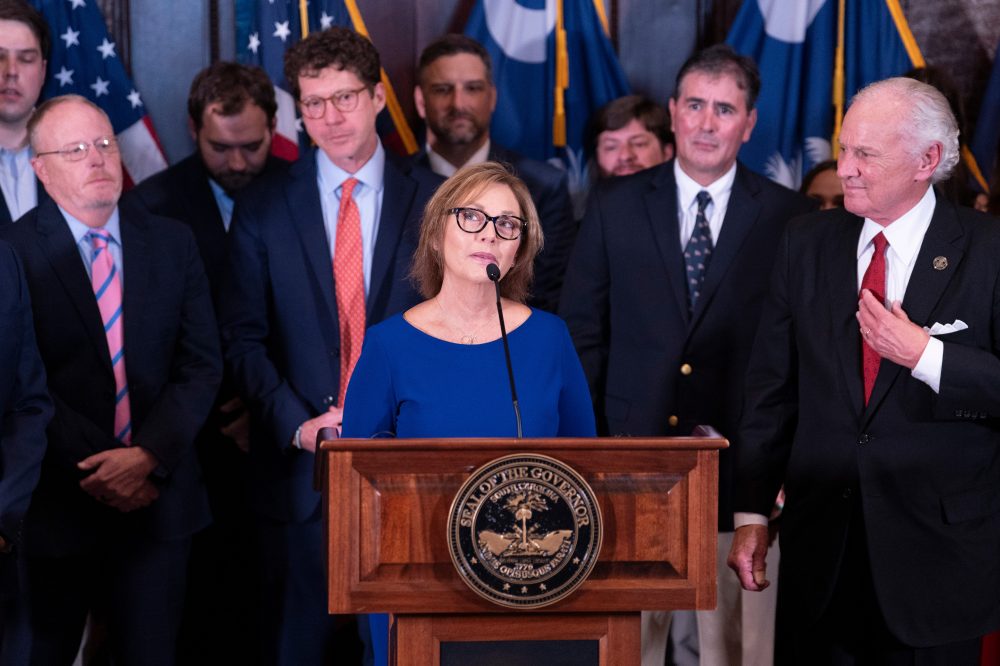
The contested legislation became law last week after Republican lawmakers, holding a supermajority, successfully overturned a veto from Democratic Governor Laura Kelly. Judge James McCabria, who will oversee the case, received his appointment in 2014 from former Republican Governor Sam Brownback and has been retained by Douglas County voters in three subsequent elections.
Previous legislation from 2023, also passed despite Kelly’s opposition, established legal definitions of male and female based on individuals’ “biological reproductive system” present at birth. The Kansas Supreme Court has not yet examined that earlier law.
The current law establishes significant financial penalties for municipalities, counties, educational institutions, and government agencies that fail to enforce restrictions on transgender facility usage. It also creates potential fines and criminal charges for transgender individuals who violate these restrictions, while allowing private citizens to file lawsuits against transgender people for alleged violations.
Republican state lawmakers defended the new legislation as protective measures for girls and women, frequently referring to transgender women and girls using male terminology.
“Kansans expect clarity, not confusion,” House Speaker Dan Hawkins, a Wichita Republican, said after the law was enacted. “They expect leadership, not surrender to radical activists.”
The legislation prohibits any gender designation on driver’s licenses and birth certificates other than what was determined at birth, automatically voiding existing documents that don’t meet this requirement. State officials have begun mailing notifications to transgender residents informing them their licenses are no longer valid and requiring immediate replacement.
While at least eight additional states prevent transgender individuals from modifying one or both identity documents, Kansas stands alone in retroactively invalidating previously modified records.
The two Lawrence residents bringing the lawsuit, located approximately 40 miles west of Kansas City, are receiving representation from American Civil Liberties Union lawyers. Court documents identify them as Daniel Doe and Matthew Moe, with both citing concerns about potential discrimination, harassment, and violence as reasons for maintaining anonymity.