
RAMALLAH, West Bank — Just after 1 a.m. Wednesday, Abdelrahman Badr said he heard footsteps approaching his home in Hebron, located in the occupied West Bank. Moments later, Israeli forces were knocking at his door — and they were there for his wife.
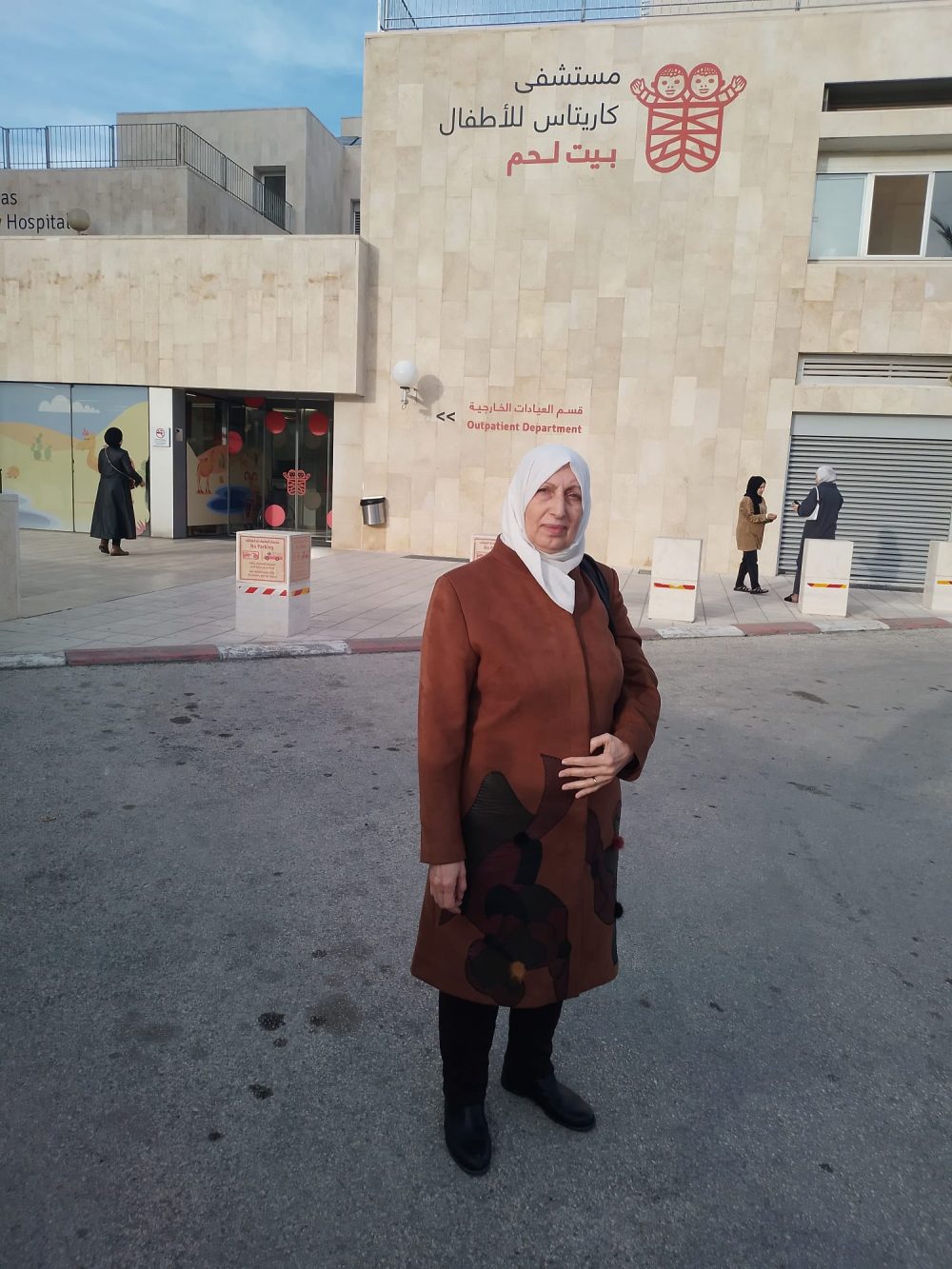
The forces took away Itaf Badr, who sits on the board of a well-known health charity, telling her husband she was wanted for questioning. She was driven off in the middle of the night, according to Abdelrahman.
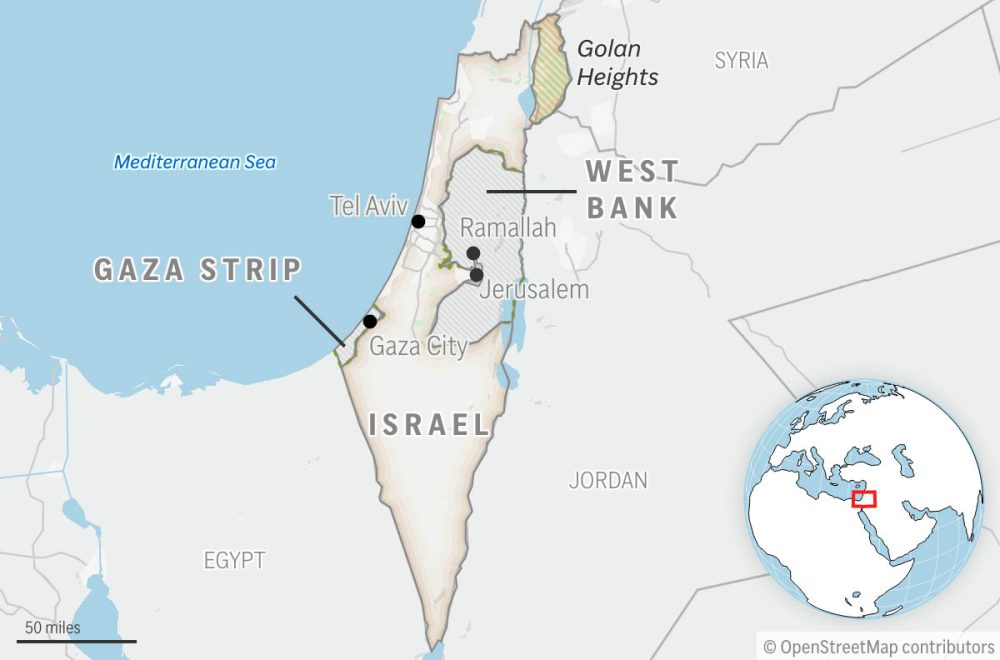
Itaf was one of five Palestinian women taken into custody by Israeli security forces across the West Bank that morning. The pre-dawn operations targeted several cities, among them Hebron, Ramallah, Nablus, and Bethlehem, according to the detainees’ families and Palestinian rights organizations.
Throughout most of Israel’s decades-long occupation of the West Bank, Palestinian men and boys have largely been the ones swept up in military detentions — jailed for years, sometimes for actions as minor as throwing rocks at Israeli troops. But that dynamic is shifting.
Abdullah Al-Zaghari, who heads the Palestinian Prisoners’ Club — a nongovernmental organization that advocates for political prisoners held in Israeli jails — said Israeli security forces are increasingly detaining women and girls. He said gender is no longer a factor in who his organization believes Israel is targeting, with arrests spanning political activists and student leaders at Palestinian universities alike.
According to Israeli rights group Hamoked, which collects data from the Israel Prison Service, women now represent a small but growing portion of the approximately 9,300 Palestinians currently held in Israeli detention.
The number of Palestinian women and girls in Israeli custody has more than doubled since the Israel-Hamas war began and has risen 80% since the start of 2026. Fifteen women have been arrested since the beginning of June alone, pushing the total to 99, based on data from the Prisoners’ Club.
Al-Zaghari said some of those arrested were taken in after posting content on social media, including messages critical of Israel’s occupation of the West Bank or the ongoing war in Gaza. Others were affiliated with student branches of Palestinian political parties at their universities.
Many detainees have been held without formal charges under Israel’s administrative detention policy, which permits authorities to imprison Palestinians for renewable periods of up to six months at a time.
Just last month, Israeli soldiers arrested at least five other young women, including four members of the Palestinian national soccer team and a 20-year-old Palestinian-American named Sama Safi. The military stated those women were suspected of “promoting terrorist activities.” At least one has since been freed, while the others have yet to be formally charged, according to their lawyers. Safi’s detention has prompted criticism from several U.S. senators, who have called for her immediate release.
On Wednesday, the Israeli military directed questions about the arrests in Ramallah and Nablus to Israel’s Border Police, which also operates in the West Bank. Regarding Itaf’s arrest in Hebron, the military said it was looking into the matter but did not provide a response explaining why she was detained.
The families of the women arrested Wednesday said they remained in the dark about the reasons behind the detentions.
In Nablus, Wael al-Faqih said Israeli forces came to his home and arrested his wife, Maiser al-Faqih. She had been detained before and, like Itaf, had previously worked with the Union of Health Work Committees, a charity that delivers medical services to low-income communities.
Israel has claimed the organization has ties to the Popular Front for the Liberation of Palestine, which it has labeled a terrorist group. The charity has denied those allegations.
“We still don’t know what it was about,” Wael said. He recounted how Israeli forces searched both him and his son before instructing Maiser to put on her hijab — and then taking her away.
Abdelrahman said he believes his wife’s involvement with the charity made her a target. His account of her arrest echoed Wael’s. Itaf was first brought outside and then handcuffed on the street.
“I looked at them from the window, they shouted at me and my son,” he said. Then, “they grabbed her, blindfolded her and put her in the military vehicle.”