
LONDON — The British government is preparing to issue a formal apology Thursday for its role in forcibly separating tens of thousands of unmarried mothers from their babies — a practice that spanned several decades before ending in the 1970s.
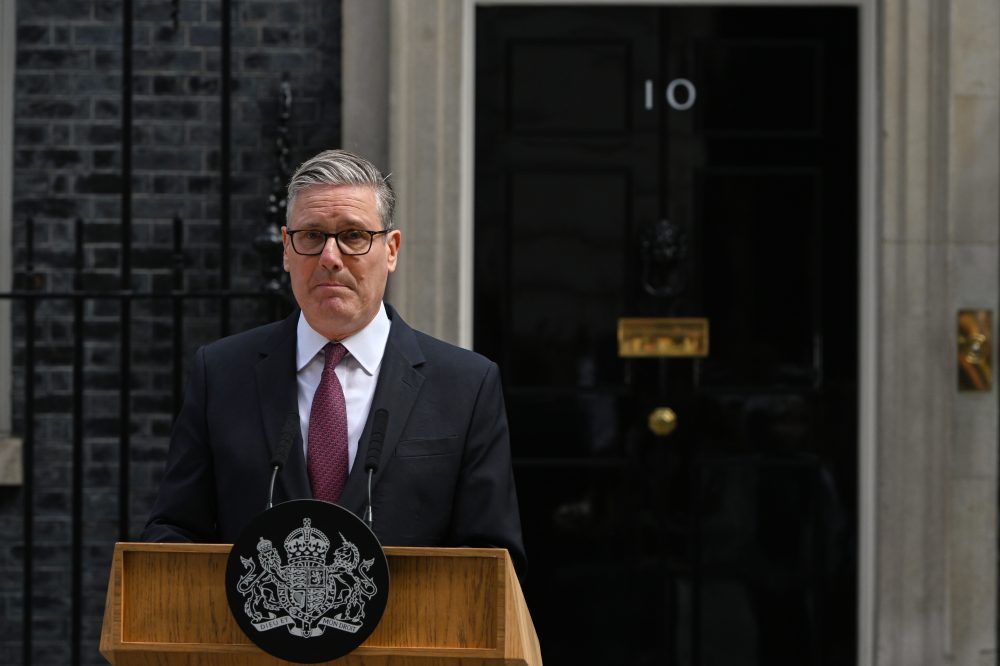
Prime Minister Keir Starmer will take to the floor of the House of Commons to acknowledge the government’s involvement in forced adoptions and offer an apology to those who lived through the experience.
The United Kingdom joins a number of nations confronting a troubling history rooted in social stigma, religious institutions, and government policy — all of which combined to shame unwed mothers, confine them during pregnancy, and hand their children over to married couples for adoption.
Between 1949 and 1976, approximately 185,000 babies born to unmarried women were adopted in England and Wales. Advocates have spent years pushing for official recognition that many of these mothers were pressured, misled, and threatened into surrendering their children.
Ann Keen, a former U.K. health minister who had her own baby taken for adoption in 1966 when she was 17, said she is eager to finally feel “released from my shame.”
“We need this apology, because we have always been accused of giving up our babies, and we didn’t give them up,” she told the BBC. “We’ve now got the opportunity to really put this wrong right.”
A 2022 report from Parliament’s Joint Committee on Human Rights called on the British government to apologize for “the pain and suffering caused by public institutions and state employees that railroaded mothers into unwanted adoptions.”
Scotland and Wales, which operate with a degree of self-governance, both issued their own apologies the year after that report. However, the Conservative government in power at the time chose not to follow their lead.
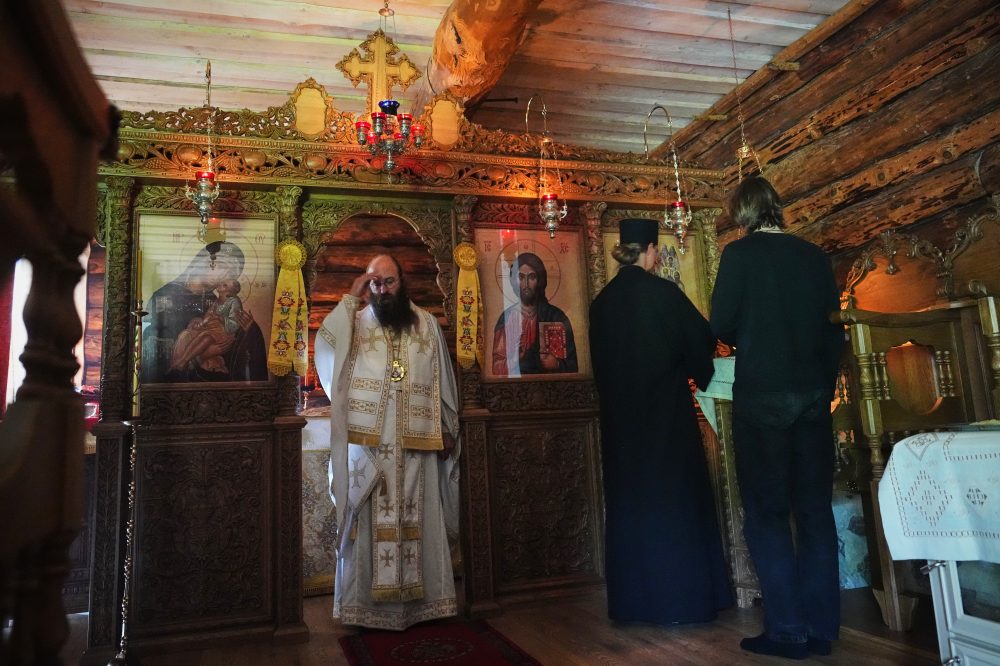
The apology now coming from Prime Minister Starmer’s Labour government arrives just two weeks after the Church of England offered its own acknowledgment of wrongdoing in connection with forced adoptions.
Archbishop of Canterbury Sarah Mullally stated that “we are profoundly sorry for the pain, trauma and stigma experienced — and still carried — by many people because of historical adoption practices in homes affiliated to the Church of England.”
Several other countries have faced similar reckonings. In 2013, Australia’s then-Prime Minister Julia Gillard delivered a nationally significant apology for that country’s forced adoption history, calling it a source of “lifelong legacy of pain and suffering.”
Ireland has also grappled with the dark history of mother-and-baby homes operated by the Catholic Church, where tens of thousands of women were kept in frequently degrading conditions. A 2021 inquiry revealed that 9,000 children had died across 18 such homes during the 20th century.
Irish Prime Minister Micheál Martin offered an apology for the “profound and generational wrong” done to the mothers and children who passed through those institutions.