
BANDA ACEH, Indonesia — A young couple faced public caning in Indonesia’s conservative Aceh province on Thursday after an Islamic Sharia court found them guilty of breaking religious law by sharing a kiss during a TikTok livestream.
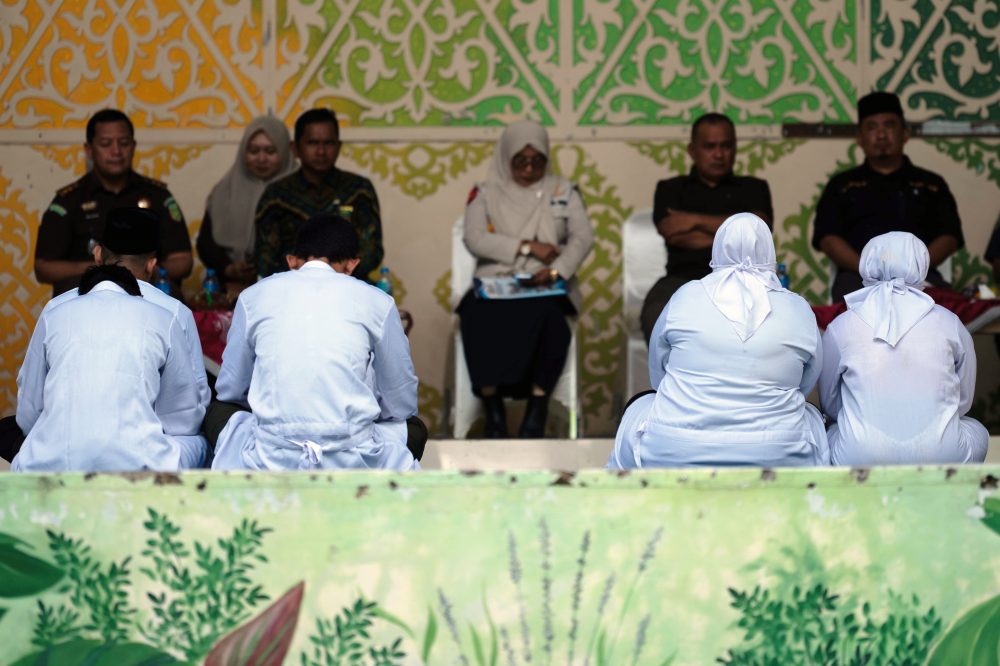
The Sharia court handed down a sentence of 21 rattan cane strikes each for the pair, who were not married to one another. The punishment was carried out on a public stage at Bustanussalatin City Park in Banda Aceh by individuals dressed in robes and hoods, with a crowd of at least 100 people watching.
The couple — a 22-year-old man and a 25-year-old woman — were taken into custody in April following a February 27 livestream that showed them kissing inside a car in Banda Aceh. The video spread widely online and triggered complaints to local Sharia authorities.
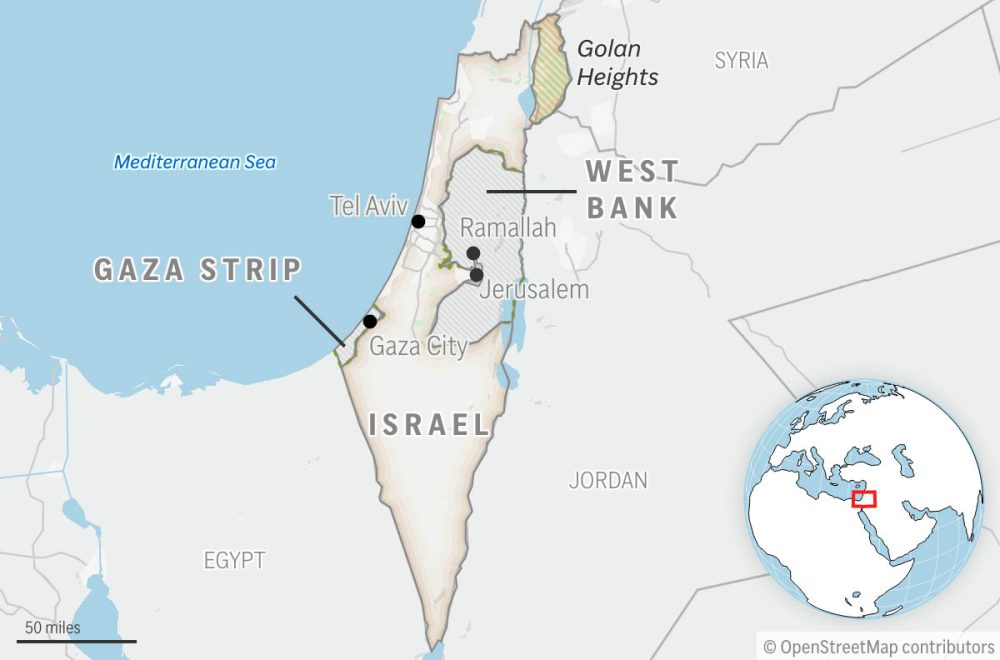
Aceh holds a unique status as the sole province in Muslim-majority Indonesia that operates under a form of Islamic law. The country’s secular national government gave the province the authority to enforce religious law in 2006 as part of an agreement that brought an end to a separatist conflict. In 2015, Aceh extended that law to cover non-Muslims, who make up roughly 1% of the province’s residents.
Under the law, offenses related to morality — such as adultery and same-sex relations — can result in up to 100 lashes. Caning is also used as punishment for gambling, drinking alcohol, women wearing form-fitting clothing, and men who miss Friday prayers.
Although the couple was originally sentenced to 25 lashes each, the total was reduced to 21 strokes to account for the four months they had already spent behind bars.
As part of the case, the court also confiscated a cellphone and a USB flash drive containing the TikTok video, both of which are to be destroyed. Four additional individuals were also publicly caned Thursday on charges related to online gambling and adultery.
Amnesty International Indonesia characterized the public caning as a human rights violation, calling it cruel, inhumane, and an affront to human dignity — particularly given that Indonesia has signed an international agreement requiring the elimination of inhumane punishments.
Usman Hamid, the Executive Director of Amnesty International Indonesia, spoke out against the sentence Thursday. “Such behavior might be considered inappropriate because social media is viewed by people of various age groups, including children. But is it a crime that warrants imprisonment or even caning? That would be excessive,” he said.
Not everyone shared that view. Aini Nadhirah, 22, a Banda Aceh resident who was present at the caning, felt the punishment was warranted. “In my opinion, this caning is entirely justified because it serves as a warning to other Aceh residents to be more careful when using social media. It also raises awareness that such actions are unacceptable, thereby educating the public,” Nadhirah said.