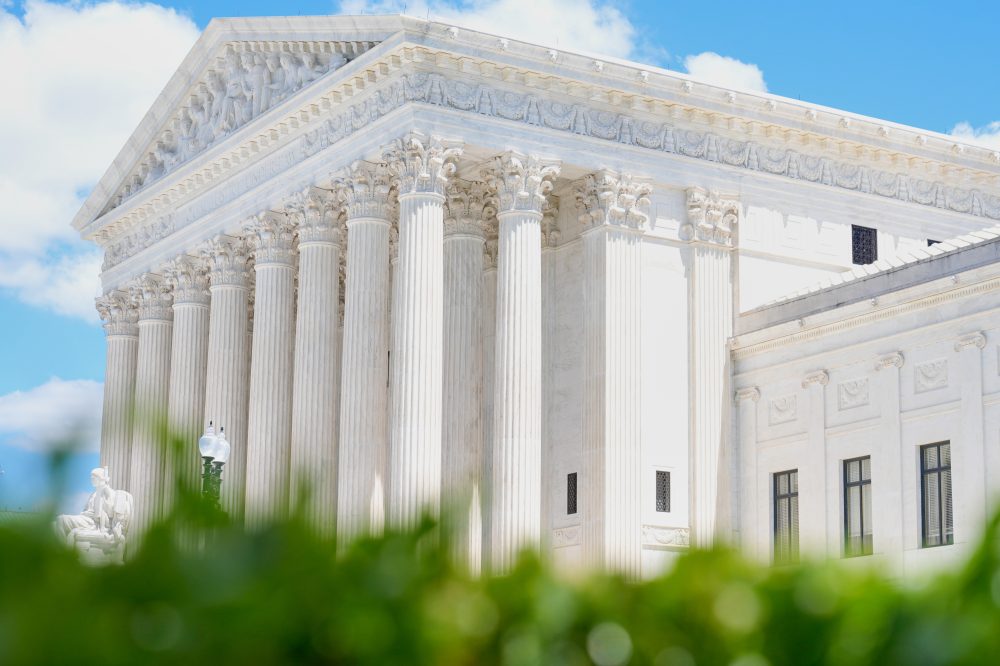

The nation’s highest court on Monday declined to hear legal challenges from drug companies opposing a federal program that allows Medicare to negotiate prescription medication costs.
The justices offered no explanation for their decision to let stand previous rulings from a Philadelphia-based federal appeals court that had thrown out the pharmaceutical manufacturers’ legal arguments.
This price negotiation initiative emerged from the 2022 Inflation Reduction Act, ending years of political battles over whether federal officials should have direct bargaining power with drug companies regarding Medicare medication costs.
Under the legislation, federal officials must negotiate pricing for select expensive medications within the government insurance program serving seniors each year, with initial agreements taking effect in 2026.
The measure received zero support from Republican lawmakers when Democratic President Joe Biden signed it into law. Republicans have strongly criticized various provisions of the legislation, and Republican President Donald Trump has reversed programs supporting alternative energy initiatives.
However, the current administration has welcomed the power to bring pharmaceutical companies into price discussions.
To date, federal negotiators have secured pricing agreements for 25 Medicare-covered prescription medications, including widely-used GLP-1 treatments for weight loss and diabetes such as Ozempic, Rybelsus and Wegovy. This past January, the Trump administration identified additional medications for a third negotiation cycle, which will increase the total number of discounted drugs available to Medicare beneficiaries to 40.
Drug manufacturers have vigorously opposed this initiative, contending that officials seeking cost reductions should focus instead on controlling insurers and third-party pharmacy benefit managers.
Without judicial intervention, ending this program would likely require congressional action. The law establishing the initiative contains no expiration provision.