
With an extremely dangerous stretch of heat expected later this week, residents across Delaware, Maryland and the broader Mid-Atlantic should begin preparing now. Temperatures are forecast to climb into the upper 90s and lower 100s, with heat index values potentially reaching the 100 to 110 degree range at times. This type of heat can become dangerous quickly, especially when it lasts for several days in a row.
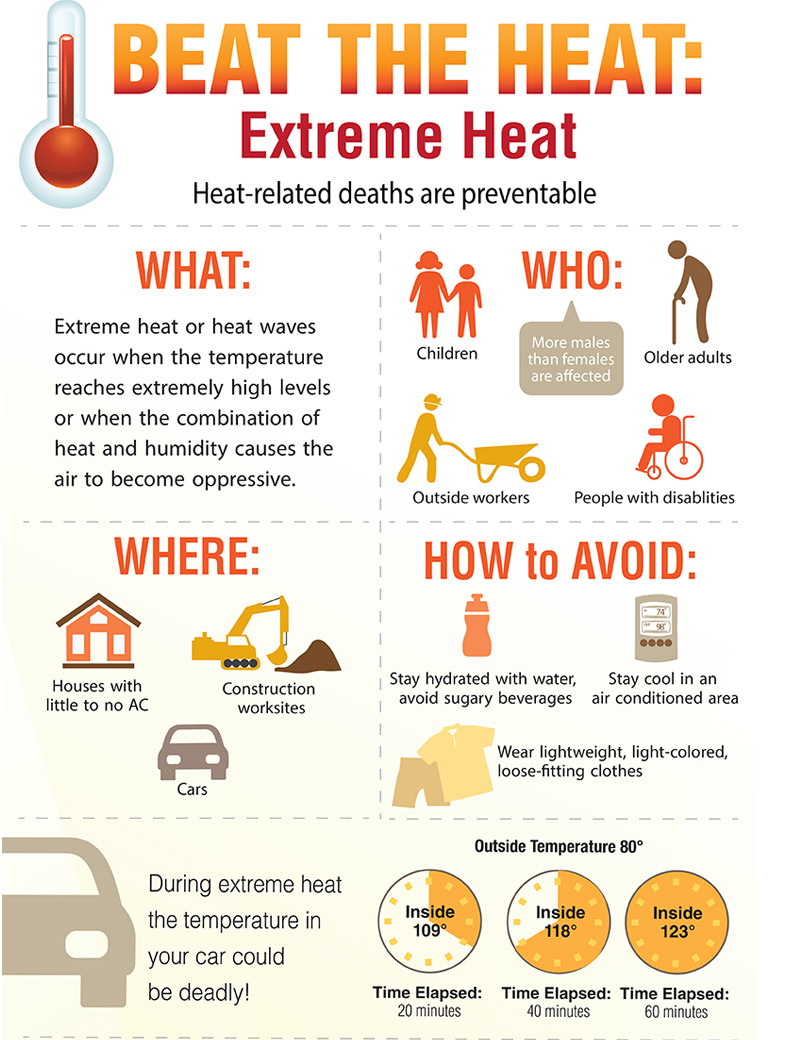
Extreme heat is one of the most serious weather hazards during the summer months. The Maryland Department of Health warns that exposure to extreme heat can lead to heat cramps, heat exhaustion, heat stroke and even death. The risk is highest for older adults, young children, people with chronic health conditions, outdoor workers, athletes, pets and anyone without reliable access to air conditioning.
The best way to stay safe is to limit outdoor activity during the hottest part of the day, usually from late morning through early evening. Drink plenty of water, even if you do not feel thirsty, and avoid alcohol or too much caffeine, which can increase dehydration risk. Wear lightweight, loose-fitting and light-colored clothing, and take frequent breaks in shade or air conditioning. The CDC recommends staying in air-conditioned spaces as much as possible, taking cool showers or baths, checking on neighbors and never leaving children or pets in vehicles.

For those who do not have air conditioning or need a safe place to cool down, cooling centers are available in parts of Delaware and Maryland.
In Delaware, the Department of Health and Social Services has announced cooling centers at state service centers during this stretch of heat. As of the latest state announcement, DHSS facilities are open as cooling centers from June 30 through July 2 from 8:30 a.m. to 4:30 p.m. These locations provide air-conditioned spaces where residents can cool down and stay hydrated.
Delaware cooling locations include the Claymont State Service Center, DHSS Canby Park Office in Wilmington, Churchman’s Corporate Center in New Castle and Hudson State Service Center in Newark for New Castle County. In Kent County, locations include the Smyrna State Service Center and Williams State Service Center in Dover. In Sussex County, cooling locations include Adams State Service Center in Georgetown, Laurel State Service Center and Shipley State Service Center in Seaford. Hudson, Williams and Adams State Service Centers are also listed as being open until 6 p.m. on Wednesday, July 1. Residents should check Delaware DHSS or Delaware.gov for any updated hours later in the week.
In Maryland, cooling center information is handled by local counties and cities. The Maryland Department of Health maintains a county-by-county cooling center contact list with phone numbers, websites and local emergency management contacts. Eastern Shore residents can check with their county health department, local emergency management office or public library system for the closest open cooling location.
For Maryland’s Eastern Shore, Caroline County lists library branches in Denton, Federalsburg and Greensboro as shelter locations during extreme heat. Dorchester County says cooling centers will be open at the Cambridge and Hurlock branches of the Dorchester County Public Library during extreme heat events. Kent County, Queen Anne’s County, Somerset County, Wicomico County and Worcester County all have health department or emergency management contacts listed through the Maryland Department of Health cooling center contact page.
It is also important to know the warning signs of heat illness. Heat exhaustion can include heavy sweating, weakness, dizziness, nausea, headache, muscle cramps and a fast pulse. Move the person to a cooler location, loosen clothing, apply cool cloths and give sips of water. Heat stroke is a medical emergency. Warning signs can include confusion, passing out, very high body temperature, hot skin or a rapid pulse. Call 911 immediately if heat stroke is suspected.

This upcoming heat wave will be especially concerning because it may last several days and coincide with outdoor holiday events. Check on family members, elderly neighbors and anyone who may not have air conditioning. Bring pets indoors, limit pavement walks during peak heat and make sure animals have access to shade and fresh water.
The main message is simple: take the heat seriously. Plan outdoor work or errands for the morning, spend the hottest hours inside, use cooling centers when needed and stay updated on any warnings or local cooling station announcements through state and county officials.