
Indiana’s upcoming Republican primary elections will serve as a crucial test of President Donald Trump’s continuing grip on the GOP, as he works to remove state senators who declined to support his demands for congressional redistricting.
In December, twenty-one Republican state senators rejected redistricting legislation, with eight of those lawmakers seeking reelection this cycle. Trump has thrown his support behind primary opponents for seven of these senators, while his supporters have poured millions into contests that typically receive little national attention.
This expensive and unusual internal Republican conflict has heightened party divisions as November’s midterm elections approach, with control of Congress hanging in the balance.
Indiana Lieutenant Governor Micah Beckwith characterized the primary as a measure of how aggressively the party will pursue advantages over Democrats, describing it as a battle between “the Republicans who tend to want to avoid the fight and the Republicans who feel like we need to fight.”
“So the only question is, ‘Will you fight or will you get trampled by the other side?’” Beckwith stated, noting his support for Trump’s endorsed candidates.
Last year, Trump began pressuring Republican-controlled states to redraw their congressional boundaries to help his party maintain its narrow House majority. While redistricting typically occurs once per decade following the census, Trump sought to break with this practice for political gain.
Texas became the first state to comply, and the White House subsequently pushed Indiana to follow suit. Vice President JD Vance held meetings with state officials in both Washington and Indianapolis, while Trump participated via conference call.
Indiana senators ultimately rejected the proposal, marking one of Trump’s first major political setbacks of his second presidency.
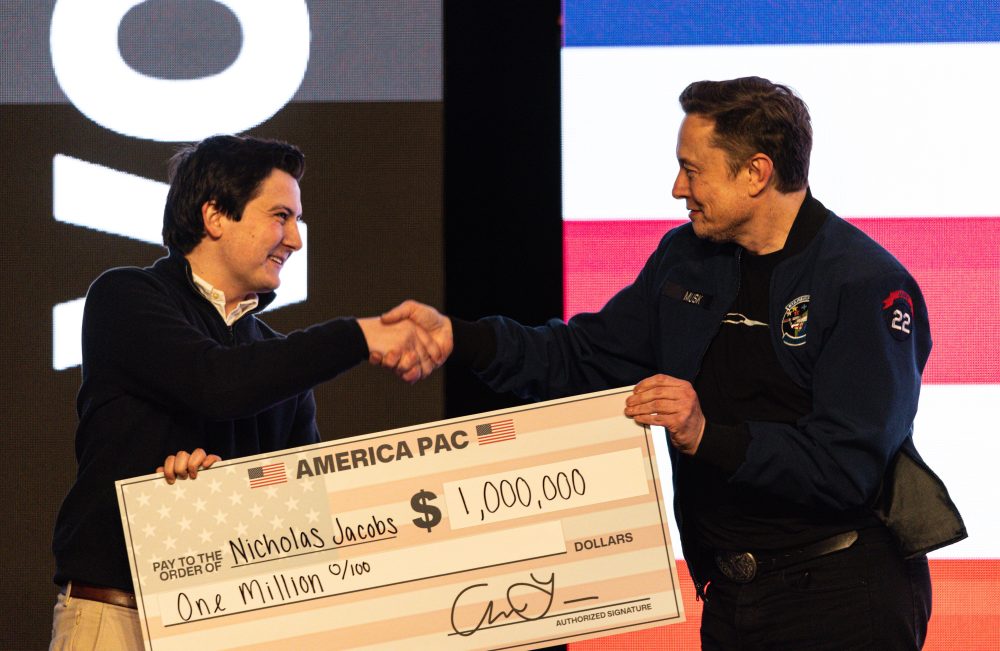
The redistricting dispute has created fractures among Republicans in Indiana, a state Trump has carried three times with margins of at least 16 points. Republican Governor Mike Braun, U.S. Senator Jim Banks, and groups like Turning Point Action have joined Trump’s effort to defeat the sitting lawmakers.
Jim Bopp, a well-known Indiana lawyer who heads a political action committee supporting Braun, expressed confidence that Trump’s endorsements would prove decisive.
“Republican voters overwhelmingly support Trump, and when they find out Trump has endorsed a particular Senate candidate, they swing their support behind them,” he explained.
Resistance to Trump’s initiative has come from anti-Trump Republicans and those concerned about presidential interference in state matters. Former Republican Governor Mitch Daniels, who had withdrawn from politics after his 2015 departure from office, returned to help fundraise for the targeted incumbents.
The senators who opposed Trump maintained they were responding to constituents who strongly rejected his redistricting proposal. Several also cited discomfort with Trump’s forceful approach in promoting the plan.
“We hate to be told what to do,” explained Mike Murphy, a former Republican state representative. “We’re very independent-thinking people. So when Donald Trump and his goons come in and try to tell us that we need to redistrict to help his political future, that’s the worst thing you can do.”
Murphy argued that Trump and his big-money supporters lack understanding of Indiana’s political culture.
“There’s just so many misjudgments on people’s part because they tend to fly at the 50,000-foot level, and they don’t go to the barbecues and the church fish fries and the things that make Indiana politics,” Murphy said.
Bopp, who backs Trump’s preferred candidates, framed the primary as an opportunity for Indiana Republicans to demonstrate their commitment to congressional redistricting.
“It’s not a matter of Trump’s power,” Bopp said. “It’s about Republican primary voters who support his agenda and don’t want a Democratic House that will be hugely destructive to the Trump presidency and the country.”