
NAIROBI, Kenya (AP) — Brenda Obare remembers when cooking dinner meant simply turning a knob to ignite the blue flame on her gas stove before evening arrived.
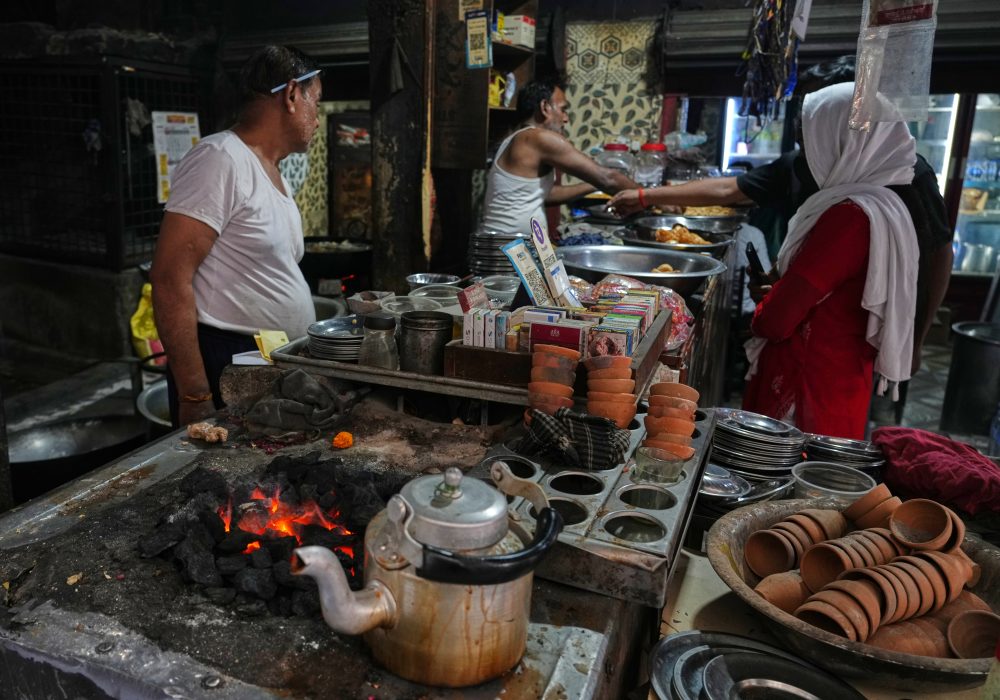
Today, that stove sits unused while she hunkers down beside a charcoal burner outside her metal-roofed dwelling in Kibera, one of Africa’s most expansive informal communities in Kenya’s capital. She works to kindle a smoky blaze for her family’s meals. Cooking gas has become prohibitively costly and frequently unavailable, while charcoal remains accessible.
“We don’t have many options,” she said. “You use what you can afford.”
Her experience reflects a growing trend resulting from energy supply disruptions linked to the Iran war. While governments had encouraged adoption of cleaner fuels like LPG for health and environmental benefits, escalating prices are eroding those achievements.
The consequences extend far beyond fuel stations, reaching into homes, woodlands, and animal habitats. Throughout Africa and South Asia, officials have invested years attempting to transition households from burning charcoal and wood to cleaner alternatives like liquefied petroleum gas.
This initiative stemmed from health concerns regarding air pollution, which claimed 2.9 million lives in 2021 according to World Health Organization data. Environmental protection also motivated the effort, as firewood and charcoal consumption intensifies pressure on forests and wildlife areas. Harvesting trees more rapidly than natural regeneration occurs accelerates forest loss.
As increasing numbers venture into forests seeking fuel, human-wildlife encounters multiply. Simultaneously, economic strain can increase poaching and bushmeat harvesting, raising disease transmission risks from animals to humans. Declining tourism reduces conservation funding, while elevated fuel expenses hamper field team operations and rapid response when wild animals enter populated areas.
“The longer this debacle runs, the harder it is going to hit conservation,” said Mayukh Chatterjee, the International Union Conservation for Nature’s co-chair for its conflict and co-existence specialist group.
Paula Kahumbu, a wildlife conservationist and CEO of Nairobi-based WildlifeDirect, explained that when LPG, kerosene or electricity become unaffordable or unreliable, many households switch to firewood and charcoal due to easier access in cash-strapped communities, despite environmental damage.
“The first conservation risk from an energy shock in Africa is not abstract. It is household fuel switching,” she said.
Growing biomass fuel demand also damages watersheds and wildlife habitats as people venture deeper into previously untouched regions, intensifying ecosystem pressure and threatening dependent species.
Specialists worry that climbing diesel costs and increased fertilizer expenses will also damage agricultural productivity, decreasing harvests and worsening food insecurity.
“The crisis is impacting more than forests,” Kahumbu said.
Charcoal, produced through slow wood burning in kilns, ranks among sub-Saharan Africa’s most common cooking fuels and represents a primary deforestation cause. Demand is increasing among customers in Nairobi’s low-income areas, reports charcoal vendor Munyao Kitheka.
India experiences a comparable transition as the world’s second-largest LNG importer, with approximately 60% of supplies originating from the Gulf region, according to S&P Global data.
Rama, a social worker using only one name, devoted years encouraging waste-collecting families in Bhalswa, an impoverished New Delhi suburb, to embrace LPG. However, with daily incomes under $3, many cannot afford expensive LPG cylinders and are returning to wood-burning stoves or relocating to villages where wood is more accessible.
“Things are very, very bad,” she said.
This transition burdens women and girls more heavily, as they spend hours daily searching for fuel, reducing time available for employment or education, explained Neha Saigal, a consultant with environmental and social justice startup Asar Social Impact Advisors.
“Years of work went into making LPG aspirational. But a global issue like this can reverse some of those gains,” she said.
Chester Zoo’s Chatterjee noted that decreasing habitat pressure through reduced fuelwood consumption has been fundamental to Asian conservation efforts. He referenced an elephant conservation program in India’s northeastern Assam state where restaurants had decreased wood usage, but cautioned these improvements could dissolve as households return from LPG, which derives from oil or natural gas refining.
“That all risks going back to square one,” he said.
Specialists caution that the Iran conflict and subsequent fuel disruptions could strain funding and interrupt field operations, impeding global conservation efforts.
Airlines are eliminating African routes, potentially affecting tourism as rising fuel prices increase travel expenses. Aviation route disruptions through Middle Eastern connections complicate access to certain destinations.
Even minor visitor decreases can significantly impact countries depending on wildlife tourism to finance protected areas.
Tourism generates approximately 14% of GDP in nations like Kenya and Tanzania, where it supports park management, anti-poaching operations, and community conservation programs.
“Less tourism means less income for conservation initiatives, fewer rangers and more opportunistic poaching,” Kahumbu said, noting that rising food and fuel costs could also drive more people toward bushmeat as affordable protein, increasing wildlife population pressure.
Additionally, conservation work in isolated areas requires extensive regular travel, often by motorcycle or other vehicles. Higher fuel prices can disrupt this mobility.
Chatterjee emphasized that during South Asian wildlife-human conflicts, rapid forest staff and conservation team deployment is essential for securing areas, managing crowds, and safely guiding or tranquilizing animals before situations worsen.
Delays heighten injury or death risks for both sides, and fuel shortages can extend response times.
African governments possess options to minimize impact, though action has frequently lagged. Kahumbu advocated protecting households from returning to polluting fuels through targeted subsidies, stronger local supply networks, and supporting local energy sources including biogas, solar, and geothermal power.
“Treat conservation as essential infrastructure during economic shocks,” she said.