
FRANKFURT, Germany — Global oil markets experienced significant volatility Monday as shipping interruptions in a crucial Middle East passage sparked concerns about potential supply shortages affecting the worldwide economy amid escalating U.S. and Israeli military actions against Iran.
Domestic crude oil prices climbed 7.4% to reach $71.97 per barrel, while the international Brent benchmark increased 7.7% to $78.46 per barrel.
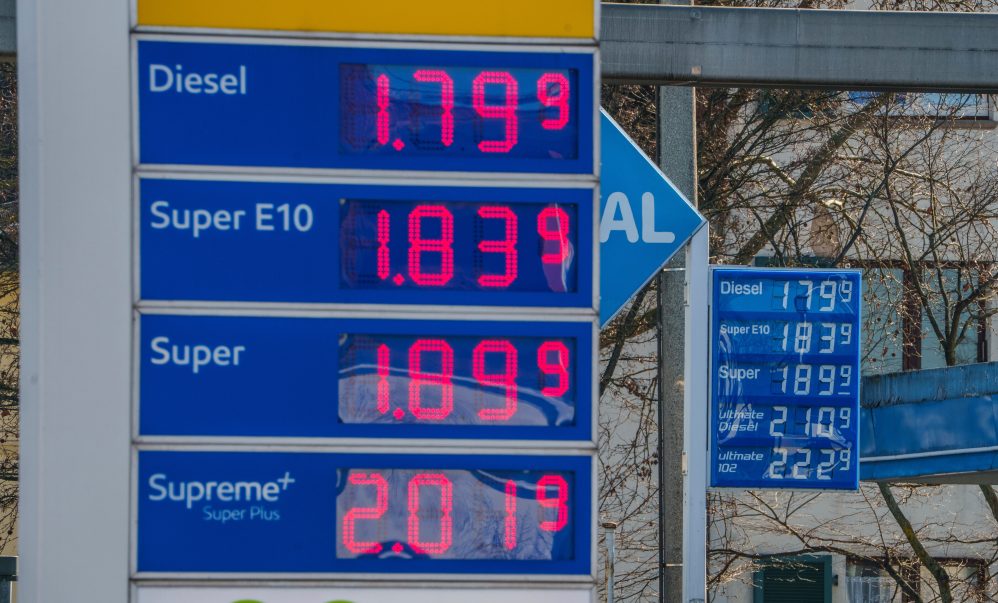
The price jumps could translate into more expensive fuel costs for Delaware motorists and higher prices for consumer goods during a period when inflation continues to impact household budgets across the nation.
Market analysts focused heavily on developments surrounding the critical waterway at the Persian Gulf’s southern entrance, which handles approximately 20% of global petroleum shipments. Maritime data company Kpler reported via social media that vessel movements declined dramatically due to compromised satellite navigation technology, while Britain’s Maritime Trade Operations Centre documented multiple ship attacks in the surrounding waters and cautioned about increased electronic interference affecting vessel tracking systems.
Omani officials confirmed that an explosive drone vessel targeted a Marshall Islands-registered oil tanker in the Gulf of Oman Monday, resulting in one crew member’s death. Iranian forces have reportedly been targeting ships approaching the strategic waterway and are suspected of conducting numerous assaults.
Saudi Arabian officials announced they successfully intercepted Iranian drone strikes aimed at the Ras Tanura petroleum facility near Dammam, prompting a precautionary shutdown of the refinery, according to Saudi government media. Financial markets remain watchful for signs the hostilities might spread to additional oil-producing nations throughout the region.
Monday’s price surge fell within the $5-$10 per barrel increase that market experts anticipated based solely on conflict-related uncertainties. Some geopolitical risk factors had already influenced pricing before the current tensions began.
Extended interruptions to maritime traffic through the strait could drive prices significantly higher, as could infrastructure damage in other Gulf states. Conversely, a brief conflict with easily reversible disruptions might mean current price increases won’t persist long-term.