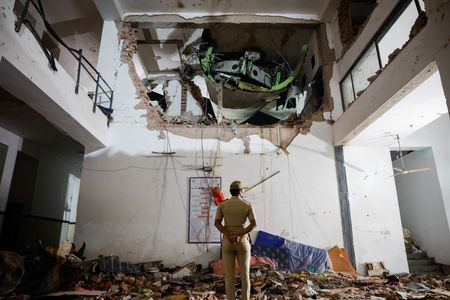

RAMALLAH, West Bank (AP) — Multiple ceasefire agreements have been declared with considerable publicity across Gaza, Lebanon and Iran. Yet military operations persist throughout these regions.
Over recent weeks, Israeli military units have seized additional territory in Gaza while eliminating two senior Hamas leaders and more than a dozen other individuals. In Lebanon, Israeli forces took control of a Crusader fortress during the weekend in what represents their furthest advance in 26 years, while Hezbollah continued launching rockets toward northern Israel.
Combat in Lebanon displayed no signs of diminishing Tuesday, following U.S. President Donald Trump’s announcement that both parties had committed once more to reducing tensions.
The United States and Iran have exchanged military strikes, including incidents on Monday, while attempting to negotiate a more permanent peace agreement. Iran continues controlling the Strait of Hormuz, sustaining a worldwide energy crisis, as the U.S. works to strengthen its maritime blockade of Iranian harbors.
While none of the combating factions have formally abandoned their ceasefire commitments, the concept is quickly becoming meaningless.
Trump promoted the October Gaza ceasefire as a significant diplomatic achievement that might lead to Middle Eastern stability. However, despite ending two years of comprehensive warfare and securing the freedom of all remaining captives from Hamas’ Oct. 7, 2023, assault, no additional advancement has occurred.
Hamas continues to maintain its weapons, while Israeli forces have moved forward instead of retreating. An international peacekeeping force remains absent, a replacement Palestinian government stays uncertain, and rebuilding the extensively destroyed region has not commenced.
Hundreds of thousands of Palestinians continue living in deplorable temporary shelters, enduring sewage odors and rodent problems, while fearing Israeli military strikes.
The U.S. and Israel hold Hamas responsible, claiming its unwillingness to surrender weapons has delayed progress. Hamas charges Israel with repeatedly breaking the ceasefire, including through consistent strikes that have resulted in at least 932 Palestinian deaths, including women and children, since implementation, according to local medical authorities.
Throughout Gaza and Lebanon, Israel maintains it reserves the authority to attack when facing perceived dangers or when suspected fighters attempt to cross sometimes unclear battle lines — boundaries that shift as forces capture additional ground.
Israel currently occupies approximately 60% of Gaza, up from roughly half when the ceasefire was established, and Prime Minister Benjamin Netanyahu recently announced plans to capture more territory.
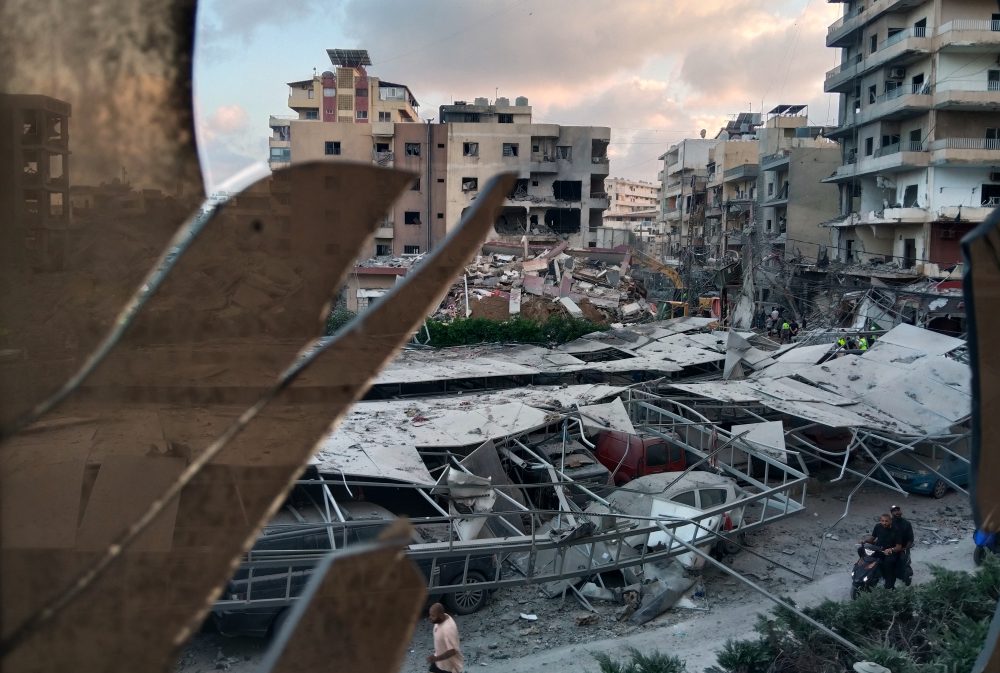
A Lebanon ceasefire established in April has minimally affected combat between Israel and the Iran-supported Hezbollah, especially in southern Lebanon, where they continue exchanging fire as Israel expands its control of Lebanese land.
During the weekend, Israeli forces planted their flag atop Beaufort castle, representing their furthest penetration into southern Lebanon since concluding the 1982-2000 occupation. Hezbollah retaliated with extended rocket strikes into northern Israel.
Israel had maintained conducting attacks following an earlier 2024 ceasefire. Hezbollah had stopped firing until the U.S. and Israel struck Iran on Feb. 28, triggering the broader conflict. Hezbollah never formally endorsed the April ceasefire but promised compliance if Israel stopped its attacks and departed Lebanon.
Israel declares it will continue military operations until rocket and drone threats against its northern communities are eliminated, either through its own efforts or by the Lebanese government disarming Hezbollah. This appears increasingly unlikely as fighting has intensified, despite ongoing Israeli-Lebanese talks.
Iran has simultaneously requested a Lebanon ceasefire as part of any agreement with the United States.
A broader ceasefire established in early April involving the U.S., Iran and Israel aimed to conclude the regional conflict and reopen the Strait of Hormuz, a vital shipping route whose blockade caused petroleum prices to surge, creating economic hardship well beyond the area.
Iran initially declared the strait’s reopening after the ceasefire agreement, but decided to close it again following the U.S. naval blockade implementation. Trump demands Iran reopen the waterway and make substantial compromises regarding its controversial nuclear program, while Iran seeks a permanent war conclusion, blockade removal and sanctions relief.
Both parties seemed near an agreement last week but failed to finalize one. Trump has consistently threatened to restart warfare if Iran doesn’t abandon its highly enriched uranium reserves, while Iranian representatives state they won’t discuss nuclear matters until achieving a more stable truce.
The parties have continuously exchanged attacks in the strait, with the U.S. responding to what it describes as threats to commercial vessels or its own personnel, and Iran retaliating with missile and drone strikes on Gulf nations hosting American troops.
On Monday, the U.S. reported bombing radar and drone facilities in Iran after Tehran destroyed an American drone over the weekend. Iran subsequently claimed it attacked American personnel in Kuwait with missiles, which the U.S. says it intercepted.
In a statement published on X, U.S. Central Command declared it “will continue to protect our forces from Iranian aggression while supporting the ongoing ceasefire.”